Officials in Mexico have assured that ongoing cartel violence will not disrupt the upcoming World Cup venues, a statement met with cautious optimism. As the tournament approaches in 2026, the Mexican government is keen to showcase its ability to host international events despite security concerns.
Cartel Violence: A Persistent Challenge for Mexico
Violence linked to drug cartels has been an enduring issue in Mexico, with reports of bloodshed surfacing frequently. In recent months, clashes among rival gangs have intensified, raising alarms about safety for both locals and tourists. Officials have promised enhanced security measures, stating that they are committed to ensuring a safe environment for visitors during the World Cup.
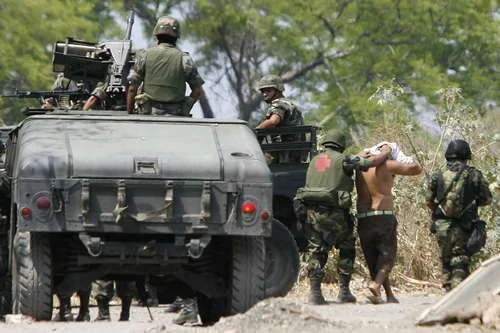
This commitment is significant not only for the tournament but also for Mexico's broader image on the global stage. The World Cup presents an opportunity for Mexico to showcase its culture and hospitality, crucial elements in attracting tourism and investment.
Potential Economic Benefits and Development Opportunities
The World Cup is projected to generate substantial economic benefits for Mexico, particularly in the sectors of tourism, hospitality, and infrastructure development. Officials have estimated that the tournament could bring in an influx of around $2 billion, a much-needed boost for an economy still recovering from the impacts of the COVID-19 pandemic.
Investment in infrastructure is critical for this event. Improving transport networks, enhancing stadium facilities, and upgrading public services can leave a lasting legacy. However, these developments must be balanced against the pressing need for governance reforms to ensure that the benefits reach the wider population.
Governance and Security: Key to Stability
The Mexican government faces a dual challenge: combating cartel violence while simultaneously fostering a stable environment for development. Officials have explained that a robust security strategy is vital for the success of the World Cup and future events. Striking a balance between security and civil liberties will be crucial in maintaining public trust.
Effective governance is intertwined with economic growth and development in Mexico. As officials outline their strategies, they must address corruption and strengthen the rule of law to ensure that investments translate into tangible benefits for citizens.
Lessons for Africa: Education, Health, and Infrastructure
While the situation in Mexico may differ from challenges faced in Africa, there are pertinent lessons to draw. African nations often grapple with similar issues of governance, health, and infrastructure that can hinder development. Effective management of large-scale events could serve as a model for African nations aiming to host international sporting events.
Investment in education and health systems is also crucial. As seen in Mexico, the success of large events can lead to improvements in infrastructure that benefit broader society. African nations should leverage international attention to advocate for investments that promote long-term development goals.
What to Watch For: Future Developments in Mexico
As the World Cup approaches, all eyes will be on Mexico to see how effectively it can address security concerns while showcasing its cultural heritage. Officials have reiterated their commitment to ensuring safety, but the real test will be in implementation. Success in this endeavour could pave the way for future international events in the region.
The situation in Mexico provides a dual lens; while the impending World Cup presents opportunities for economic growth, it also highlights the pressing need for governance reforms and infrastructure investment. For African nations, the unfolding events may offer insights into managing international expectations amidst domestic challenges.
Frequently Asked Questions
What is the latest news about officials assure world cup venues safe amid mexican cartel violence?
Officials in Mexico have assured that ongoing cartel violence will not disrupt the upcoming World Cup venues, a statement met with cautious optimism.
Why does this matter for economy-business?
In recent months, clashes among rival gangs have intensified, raising alarms about safety for both locals and tourists.
What are the key facts about officials assure world cup venues safe amid mexican cartel violence?
The World Cup presents an opportunity for Mexico to showcase its culture and hospitality, crucial elements in attracting tourism and investment.Potential Economic Benefits and Development OpportunitiesThe World Cup is projected to generate substantia
African nations should leverage international attention to advocate for investments that promote long-term development goals.What to Watch For: Future Developments in MexicoAs the World Cup approaches, all eyes will be on Mexico to see how effectively it can address security concerns while showcasing its cultural heritage. Success in this endeavour could pave the way for future international events in the region.The situation in Mexico provides a dual lens; while the impending World Cup presents opportunities for economic growth, it also highlights the pressing need for governance reforms and infrastructure investment.