In a bold turnaround, the motorcycle industry is set to achieve record exports in 2025, following a policy reversal that has reignited growth in this vital sector. This surge comes as countries across Africa, including Nigeria, grapple with economic challenges and seek new avenues for development.
Record Exports: A New Milestone for the Motorcycle Sector
The motorcycle industry is gearing up for unprecedented growth, with export figures projected to hit an all-time high in 2025. This shift follows a strategic policy change aimed at boosting local manufacturing and reducing dependence on imports. Industry experts report that numerous countries have refocused their efforts on enhancing production capabilities, leading to this remarkable upswing.
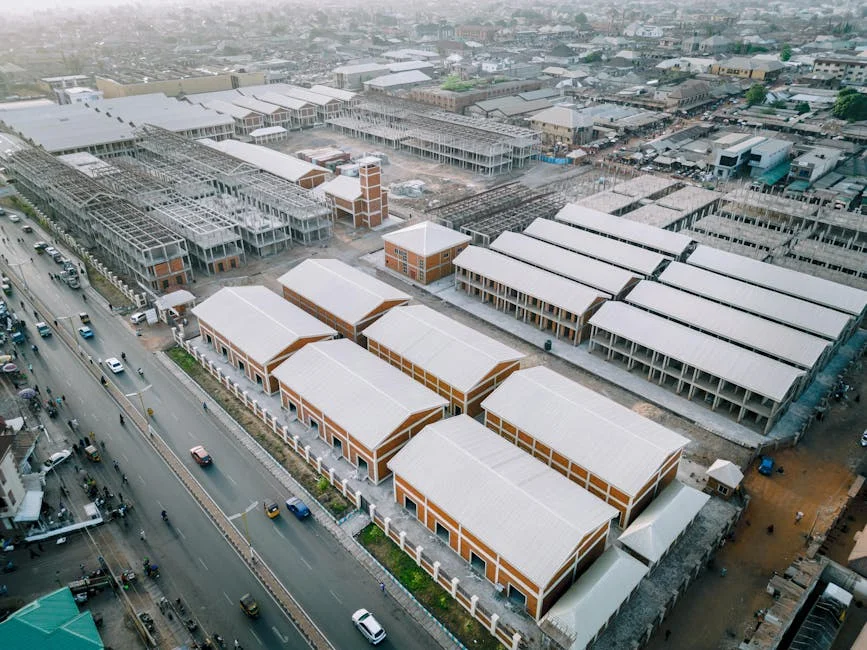
Nigeria's Response: Embracing Opportunities Amidst Challenges
Nigeria, a key player in the African motorcycle market, has been particularly proactive in leveraging this newfound momentum. The government is actively encouraging local assembly plants and partnerships with international manufacturers. This move aligns with Nigeria's broader development goals, particularly in terms of economic growth and job creation.
However, challenges persist. The nation faces infrastructural deficits and regulatory hurdles that can hinder full realisation of this potential. For instance, inadequate road networks and inconsistent power supply remain significant obstacles that must be addressed to fully capitalize on the motorcycle export boom.
Health and Mobility: The Role of Motorcycles in African Development
Beyond economic figures, motorcycles play a crucial role in improving health and mobility across the continent. In Nigeria, motorcycles are essential for last-mile delivery of medical supplies and services, particularly in rural areas where access to healthcare remains limited. This is vital for achieving health-related Sustainable Development Goals, which aim to enhance access to health services in underserved regions.
Education and Governance: The Broader Implications of Growth
The burgeoning motorcycle industry also intersects with educational initiatives. As exports rise, there is potential for vocational training programmes to be deployed, equipping the youth with essential skills in assembly, maintenance, and repair. This not only addresses unemployment but also supports governance efforts to create a more skilled workforce.
Looking Ahead: What This Means for Nigeria and Beyond
As the motorcycle industry gears up for record exports, the implications for Nigeria and other African nations are profound. The momentum could foster economic resilience and stimulate infrastructural investments. Yet, careful monitoring of policy implementation and infrastructural development will be crucial in ensuring that this opportunity translates into sustained growth.
Observers should watch for developments in regulatory frameworks and investment strategies, as these will significantly shape the trajectory of the industry. In the quest for development, the success of the motorcycle sector could serve as a model for other industries aiming to harness local resources for continental growth.
For instance, inadequate road networks and inconsistent power supply remain significant obstacles that must be addressed to fully capitalize on the motorcycle export boom.Health and Mobility: The Role of Motorcycles in African DevelopmentBeyond economic figures, motorcycles play a crucial role in improving health and mobility across the continent. Yet, careful monitoring of policy implementation and infrastructural development will be crucial in ensuring that this opportunity translates into sustained growth.Observers should watch for developments in regulatory frameworks and investment strategies, as these will significantly shape the trajectory of the industry.