In a significant move to bolster development aid, Canada has announced a $3.3 million funding package for Mozambique, aimed at addressing pressing challenges in health, education, and infrastructure. This announcement was made on October 20, 2023, during a bilateral meeting between Canadian officials and representatives from Mozambique in Maputo, highlighting Canada's commitment to African development goals.
Investment Focused on Health and Education
The funds will primarily target health and education sectors, which have faced severe setbacks due to the COVID-19 pandemic and ongoing socio-economic challenges. With a large portion of the population living in poverty, improving access to quality healthcare and education is crucial for Mozambique's long-term development.
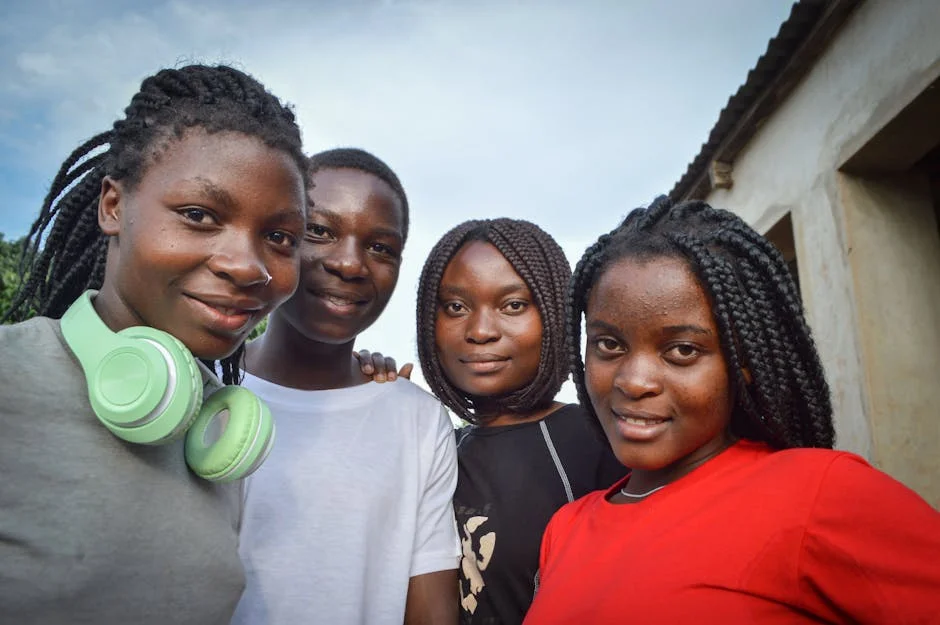
Canadian Minister of International Development Harjit Sajjan emphasised the importance of addressing these areas, stating, "Investing in health and education is not just a humanitarian effort; it is an investment in the future of Mozambique. We believe that these sectors are foundational to achieving sustainable economic growth and reducing inequalities." This funding is expected to support initiatives that enhance maternal and child health, as well as increase school enrolment and retention rates.
Infrastructure Development: A Pillar of Growth
In addition to health and education, the Canadian funding will also contribute to infrastructure projects, particularly in rural areas where access to essential services is limited. Mozambique's infrastructure has long been a barrier to economic development, with inadequate roads and utilities hindering trade and access to markets.
By improving infrastructure, the Canadian aid aims to facilitate economic activities and attract further investment. The Canadian government has indicated that it may also assist in technological upgrades, which could modernise existing facilities and enhance service delivery.
Aligning with African Development Goals
This financial commitment aligns with several key African development goals, particularly the African Union's Agenda 2063, which aims for inclusive growth and sustainable development across the continent. Mozambique faces challenges such as climate change, which exacerbates food insecurity and health crises. The funding represents an opportunity not only to address immediate needs but also to build resilience against future shocks.
Moreover, this initiative is part of a broader trend of increasing international support for African countries aiming to meet the United Nations Sustainable Development Goals (SDGs). By focusing on health, education, and infrastructure, Canada is directly contributing to the SDG targets of ensuring healthy lives and promoting well-being for all, as well as providing quality education and fostering inclusive economic growth.
Potential Impact on Nigeria and Other African Nations
While Mozambique is the immediate beneficiary of this funding, the implications of Canada's investment could resonate across Africa, including Nigeria. As Nigeria grapples with its own developmental challenges, including health crises and infrastructure deficits, the success of projects funded by Canada in Mozambique could serve as a model for similar initiatives in other African nations.
As countries observe the impacts of international aid, there is potential for collaborative efforts to emerge, fostering a pan-African approach to tackling shared challenges. Additionally, successful outcomes in Mozambique could prompt increased foreign investment in the region, benefiting economies like Nigeria's that are striving for economic recovery and growth.
Looking Ahead: Monitoring Progress and Outcomes
As this funding unfolds, it will be crucial for stakeholders to monitor its effectiveness and ensure that the aid reaches those who need it most. The Canadian government has committed to transparency and accountability, with plans for regular updates on the progress of funded projects.
In conclusion, Canada's $3.3 million contribution to Mozambique is a strategic investment in the continent's future, aligning with broader African development goals and addressing essential areas such as health, education, and infrastructure. The ripple effects of this support could not only uplift Mozambique but also inspire a collaborative spirit among African nations working towards a shared vision of sustainable development.
As Nigeria grapples with its own developmental challenges, including health crises and infrastructure deficits, the success of projects funded by Canada in Mozambique could serve as a model for similar initiatives in other African nations.As countries observe the impacts of international aid, there is potential for collaborative efforts to emerge, fostering a pan-African approach to tackling shared challenges. The funding represents an opportunity not only to address immediate needs but also to build resilience against future shocks.Moreover, this initiative is part of a broader trend of increasing international support for African countries aiming to meet the United Nations Sustainable Development Goals (SDGs).