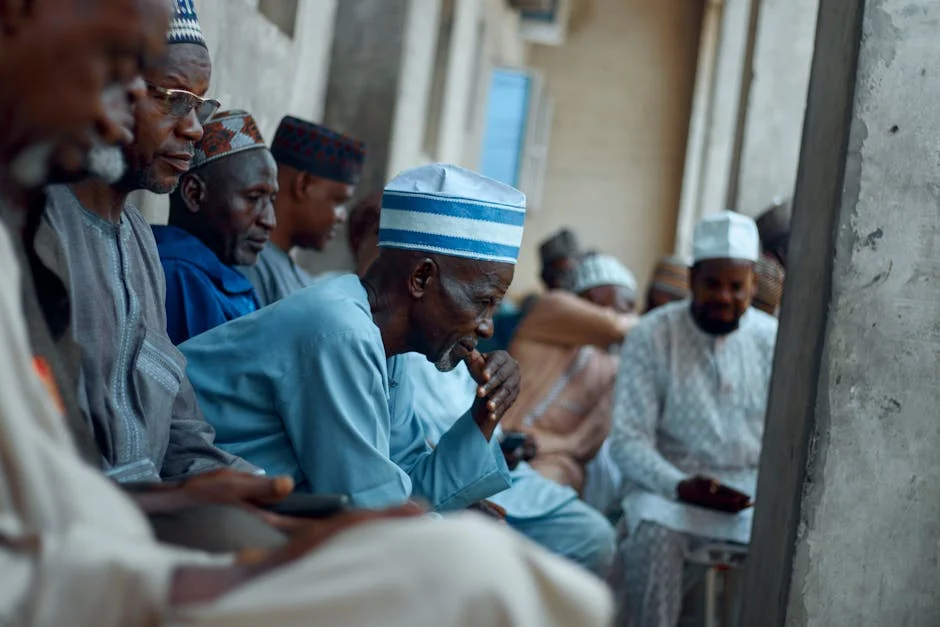
In Nigeria, the juxtaposition of a lavish wedding amidst escalating violence has sparked outrage and concern. The recent nuptials of a prominent figure in Abuja have drawn attention not just for their extravagance but also for the stark contrast to the grim realities faced by many Nigerians, particularly in the northern regions.
Context and Background
Nigeria has been grappling with severe security challenges, particularly in the northern states where violence from insurgent groups, banditry, and ethnic clashes have become endemic. The conflict has resulted in significant displacement, loss of life, and widespread fear, undermining the country's development goals. Amidst this turmoil, Abuja, the nation’s capital, remains a hub of political power and often starkly contrasts the struggles faced by its peripheral regions. The lavish wedding that has caught public attention exemplifies this dissonance, raising critical questions about governance and accountability in a nation that aspires to achieve the Sustainable Development Goals (SDGs).

Key Developments
The wedding of prominent politician Bello Matawalle, which took place in February in Abuja, was marked by opulence and a guest list that included influential political figures and celebrities. However, as news broke of the continuing violence in the northern states, particularly in areas like Zamfara and Kaduna, critics pointed out the “terrible optics” of celebrating such wealth while many suffer from the consequences of insecurity and poverty. The public reaction to the event has highlighted a growing frustration regarding political priorities in Nigeria.
Details and Evidence
The event was attended by numerous dignitaries, drawing media attention away from the ongoing humanitarian crisis gripping large swathes of the country. Data from the Internal Displacement Monitoring Centre shows that over three million Nigerians are currently displaced due to violence. This stark contrast between celebratory events and the harsh realities of many citizens has stoked criticism from civil society groups and the general populace, who argue that political leaders are disconnected from the suffering of their constituents.
Analysis: African development and pan-African perspective
This situation encapsulates the broader challenges facing Nigeria and, indeed, the African continent in striving for development. The increasing wealth disparity and lack of infrastructure, health services, and educational opportunities in conflict-affected areas impede the continent's development goals. The optics of such celebrations amidst widespread suffering raise questions about governance and the responsibility of leaders to address the needs of all citizens, particularly in regions plagued by violence. From an en-NG perspective, this highlights the urgent need for a pan-African dialogue on governance and socio-economic equity, which is essential for sustainable growth.
Impact and Implications
The fallout from the wedding incident may have far-reaching implications for political leaders in Nigeria. Growing public discontent could translate into pressure for reforms and accountability, particularly as the country prepares for upcoming elections. Citizens are increasingly aware of the disconnect between their realities and the actions of their leaders, and this could lead to significant shifts in political engagement and public expectations. Moreover, the situation reaffirms the need for a collective response to security challenges that transcend regional boundaries, fostering a sense of shared responsibility among African nations.
Outlook
Looking ahead, analysts suggest that the Nigerian government must address the security crisis more robustly to regain public trust and reaffirm its commitment to development. Observers will be watching closely to see how political leaders respond to the criticisms stemming from the wedding, particularly as calls for social justice and equity amplify. As Nigeria continues to navigate its complex political landscape, the intersection of governance, public perception, and development goals will remain a crucial area of focus. The international community, especially other African nations, may also look to Nigeria’s response as a case study in balancing celebration with responsibility in the pursuit of sustainable development.
From an en-NG perspective, this highlights the urgent need for a pan-African dialogue on governance and socio-economic equity, which is essential for sustainable growth.Impact and ImplicationsThe fallout from the wedding incident may have far-reaching implications for political leaders in Nigeria. Moreover, the situation reaffirms the need for a collective response to security challenges that transcend regional boundaries, fostering a sense of shared responsibility among African nations.OutlookLooking ahead, analysts suggest that the Nigerian government must address the security crisis more robustly to regain public trust and reaffirm its commitment to development.