Lead paragraph: The ongoing crisis in South Sudan has escalated since its independence in 2011, marked by civil conflict, economic turmoil, and humanitarian crises. As the newest nation in Africa grapples with these challenges, the implications for the continent's development goals are significant.
Context and Background
South Sudan gained independence from Sudan in July 2011, heralding hopes for peace and prosperity after decades of conflict. However, internal strife erupted in December 2013 when political tensions led to violence between factions loyal to President Salva Kiir and former Vice President Riek Machar. Since then, the country has been embroiled in a brutal civil war, resulting in widespread displacement, food insecurity, and a collapse of essential services. This context is critical to understanding the current challenges faced by South Sudan.
Key Developments
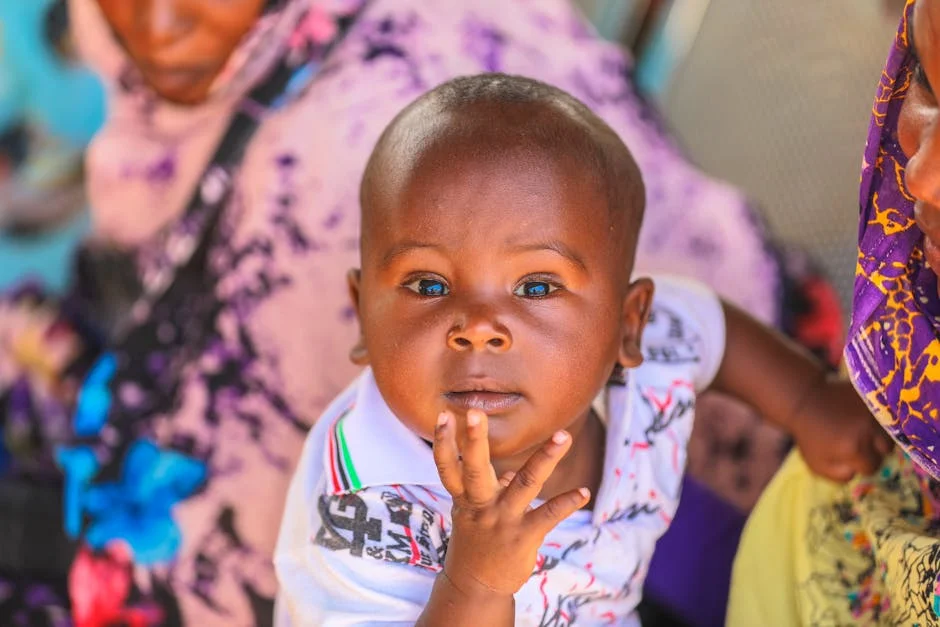
In recent months, the situation in South Sudan remains dire. Despite a peace agreement signed in 2018, sporadic violence continues to plague various regions, undermining efforts towards stability and recovery. The humanitarian crisis has worsened, with nearly 8 million people—over half the population—requiring urgent assistance. Additionally, economic conditions have deteriorated, exacerbated by the COVID-19 pandemic and ongoing conflict.
Details and Evidence
According to the United Nations, around 1.9 million people are displaced within South Sudan, while more than 2 million have sought refuge in neighbouring countries. Food insecurity has become a pressing issue, with an estimated 60% of the population facing severe hunger. The World Bank reports that the country’s GDP contracted by 2% in 2022, following a further decline in 2023, showcasing the urgent need for economic recovery and infrastructure development.
Analysis: African development and pan-African perspective
The crisis in South Sudan directly relates to broader African development goals, particularly the African Union’s Agenda 2063, which aims for a prosperous continent driven by inclusive growth and sustainable development. The ongoing instability not only hampers South Sudan's progress but also poses challenges for regional stability in East Africa. Governance issues, including corruption and lack of accountability, further complicate the landscape, hindering effective implementation of development initiatives.
Impact and Implications
The consequences of the crisis extend beyond South Sudan's borders, affecting neighbouring countries through increased refugee flows and regional instability. The humanitarian situation calls for urgent international attention; failure to address it could lead to further conflicts and a humanitarian disaster. Moreover, the crisis poses significant challenges to achieving continental development goals, as instability in one nation can disrupt regional cooperation and economic integration.
Outlook
Looking ahead, experts suggest that a multi-faceted approach is necessary to address the challenges facing South Sudan. Continued diplomatic efforts, alongside increased humanitarian aid and economic support, will be crucial in fostering stability. As the international community and regional partners engage with South Sudan, it is essential to monitor progress towards peace and development, as well as the implications for broader regional dynamics. The upcoming elections, tentatively scheduled for 2024, may provide an opportunity for political renewal if conducted transparently and inclusively.
Moreover, the crisis poses significant challenges to achieving continental development goals, as instability in one nation can disrupt regional cooperation and economic integration.OutlookLooking ahead, experts suggest that a multi-faceted approach is necessary to address the challenges facing South Sudan. The World Bank reports that the country’s GDP contracted by 2% in 2022, following a further decline in 2023, showcasing the urgent need for economic recovery and infrastructure development.Analysis: African development and pan-African perspectiveThe crisis in South Sudan directly relates to broader African development goals, particularly the African Union’s Agenda 2063, which aims for a prosperous continent driven by inclusive growth and sustainable development.