Lead paragraph: In Gaza, residents are observing Ramadan under dire conditions marked by severe food shortages. The holy month, which is typically characterised by communal feasting and charity, is overshadowed this year by economic challenges exacerbated by ongoing conflict and blockades.
Context and Background
Gaza, a territory beset by conflict and economic instability, has been under a blockade since 2007, leading to restricted access to essential goods, including food. The Palestinian Authority and various humanitarian organisations provide assistance, but it often falls short of meeting the needs of the population, especially during significant occasions like Ramadan. This period is crucial as it emphasizes community, sharing, and charity, but the harsh realities have made it increasingly difficult for families to observe traditions.
Key Developments
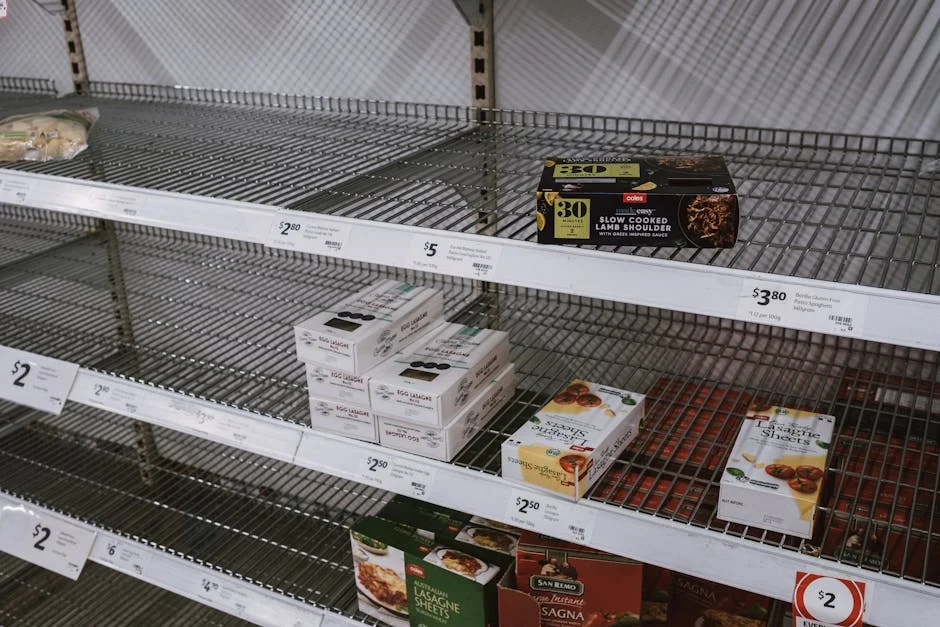
This Ramadan, Gazans report significant shortages of staple food items, including flour and cooking oils. The price of basic commodities has skyrocketed, limiting families' ability to enjoy the customary Iftar meals after daily fasting. A recent survey indicated that over 60% of families in Gaza have reduced their food intake during this month, leaving many to question the sustainability of their current livelihoods.
Details and Evidence
According to the United Nations Relief and Works Agency (UNRWA), food insecurity affects approximately 1.5 million people in Gaza, with many relying on food assistance for survival. Reports show that the cost of basic food items has increased by nearly 40% compared to last year, a worrying trend that threatens to spiral further as conflict continues. Local markets are struggling, with many vendors unable to stock sufficient inventory due to supply chain disruptions.
Analysis: African development and pan-African perspective
The situation in Gaza may seem geographically distant from Africa's broader development goals, yet it reflects similar challenges faced across the continent. Food insecurity, exacerbated by conflict and poor governance, is a pressing issue in many African nations. The African Union's Agenda 2063 aims to achieve food security through agricultural development and improved infrastructure, but when countries are marred by political instability, progress is severely hindered. Furthermore, the plight of Gazans during Ramadan highlights the need for solidarity across African nations to address humanitarian crises and promote sustainable development.
Impact and Implications
The continuing food shortages in Gaza during Ramadan have far-reaching implications, not just for the residents but for regional stability and international humanitarian efforts. The international community must pay attention to the situation, as prolonged suffering could lead to increased tensions and unrest in an already volatile region. Additionally, this crisis serves as a reminder for African nations to bolster their food systems and governance structures to avoid similar scenarios. Countries that invest in sustainable agriculture and infrastructure are better positioned to withstand shocks and ensure their populations' food security.
Outlook
Looking ahead, experts suggest that without significant humanitarian intervention and a resolution to the ongoing conflict, the situation will likely deteriorate further. As the world watches the developments in Gaza, it is essential for African nations to learn from these challenges. Strengthening regional cooperation and investing in infrastructure to enhance food security should be a top priority. As Ramadan progresses, the international community must rally to offer support and ensure that all residents, regardless of their location, can observe this sacred month with dignity, food, and hope for a better future.
Frequently Asked Questions
What is the latest news about gaza residents face food shortages during ramadan a broader perspective?
Lead paragraph: In Gaza, residents are observing Ramadan under dire conditions marked by severe food shortages.
Why does this matter for politics-governance?
The Palestinian Authority and various humanitarian organisations provide assistance, but it often falls short of meeting the needs of the population, especially during significant occasions like Ramadan.
What are the key facts about gaza residents face food shortages during ramadan a broader perspective?
The price of basic commodities has skyrocketed, limiting families' ability to enjoy the customary Iftar meals after daily fasting.
Countries that invest in sustainable agriculture and infrastructure are better positioned to withstand shocks and ensure their populations' food security.OutlookLooking ahead, experts suggest that without significant humanitarian intervention and a resolution to the ongoing conflict, the situation will likely deteriorate further. Furthermore, the plight of Gazans during Ramadan highlights the need for solidarity across African nations to address humanitarian crises and promote sustainable development.Impact and ImplicationsThe continuing food shortages in Gaza during Ramadan have far-reaching implications, not just for the residents but for regional stability and international humanitarian efforts.