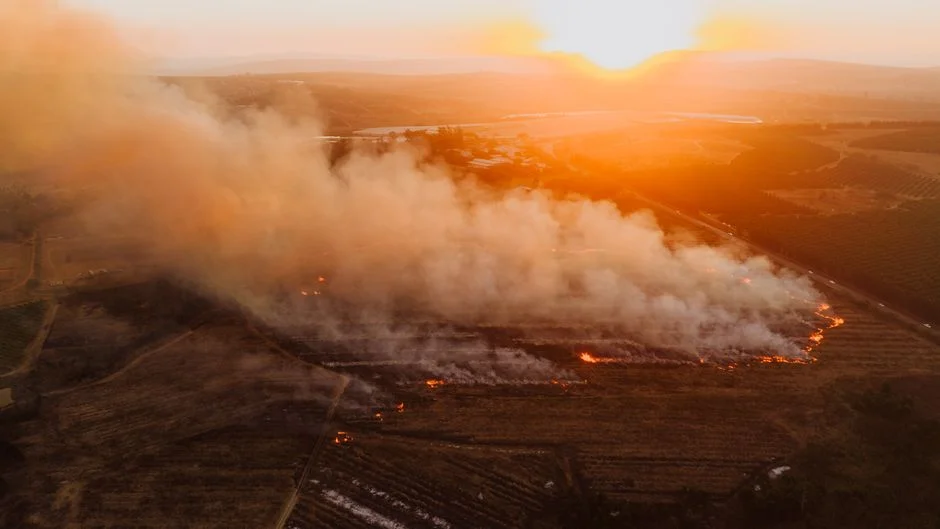
Twelve people have died and dozens more are injured as wildfires continue to tear through the northeastern regions of Algeria, disrupting daily life and exposing the vulnerability of the country's infrastructure to extreme weather. The blaze has consumed thousands of hectares of forest and scrubland, forcing thousands of residents to evacuate their homes and straining local emergency services that are already dealing with the logistical challenges of a rapidly spreading fire.
Immediate Response and Regional Impact
The Algerian government has deployed military units and civil protection forces to contain the fire, which has spread rapidly due to high winds and dry conditions. Local authorities report that the fire has affected multiple wilayas, or provinces, in the northeast, creating a complex emergency that requires coordination between different levels of government. The death toll has risen steadily as rescue teams gain access to remote areas where the fire was most intense. Dozens of people have been treated for respiratory issues and burns, with many more expected to require medical attention in the coming days.
The immediate stakes for Algeria are clear: the loss of life and property is only the beginning of a longer struggle to restore normalcy. The fire has damaged critical infrastructure, including roads and power lines, which has complicated rescue efforts and delayed the arrival of aid in some communities. The government has announced that it will provide financial assistance to those who have lost their homes or livelihoods, but the scale of the damage suggests that recovery will take months, if not years, in the most affected areas.
Infrastructure Strain and Resource Allocation
The Algerian military has played a key role in the response, using helicopters to drop water on the fire and transport injured civilians to hospitals. This reliance on military assets highlights the scale of the disaster and the limited capacity of civilian emergency services to handle such a large-scale event. The government has also requested international assistance, signaling that the domestic resources may not be sufficient to manage the crisis alone. This request for aid underscores the growing pressure on Algeria's emergency response systems as climate-related disasters become more frequent.
The economic impact of the fire is already being felt in the region. Farmers and landowners who have lost crops or livestock are facing immediate financial hardship, while the disruption to transportation routes is affecting the movement of goods and services. The government has promised to compensate those affected, but the process of determining eligibility and distributing funds will likely be slow and bureaucratic. This delay could exacerbate the financial distress for those who are already struggling to recover.
The fire has also had a significant environmental impact, destroying large areas of forest and scrubland that are important for biodiversity. The loss of these ecosystems could have long-term consequences for the region's climate and weather patterns, as forests play a crucial role in regulating temperature and humidity. The government has pledged to replant trees in the affected areas, but the success of this effort will depend on adequate funding and effective management.
In addition to the immediate human and economic costs, the fire has raised questions about the adequacy of Algeria's disaster preparedness. Critics argue that the government has been slow to invest in early warning systems and fire prevention measures, leaving communities vulnerable to such disasters. The government has responded by promising a review of its emergency response protocols, but it remains to be seen whether this will lead to meaningful changes in how Algeria manages future crises.
Regional Context and Cross-Border Implications
The wildfires in Algeria are not an isolated event; they are part of a broader trend of increasing fire activity across North Africa and the Sahel region. Climate change is driving higher temperatures and longer dry seasons, which are creating conditions that are favorable for fires. This trend is likely to continue in the coming years, putting pressure on governments in the region to adapt their infrastructure and emergency response systems to cope with more frequent and intense disasters.
The impact of the fire is not limited to Algeria; it is also affecting neighboring countries, particularly Tunisia and Libya, which are experiencing similar weather conditions. The smoke from the fire has drifted into these countries, affecting air quality and public health. This cross-border impact highlights the need for regional cooperation in managing disasters, as no single country can effectively address the challenges posed by climate change in isolation.
The Algerian government has initiated talks with its neighbors to discuss a coordinated response to the fire, including the sharing of resources and information. This effort is part of a broader push for regional integration in North Africa, which has been gaining momentum in recent years. The success of this initiative could serve as a model for other regions facing similar challenges, demonstrating the benefits of collaboration in managing cross-border crises.
The fire has also had implications for Algeria's energy sector, as the disruption to infrastructure has affected the production and distribution of oil and gas. Algeria is a major exporter of natural gas, and any disruption to its production capacity could have global implications for energy prices. The government has assured consumers that the supply of energy will not be significantly affected, but the long-term impact of the fire on the energy sector remains uncertain.
Background and Competing Views on Governance
The wildfires in Algeria are a stark reminder of the country's vulnerability to climate change, which has been accelerating in recent decades. Algeria has experienced a series of extreme weather events in the past few years, including floods, droughts, and heatwaves, all of which have had significant impacts on the population and the economy. The government has been criticized for its slow response to these events, with many citizens feeling that the state is ill-prepared to handle the challenges posed by a changing climate.
The political implications of the fire are significant, as the government's handling of the crisis could affect its popularity in the upcoming elections. The opposition has already begun to criticize the government's response, accusing it of mismanagement and lack of transparency. The government has responded by highlighting its efforts to contain the fire and provide assistance to those affected, but it remains to be seen whether this will be enough to win back public support.
Economic Shifts and Resource Management
The fire has also highlighted the importance of resource management in Algeria, particularly in the agricultural sector. Agriculture is a key component of the economy, and the loss of crops and livestock could have a significant impact on food security. The government has promised to provide support to farmers, but the scale of the support will depend on the extent of the damage and the availability of resources.
The government's response to the fire has also raised questions about the efficiency of its public spending. Critics argue that the government has been slow to invest in infrastructure that could help prevent or mitigate the impact of fires, such as firebreaks and early warning systems. The government has responded by promising to review its spending priorities, but it remains to be seen whether this will lead to meaningful changes in how resources are allocated.
The fire has also had an impact on Algeria's tourism industry, as the smoke and ash from the fire have made some tourist destinations less attractive. Tourism is a growing sector in Algeria, and any disruption to this industry could have significant economic consequences. The government has promised to support the tourism industry, but the long-term impact of the fire on this sector remains uncertain.
The government's handling of the fire has also been influenced by its broader economic policies, particularly its efforts to diversify the economy away from oil and gas. The fire has highlighted the need for investment in other sectors, such as agriculture and tourism, which could help to reduce Algeria's dependence on hydrocarbons. The government has promised to accelerate this diversification, but the pace of change will depend on the availability of resources and the effectiveness of its policies.
Competing Views on Climate Policy
There are competing views on how Algeria should respond to the growing threat of wildfires. Some argue that the government should focus on immediate relief and recovery, providing financial assistance to those affected and rebuilding infrastructure. Others argue that the government should invest in long-term solutions, such as reforestation and the development of early warning systems, to prevent future fires.
The government has adopted a mixed approach, providing immediate relief while also announcing plans for long-term investment in infrastructure and climate adaptation. However, the success of this approach will depend on the government's ability to balance these competing priorities and ensure that resources are allocated effectively. The government has promised to be transparent in its spending, but it remains to be seen whether this will be the case in practice.
The fire has also raised questions about the role of international cooperation in addressing climate change in Algeria. The government has requested assistance from international partners, including the European Union and the United Nations, to help with the response and recovery. This request highlights the growing importance of international support in addressing climate-related disasters in Algeria, which may not have the resources to cope with such events on its own.
The government's response to the fire has also been influenced by its relationships with other countries in the region, particularly those that are also experiencing similar weather conditions. The government has initiated talks with its neighbors to discuss a coordinated response to the fire, which could lead to greater regional cooperation in managing climate-related disasters. This effort is part of a broader push for regional integration in North Africa, which has been gaining momentum in recent years.
Broader Implications and What Readers Should Watch Next
The wildfires in Algeria are a significant event that has immediate and long-term implications for the country and the region. The loss of life and property is a tragedy, but the fire also highlights the growing threat of climate change and the need for governments to adapt their infrastructure and emergency response systems to cope with more frequent and intense disasters. The government's handling of the crisis will be closely watched, as it could affect its popularity in the upcoming elections and its ability to manage future crises.
Monitoring the Recovery and Future Risks
Readers should watch the following key developments in the coming weeks and months:
- The allocation and distribution of government aid to those affected by the fire, particularly farmers and landowners who have lost their livelihoods.
- The progress of the government's review of its emergency response protocols and its plans for long-term investment in infrastructure and climate adaptation.
- The impact of the fire on Algeria's energy sector, particularly the production and distribution of oil and gas, and any global implications for energy prices.
- The outcome of the government's talks with its neighbors regarding a coordinated response to the fire and the potential for greater regional cooperation in managing climate-related disasters.
The fire has also raised questions about the adequacy of Algeria's disaster preparedness, and the government's response will be closely watched by international partners and domestic observers. The government has promised to be transparent in its spending and to provide regular updates on the situation, but it remains to be seen whether this will be the case in practice. The success of the government's response will depend on its ability to balance immediate relief with long-term investment and to ensure that resources are allocated effectively.
The fire has also had an impact on Algeria's social fabric, as communities have come together to support those affected by the disaster. This sense of solidarity could have long-term implications for social cohesion and political stability, as it could help to build trust between the government and the people. The government has promised to recognize and reward this solidarity, but it remains to be seen whether this will lead to meaningful changes in how the government interacts with its citizens.
The fire has also highlighted the importance of media coverage in shaping public perception of the crisis. The government has worked to control the narrative, but independent media outlets have provided valuable information and analysis that has helped to inform the public. The government's relationship with the media will be an important factor in its ability to manage the crisis and maintain public support.
As the fire continues to burn, the government faces the challenge of balancing immediate relief with long-term investment. The success of this effort will depend on the government's ability to manage its resources effectively and to ensure that the needs of those affected are met. The government has promised to be transparent and accountable, but it remains to be seen whether this will be the case in practice. The coming weeks and months will be critical in determining the long-term impact of the fire on Algeria and its people.
The wildfires in Algeria are a stark reminder of the growing threat of climate change and the need for governments to adapt their infrastructure and emergency response systems to cope with more frequent and intense disasters. The government's handling of the crisis will be closely watched, as it could affect its popularity in the upcoming elections and its ability to manage future crises. The success of the government's response will depend on its ability to balance immediate relief with long-term investment and to ensure that resources are allocated effectively. The coming weeks and months will be critical in determining the long-term impact of the fire on Algeria and its people.
What to Watch Next
The next few weeks will be crucial in determining the long-term impact of the fire on Algeria. The government has promised to provide regular updates on the situation, and readers should watch for these updates to gauge the effectiveness of the response. The government has also promised to conduct a review of its emergency response protocols, and readers should watch for the results of this review to see whether it will lead to meaningful changes in how Algeria manages future crises. The government's relationship with its neighbors will also be an important factor in the long-term management of the crisis, as regional cooperation could help to mitigate the impact of future disasters. The coming weeks and months will be critical in determining the long-term impact of the fire on Algeria and its people.
See Also
- Police Bust Kagiso Kidnappers — What It Means for Security
- South Africa Launches Tech Awards to Empower Women in Innovation
What is the latest news about algeria wildfire death toll hits 12 as northeast burns?
Why does this matter for economy-business?
What are the key facts about algeria wildfire death toll hits 12 as northeast burns?