Twenty-five personnel died when a Nigerian military aircraft crashed into a swamp, President Bola Tinubu confirmed as the nation enters a period of mourning. The president described the incident as a painful moment for the military and the entire country, marking a sudden loss for the armed forces.
Immediate Facts and Key Actors
The crash occurred in a swampy region, though specific coordinates remain unconfirmed in initial reports. The aircraft carried 25 individuals who perished in the incident. President Bola Tinubu has officially declared a period of mourning to honour the lives lost. His statement underscores the immediate emotional and institutional impact on the Nigerian military.
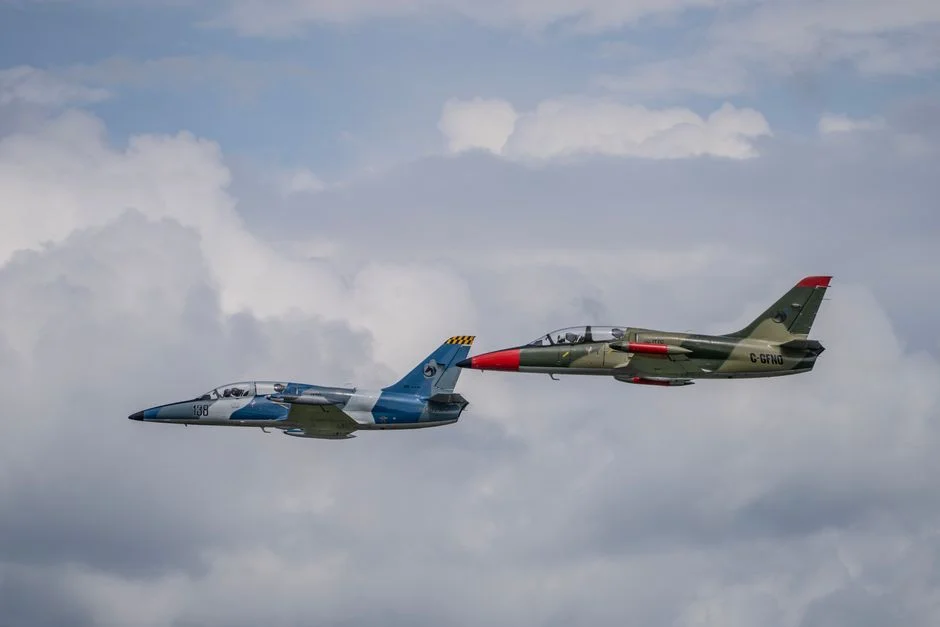
Tinubu’s description of the event as a "painful moment" highlights the personal toll on the armed forces. The military has yet to release detailed information regarding the flight’s origin, destination, or the specific cause of the crash. Authorities are likely to conduct an investigation to determine whether mechanical failure, weather conditions, or human error contributed to the accident.
The loss of 25 personnel represents a significant blow to the military’s operational capacity. These individuals were likely serving in various roles, from pilots to support staff. Their deaths will affect multiple units and families across Nigeria. The military’s ability to maintain morale and operational readiness will be tested in the coming weeks.
President Bola Tinubu’s involvement signals the high priority placed on this incident. As the head of state, his direct statement ensures that the event receives national attention. This level of presidential engagement often precedes official announcements regarding compensation for the families of the deceased or changes in military protocols.
Background and Why the Development Matters
Aircraft accidents are a recurring challenge for many military forces globally, but the specific circumstances in Nigeria warrant close attention. The Nigerian military operates a diverse fleet of aircraft, ranging from older models to newer acquisitions. The age and maintenance history of the specific plane involved remain unknown. However, infrastructure and maintenance standards are often scrutinized during such events.
The timing of this crash adds to the ongoing narrative of military operations in Nigeria. The armed forces are currently engaged in various security missions across the country. Losing 25 personnel in a single incident affects troop deployment and strategic planning. It also raises questions about the readiness of the air force to support ground operations.
President Bola Tinubu’s administration has been focused on modernizing the military. This incident serves as a reminder of the risks involved in active service. The government’s response will likely include a review of safety protocols. Such reviews could lead to changes in flight schedules, maintenance checks, or even the retirement of certain aircraft models.
The reaction from the public and political leaders will also be significant. Nigerians have a deep respect for the military, especially those serving in conflict zones. The mourning period will provide a moment for collective grief and solidarity. It also serves as a test of the government’s ability to manage national sentiment during crises.
Looking ahead, the military is expected to release a statement detailing the names of the deceased and their ranks. This information will be crucial for families and the broader community. The government may also announce a date for a national memorial service. These steps will help in the process of healing and recognition for the victims.
See Also
- Tinubu Declares Nigerian Waters Piracy-Free at Africa Summit
- Nigeria's Electricity Sector Faces Leadership Crisis — Reforms Needed Now