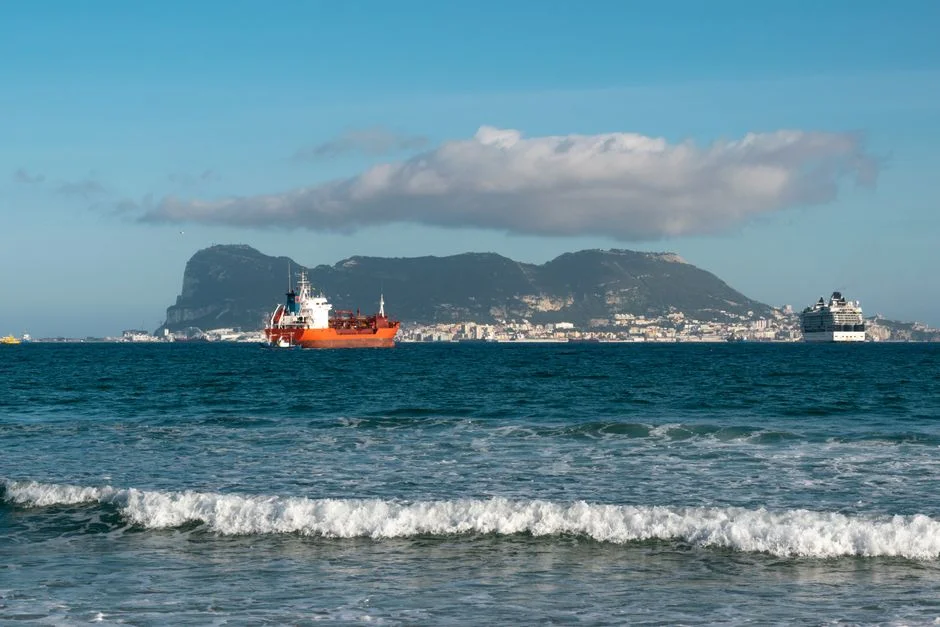
African leaders gathering in Mombasa this week called for the continent to take a more assertive role in global ocean governance, citing growing threats to maritime resources and billions of dollars in untapped economic potential along the continent's 30,000-kilometre coastline. The discussions came as several coastal nations face mounting pressure from overfishing, plastic pollution, and climate-driven changes to marine ecosystems.
The summit, hosted at the Kenyan coastal city, brought together environment ministers, fisheries officials, and ocean policy experts from across the region. Delegates emphasized that Africa currently captures only a fraction of the value generated by its maritime zones, despite controlling some of the world's most biodiverse marine environments.
Blue Economy Remains Largely Unrealised
Studies presented at the conference estimated that Africa's blue economy could generate more than $400 billion annually if properly developed. Yet many nations continue to rely on foreign fleets for their seafood exports, leaving significant revenue on the table. Kenyan officials highlighted how their own fishing industry has struggled to compete with industrial operations from Asia and Europe that hold licenses to operate in regional waters.
The problem extends beyond economics. Scientists at the gathering warned that fish stocks along the East African coast have declined by up to 30 percent over the past two decades. Coral reefs that once supported tourism and fisheries are bleaching at unprecedented rates, threatening the livelihoods of coastal communities from Tanzania to Mozambique.
Governance Gaps Undermine Regional Efforts
A major theme running through the discussions was the fragmented nature of ocean management across the continent. Unlike regional blocs such as the European Union, which operates a common fisheries policy, African nations largely manage their waters independently. This creates loopholes that allow overcapacity vessels to shift between jurisdictions when one country tightens its regulations.
Environmental groups present at the summit argued that stronger coordination could help. They pointed to the success of the Nairobi Convention, which has helped Western Indian Ocean states share data on maritime threats and coordinate marine protected area designations. Several speakers called for expanding similar frameworks across the Atlantic and Gulf of Guinea regions.
Foreign Fishing Deals Under Scrutiny
One of the most contentious issues involved bilateral fishing agreements that allow distant-water nations to operate in African exclusive economic zones. Critics say these deals often favour foreign interests, with some African governments receiving modest payments in exchange for access to resources that local fishers depend on for survival.
The Kenya Marine and Fisheries Institute presented data showing that communities in coastal Lamu County have seen catches fall sharply as larger vessels operate nearby. Local artisanal fishers reported earning less than half what they made a decade ago, forcing many to seek work in tourism or leave the coast entirely.
Delegates from Senegal and Ghana raised similar concerns about the Gulf of Guinea, where illegal, unreported, and unregulated fishing has been linked to annual losses exceeding $1 billion across West Africa. Several ministers pledged to review existing agreements and renegotiate terms that would require more processing and value addition to happen locally.
Climate Change Adds Urgency
Beyond fishing, climate change loomed large over the proceedings. Rising sea levels threaten coastal infrastructure and freshwater supplies in low-lying nations such as Mozambique and Nigeria's Niger Delta. Ocean acidification is damaging shellfish populations and the ecosystems that support commercial species.
Researchers from South Africa's oceanography institutes warned that warming waters are causing fish to migrate southward and deeper, disrupting traditional fishing patterns. For countries that depend heavily on marine protein, these shifts could worsen food security challenges already exacerbated by land-based agricultural constraints.
What Comes Next
The summit concluded with a declaration calling for accelerated implementation of the African Union's blue economy strategy, which was first adopted in 2012 but has seen uneven progress. Nations were urged to increase marine science funding, establish more marine protected areas, and develop domestic fishing fleets capable of operating in distant waters.
Kenya's Ministry of Blue Economy announced it would pilot a new licensing system designed to improve transparency around foreign fishing agreements. The country also committed to establishing three new marine sanctuaries along its coast by 2026. Regional observers will be watching to see whether these pledges translate into concrete action or remain aspirational.
For Nigeria and other West African nations, the outcome of these discussions carries direct implications. As Africa's most populous coastal state, Nigeria shapes regional standards on everything from oil industry pollution to maritime security. How Abuja responds to calls for stronger ocean governance could set the tone for the entire Gulf of Guinea region in coming years.
See Also
- Nigerian Fishing Festival Highlights Local Culture and Economic Potential: Pictures Inside
- South Africa's Realising Initiative Targets Sustainable Offshore Development
Delegates from Senegal and Ghana raised similar concerns about the Gulf of Guinea, where illegal, unreported, and unregulated fishing has been linked to annual losses exceeding $1 billion across West Africa. See AlsoNigerian Fishing Festival Highlights Local Culture and Economic Potential: Pictures InsideSouth Africa's Realising Initiative Targets Sustainable Offshore Development