Foreign ministers from Egypt, Turkey, Pakistan, and Saudi Arabia gathered in Cairo for high-level discussions on regional security, marking a notable diplomatic engagement among nations with complex geopolitical relationships. The meeting brought together senior diplomatic officials to address shared concerns across the Middle East and beyond.
Cairo Hosts Key Diplomatic Gathering
The Egyptian capital served as the venue for what officials described as a substantive exchange on regional challenges. Egypt, positioned as the host nation, welcomed counterparts from Turkey, Pakistan, and Saudi Arabia for talks that spanned multiple security dimensions. The four countries represent significant regional powers whose diplomatic alignments have shifted considerably over the past decade.
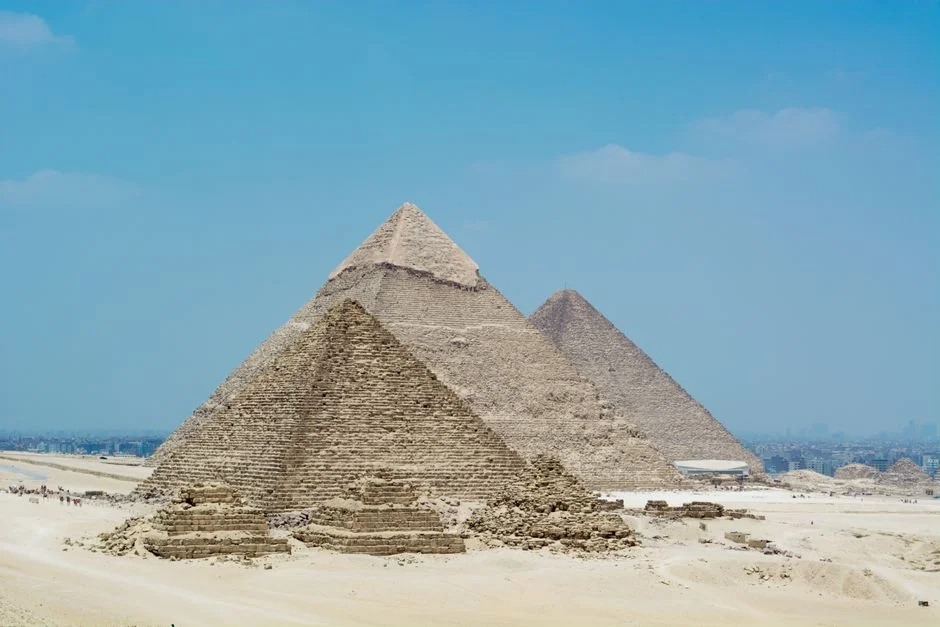
Egyptian officials emphasised the importance of direct dialogue among nations facing common challenges. The meeting reflected Cairo's sustained effort to position itself as a diplomatic hub for multilateral conversations on regional stability. The choice of Cairo reflected Egypt's strategic location and its longstanding role in Arab League affairs.
Agenda Covers Counter-Terrorism and Regional Tensions
Discussions centred on counter-terrorism cooperation, a priority for all four nations given varying security threats in their respective territories. Officials explored mechanisms for sharing intelligence and coordinating responses to extremist groups operating across borders. The dialogue acknowledged that security challenges increasingly transcend national boundaries.
Regional tensions featured prominently in the conversations. The ongoing conflict in Gaza figured as a subject of concern among participants, with officials discussing humanitarian implications and the broader destabilising effect on regional security architecture. Saudi and Egyptian perspectives aligned on calls for de-escalation, while Turkey and Pakistan offered their own assessments of the situation.
Broader Geopolitical Context
The timing of the gathering reflected shifting diplomatic realignments across the region. Egypt and Saudi Arabia have deepened their coordination in recent years through the Gulf Cooperation Council framework, while Egypt-Turkey relations have undergone a gradual normalisation process following years of tension. Pakistan's participation highlighted its interest in maintaining broad diplomatic engagement across the Middle East.
Senior officials acknowledged that while competing interests exist among the participants, dialogue provides a foundation for managing differences constructively. The meeting underscored that regional security cannot be addressed through any single bilateral arrangement.
Diplomatic Significance and Limitations
The gathering represented a continuation of Track 1.5 and Track 2 diplomatic efforts that have proliferated across the Middle East in recent years. Officials noted that such multi-country formats allow for candid exchanges that might prove difficult in more formal multilateral settings. The Egyptian Foreign Ministry issued a brief statement confirming the talks had taken place.
However, analysts cautioned against overstating the immediate outcomes. The four nations harbour distinct priorities on several issues, meaning any joint framework would require careful negotiation. The absence of the United States from these particular talks highlighted that major powers often operate through separate channels for Middle East diplomacy.
Implications for Regional Architecture
The Cairo meeting forms part of a broader pattern of intensified diplomatic activity across the region. Multiple forums now operate simultaneously, from Gulf-centred security dialogues to engagements involving Turkey and its neighbours. This multiplicity of channels reflects the complexity of regional security challenges that no single framework can adequately address.
Egyptian observers noted that Cairo has consistently advocated for inclusive dialogue as a means of reducing tensions. The participation of Turkey, despite its differences with several Arab states on matters including the Gaza conflict, demonstrated the willingness of both sides to maintain communication lines open.
What Comes Next
Officials indicated that follow-up consultations may occur on the margins of larger multilateral gatherings scheduled for the coming months. The parties did not announce any formal joint mechanism or working group as a direct result of the Cairo meeting, though participants agreed that the format warranted continued use.
Watch for further bilateral engagements between participants in the weeks ahead. The trajectory of Egypt-Turkey normalisation remains a closely watched indicator of broader regional reconfiguration. Saudi Arabia is expected to continue its diplomatic outreach efforts, including potentially separate talks involving the United States on security cooperation. Pakistan will seek to maintain its engagement with all regional powers while managing its own security priorities along its western border.
See Also
- Davies' VAR Decisions in Spain Impact African Football Development
- Nigeria's PowerBall Jackpot Soars to R97m Ahead of Tuesday Draw
What is the latest news about egypt turkey pakistan saudi arabia fms meet in cairo for security talks?
Why does this matter for economy-business?
What are the key facts about egypt turkey pakistan saudi arabia fms meet in cairo for security talks?