Journalists in Nigeria must prioritise accuracy and fairness to prevent their work from becoming a source of social division. That was the central message from the Africa Polling Institute at an event held in Abuja, where reporters were urged to embrace responsible reporting as a tool for maintaining national cohesion.
API Calls for Responsible Reporting
The Africa Polling Institute organised the gathering as part of a broader campaign to remind media professionals of their role in shaping public discourse. Speaking at the event, institute representatives told journalists that the way they cover events can either reinforce trust between communities or deepen existing fault lines.
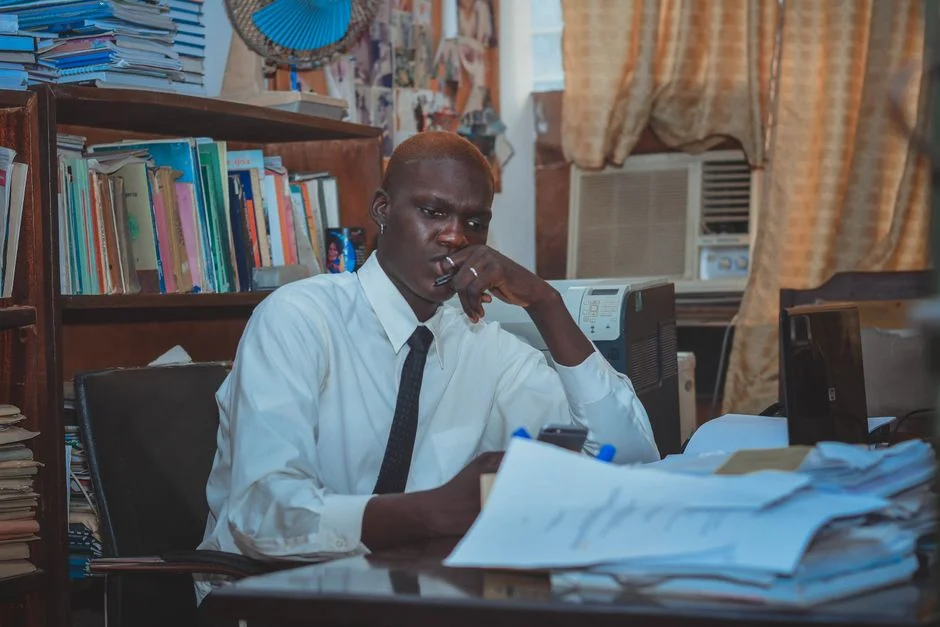
The call comes amid ongoing concerns about how sensationalised or biased coverage can inflame tensions, particularly in a country with Nigeria's ethnic and religious diversity.
Social Cohesion at Stake
API analysis suggests that media coverage remains one of the most powerful forces in determining how different groups perceive one another. The institute has urged reporters to think carefully about the language they use, the sources they cite, and the context they provide when covering stories that touch on sensitive issues.
The message was clear: irresponsible reporting is not merely a professional failing. It carries real consequences for the stability of communities across Nigeria.
Journalists as Builders of Unity
Rather than simply pointing out problems, the institute has been working to give journalists practical tools. Through workshops and training sessions, reporters learn how to cover conflict-prone topics without amplifying division. The focus is on accuracy, balance, and an understanding of how stories land with different audiences.
Journalists who attended the event said the discussions were a reminder that their daily decisions at the desk or in the field carry weight far beyond their newsrooms.
Building Professional Standards
The Africa Polling Institute has positioned itself as a partner to media organisations seeking to raise their standards. Rather than waiting for coverage to cause harm, the institute encourages proactive investment in journalist training. The goal is a media environment where professionalism and social responsibility go hand in hand.
The approach reflects a belief that reporters who understand the stakes are better equipped to make editorial choices that serve the public interest. That means checking facts before publishing, seeking multiple perspectives, and resisting the urge to frame stories in ways that maximise clicks at the expense of accuracy.
What Journalists Said
Those present described a constructive session that combined sharp criticism of current trends with concrete suggestions for improvement. The institute resisted general finger-pointing, instead offering pathways for journalists to develop habits that strengthen rather than undermine social bonds.
The tone was collaborative rather than confrontational, an approach designed to encourage buy-in from professionals who often work under tight deadlines and resource pressure.
Tracking Progress Ahead
API officials said they would continue monitoring public sentiment through regular polling to assess whether shifts in media behaviour are translating into measurable improvements in social cohesion. The next round of data collection is expected later in the year.
In the meantime, journalists were encouraged to treat the institute's message not as a one-off lecture but as an ongoing challenge. The work of responsible reporting, API officials noted, is never finished. It requires constant attention, reflection, and a willingness to put accuracy above speed.
The next training workshop is scheduled to take place in Abuja within the coming months, with additional sessions planned for regional centres across Nigeria. Journalists interested in participating can register through the Africa Polling Institute's official channels.
See Also
- Braga Hospital Workers Strike Over Parking Fees: A Health Crisis Unfolds
- Nigeria and US Strike Kills 21 Terrorists in Borno State Operation
That means checking facts before publishing, seeking multiple perspectives, and resisting the urge to frame stories in ways that maximise clicks at the expense of accuracy.What Journalists SaidThose present described a constructive session that combined sharp criticism of current trends with concrete suggestions for improvement. The goal is a media environment where professionalism and social responsibility go hand in hand.The approach reflects a belief that reporters who understand the stakes are better equipped to make editorial choices that serve the public interest.