A joint operation by Nigeria and the United States Africa Command has resulted in the deaths of 21 terrorists in the Arege region of Borno State. This decisive action took place on Tuesday and has sparked discussions on its implications for Nigeria's ongoing battle against insurgency and its broader development goals.
Joint Operation Details and Immediate Outcomes
The coordinated airstrike targeted a terrorist stronghold near Arege, a location that has been under scrutiny due to frequent attacks on local communities. The United States Africa Command confirmed that its resources were instrumental in executing this operation, which aims to disrupt the activities of groups like Boko Haram and ISWAP (Islamic State West Africa Province).
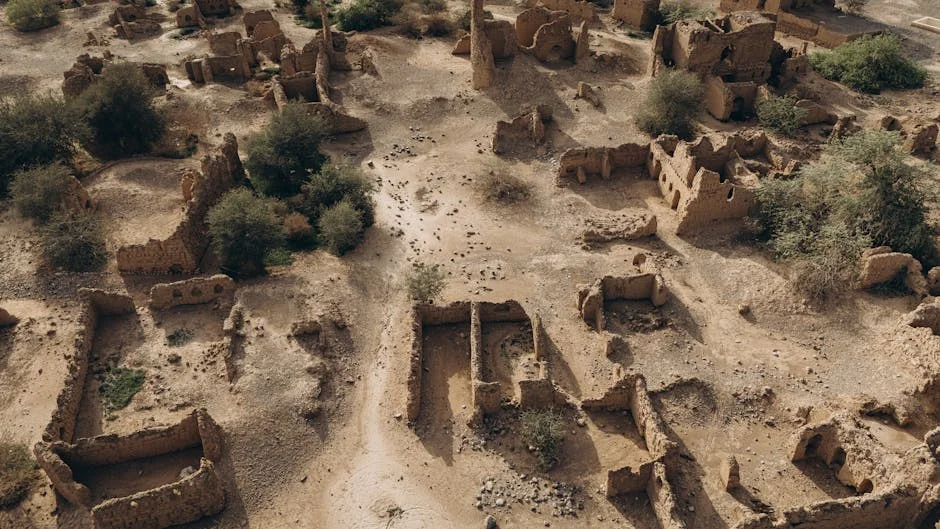
This successful strike is part of a broader effort to enhance security in the region, allowing local authorities to focus on rebuilding efforts and improving infrastructure, which have been severely affected by years of violence and instability.
Context of Terrorism in Borno State
Borno State has been a hotspot for terrorist activity, with the conflict displacing millions and crippling economic development. The state has struggled to meet basic needs in education, healthcare, and infrastructure due to ongoing insecurity.
Over the past decade, more than 30,000 people have been killed in the violence, and livelihoods have been decimated. The recent operation represents a significant step towards restoring safety in the area, thus creating opportunities for developmental initiatives.
Implications for Development Goals
The elimination of these terrorists is not just a tactical victory; it has profound implications for Nigeria's development goals. According to the Global Terrorism Index, terrorism costs Nigeria approximately $1 billion annually—a staggering figure that hampers economic growth.
As Nigeria strives to achieve its Sustainable Development Goals (SDGs), reducing violence and instability will be crucial. The government has made commitments to improve education, healthcare, and infrastructure, but these efforts are frequently undermined by security concerns.
Role of International Support
The partnership with the United States Africa Command underscores the importance of international collaboration in combating terrorism. Such support can also facilitate the delivery of humanitarian aid and developmental assistance needed in conflict-affected areas.
Local NGOs and international agencies have indicated that with improved security, they can more effectively provide essential services, which in turn fosters resilience and promotes community rebuilding.
Public Reception and Future Outlook
The action has been met with mixed reactions from the public. While many welcome the reduced threat of terrorism, concerns remain regarding the potential for civilian casualties and the need for thorough investigations into the impact of military operations.
As Nigeria and the United States continue to collaborate, there is hope that future operations will balance the immediate need for security with respect for human rights and the necessity of community engagement.
Next Steps for Nigeria
Looking ahead, the Nigerian government faces the challenge of transitioning from military victories to sustainable peace. This includes ensuring effective governance, improving local economies, and addressing the root causes of insurgency.
Stakeholders will be watching for the government's response and any upcoming initiatives aimed at reintegrating former combatants and rebuilding affected communities. The next few months will be critical as Nigeria aims to reclaim stability and pursue lasting development.
See Also
- Congo Activists Rally to Combat Ebola Outbreak in Goma—Health Crisis Deepens
- Most Nigerians Cannot Name a Single Cholera Symptom — Survey Reveals Dangerous Gap
The government has made commitments to improve education, healthcare, and infrastructure, but these efforts are frequently undermined by security concerns.Role of International SupportThe partnership with the United States Africa Command underscores the importance of international collaboration in combating terrorism. While many welcome the reduced threat of terrorism, concerns remain regarding the potential for civilian casualties and the need for thorough investigations into the impact of military operations.As Nigeria and the United States continue to collaborate, there is hope that future operations will balance the immediate need for security with respect for human rights and the necessity of community engagement.Next Steps for NigeriaLooking ahead, the Nigerian government faces the challenge of transitioning from military victories to sustainable peace.