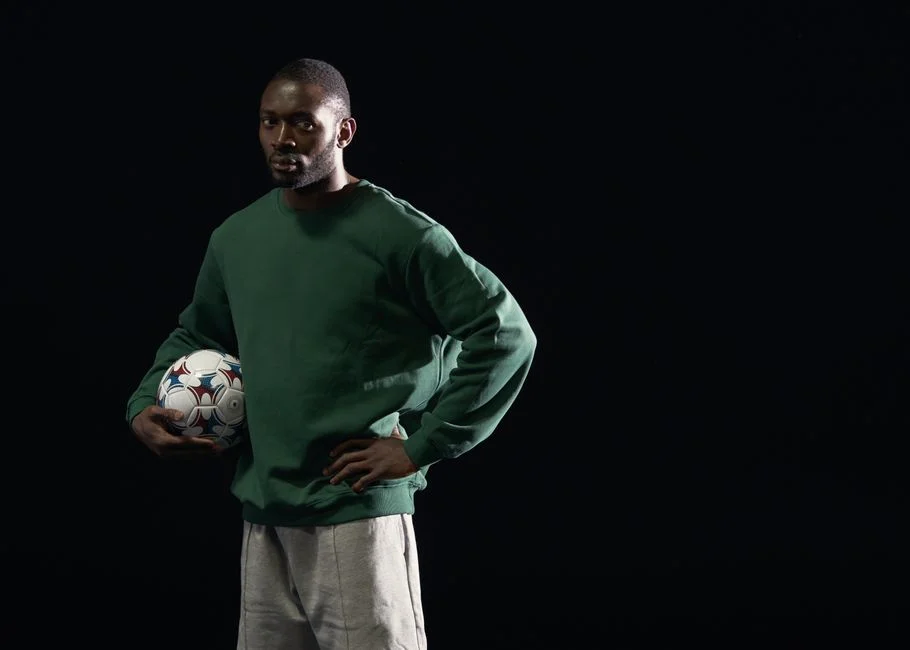
The race to the 2026 FIFA World Cup is reshaping how African nations approach international football. Ten head coaches now lead CAF member countries through a qualifying campaign that offers nine guaranteed places at the tournament co-hosted by the United States, Canada, and Mexico.
The Expansion Opens Doors
Africa's allocation grew from the previous cycle. FIFA confirmed nine automatic spots for CAF, a significant increase that intensifies competition across the continent. Every qualifying match carries weight as national federations pour resources into their campaigns. The stakes extend beyond pride—World Cup participation drives sponsorship revenue, kit sales, and broadcast deals worth millions to national associations.
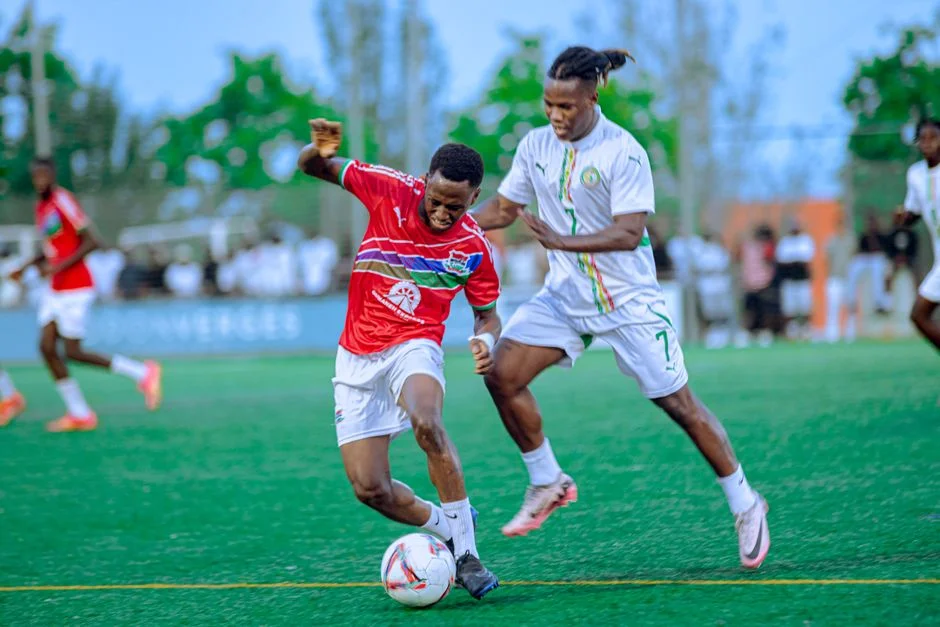
Qualifying matches are scheduled across multiple international windows through 2025. The compressed timeline means coaches have limited opportunities to assess players and implement tactical systems. Several federations acted quickly, appointing coaches before the first fixtures to ensure preparation time.
Coaches Across the Continent
African national teams selected coaches from varied backgrounds. Some federations prioritised international experience, hiring managers who previously worked in European leagues. Others opted for domestic familiarity, choosing coaches with established relationships in local football structures.
The contrast in approaches reflects broader tensions within African football governance. National associations face pressure to deliver results quickly, yet building sustainable programmes requires longer-term thinking. Coaches operate within these constraints, balancing immediate qualification goals against development objectives.
Strategic Decisions by Federations
Several factors influenced appointment decisions. Budget limitations forced smaller federations to prioritise cost-effectiveness over marquee names. Political considerations also played a role—some associations favoured coaches with connections to influential figures within their football hierarchies. Language and cultural alignment mattered in West and Central African nations where administrative leaders sought smooth communication with technical staff.
Federations in North Africa generally pursued coaches with proven records in competitive environments. West African nations showed willingness to experiment with younger managerial talent. Southern African associations balanced experience against fresh tactical perspectives.
Preparation Challenges
Coaches face obstacles beyond tactics. Player availability remains a persistent problem. European-based professionals often report late for international windows due to club commitments, leaving limited time for tactical sessions. Some players resist calls from national teams, citing concerns about injuries or fatigue during busy club schedules.
Infrastructure varies dramatically across qualifying venues. Training facilities in capitals contrast sharply with basic conditions in smaller nations. Hotel arrangements, transportation, and medical support differ based on national football budgets. Coaches must adapt preparation methods to available resources rather than ideal circumstances.
What Happens Next
The qualifying calendar accelerates through 2025. Group stage fixtures determine advancement to the final round, where remaining spots get allocated. Coaches who succeed will face pressure to maintain momentum into the tournament itself. Those who fail face swift replacements—national associations have shown decreasing patience with underperforming technical staff.
Several coaches carry realistic expectations of reaching the World Cup. Their nations possess the infrastructure, player pools, and financial backing to compete seriously. Others view qualification as a secondary goal, prioritising tournament experience for younger squads over immediate results.
Readers should track qualifying results through CAF announcements as windows open. The composition of Africa's World Cup representatives will clarify by late 2025, revealing which coaching strategies proved most effective.
See Also
- African Union Summit Highlights Water and Sanitation in Agenda 2063
- Vusi Mahlasela Defies Silence — His Music Fuels African Development Dialogue
What is the latest news about 10 african coaches lead nations into 2026 world cup qualifying battle?
Why does this matter for politics-governance?
What are the key facts about 10 african coaches lead nations into 2026 world cup qualifying battle?