South African President Cyril Ramaphosa is facing renewed pressure over a cash-in-the-sofa scandal that has haunted his presidency since 2022, when the presidency of Africa's most industrialised economy was thrown into turmoil over hundreds of thousands of dollars allegedly hidden at his private game farm in Limpopo province.
How the Scandal Unfolded
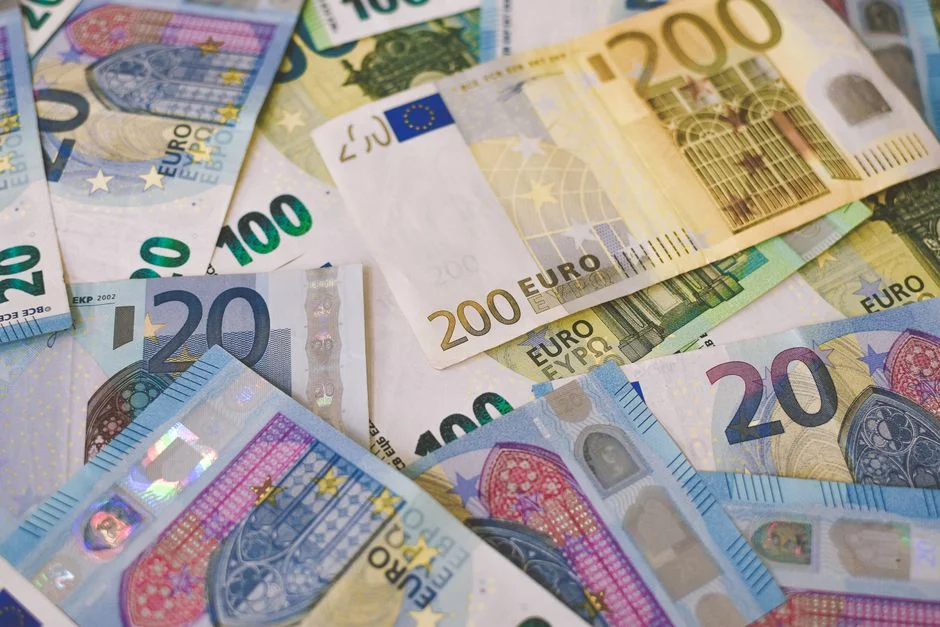
The controversy dates back to 2020, when a burglary took place at Ramaphosa's Phala Phala game farm in Bela-Bela, Limpopo. Thieves reportedly made off with a significant amount of foreign currency stored at the property. The incident only came to public attention in late 2022, when local media revealed that the president had failed to disclose the cash to authorities.
Ramaphosa has maintained that the money came from selling game animals at his private concession. A former head of the presidential protection unit was among those implicated in the initial investigation, raising questions about who knew what and when.
Impeachment Proceedings and Political Fallout
The revelations sparked immediate calls for accountability. Opposition parties in Cape Town demanded a formal investigation, arguing that the president had violated ethics laws and potentially committed crimes. The cash scandal threatened to end Ramaphosa's presidency before he could complete his first term.
In December 2022, the National Assembly voted on an impeachment motion. Ramaphosa survived the vote, narrowly avoiding removal from office. However, the damage to his reputation was substantial. Critics accused him of hypocrisy, having positioned himself as a corruption fighter after the graft-plagued Jacob Zuma era.
The ANC's Internal Response
The African National Congress, Ramaphosa's own party, was forced to respond to the mounting pressure. Party officials conducted their own review of the matter while publicly standing by their leader. The ANC argued that the scandal should be resolved through proper legal channels rather than political theatrics.
The controversy exposed fault lines within the ruling party ahead of national elections expected in 2024. Some within the ANC privately expressed concern that the saga could damage the party's electoral prospects at a time when South Africa faces mounting economic challenges.
Legal Questions That Remain
Several legal questions persist. Financial intelligence authorities have examined whether Ramaphosa properly declared the foreign currency holdings as required under South African law. The presidency has maintained that no laws were broken, but opposition parties continue to press for clarity on the source and handling of the funds.
The scandal has also drawn scrutiny from tax authorities and banking regulators, who are responsible for tracking large cash movements. Financial disclosures from government officials require explanation when unusual financial activity comes to light.
What the Scandal Means for South Africa
The cash controversy matters for South Africa because it strikes at the heart of governance expectations. Ramaphosa campaigned on a platform of cleaning up government after years of state capture under Zuma. The revelation of hidden cash at his farm has undermined that narrative in the eyes of many South Africans.
South Africa is dealing with a currency that has weakened against the dollar, power cuts that cripple the economy, and unemployment figures that consistently rank among the world's highest. For ordinary citizens, questions about a president's unexplained cash reserves carry particular resonance in such an environment.
What to Watch in the Coming Months
The 2024 national elections will serve as the next major test for Ramaphosa. The African National Congress faces a declining share of the vote, and any further revelations about the Phala Phala incident could accelerate that trend. Opposition parties are expected to make the scandal a central campaign issue.
Investigative authorities in Pretoria continue to assess whether criminal charges are warranted. The timing of any such decision could influence the election narrative. Ramaphosa has publicly welcomed the investigations, stating he has nothing to hide, but the outcome remains uncertain as South Africa awaits resolution on a saga that refuses to disappear.
See Also
What to Watch in the Coming Months The 2024 national elections will serve as the next major test for Ramaphosa. The African National Congress faces a declining share of the vote, and any further revelations about the Phala Phala incident could accelerate that trend.
What is the latest news about ramaphosas cash scandal returns south africas president faces fresh scrutiny?
Why does this matter for politics-governance?
What are the key facts about ramaphosas cash scandal returns south africas president faces fresh scrutiny?