A team of scientists has documented dozens of previously unknown species in a remote region of Angola, filling in one of the last blank spots on Africa's biodiversity map. The discovery covers plants, insects, and small vertebrates found during a six-month expedition to an area that has received almost no scientific attention for decades.
The Expedition That Changed the Map
The research team spent five months in the field, covering nearly 3,000 square kilometres of savanna and forest that had not been systematically studied since Angola gained independence in 1975. Local guides and international researchers worked together to collect specimens across multiple terrain types, from rocky highlands to river valleys.
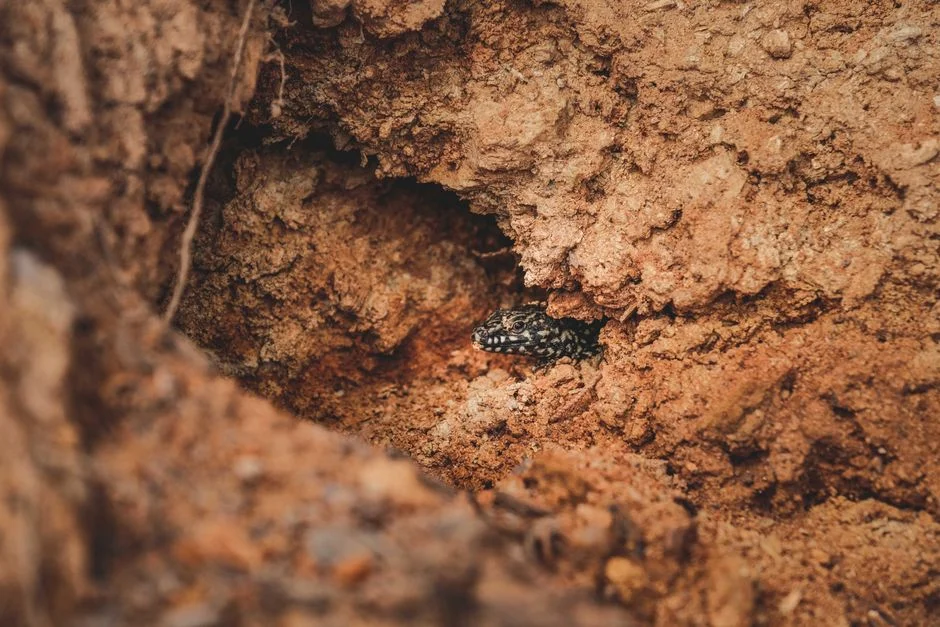
The team catalogued species across a wide range of taxonomic groups. Plants made up the largest share of new discoveries, but the scientists also identified several insect species and at least three frog species that had never been recorded in scientific literature.
Why This Corner of Angola Remained Unexplored
Angola's civil war, which ended in 2002, left large portions of the country inaccessible to researchers for nearly three decades. Many areas remained on no-go lists for foreign expeditions well into the 2010s. The provinces of Cuando Cubango and Moxico, where most of the fieldwork took place, have only recently opened to scientific collaboration with international partners.
The government in Luanda has made little investment in biological surveys since the war ended. Parks and conservation areas exist on paper, but ranger patrols and research programmes operate with minimal funding. That neglect meant that no comprehensive species inventory existed for much of the country's interior.
What Scientists Mean by a Biodiversity Blank Spot
Researchers use the term to describe regions where fewer than ten peer-reviewed ecological studies exist per 1,000 square kilometres. By that measure, large parts of southern Angola fall well below the threshold. The area the team studied had zero documented amphibian records before the expedition began.
Blank spots matter because conservation decisions depend on data. Without knowing which species live in an area, governments and NGOs cannot prioritise protection efforts or assess threats from mining, agriculture, or infrastructure development.
What the Discoveries Tell Us
The new species include plants that local communities have used for medicinal purposes for generations but that never appeared in scientific texts. Researchers documented at least two tree species with previously unknown bark properties that could have pharmaceutical applications.
Among the animal discoveries, a small nocturnal lizard drew particular attention. The species appears to belong to a genus previously known only from neighbouring Namibia and the Democratic Republic of Congo, suggesting the Angolan wilderness serves as a connecting corridor for species movement across southern and central Africa.
Several frog species were found in isolated wetland pockets that had not been surveyed during the rainy season before. The researchers noted that climate patterns appear to be pushing some species into higher elevations, a finding that adds to existing concerns about how Angola's wildlife will adapt to changing precipitation patterns.
What Comes Next for Angola's Wildlife
The research team has submitted preliminary findings to the National Institute for Biodiversity in Angola. The institute's director confirmed that the documentation will feed into a national species database that currently holds records for fewer than half of Angola's estimated flora.
International conservation groups have already expressed interest in supporting follow-up surveys. The Wildlife Conservation Society and WWF both have active programmes in neighbouring countries and see Angola as a priority for expansion. Funding discussions are underway, according to people familiar with the talks.
The scientists plan to publish full descriptions of twelve species in peer-reviewed journals over the next eighteen months. Several more discoveries require additional laboratory analysis before formal classification can proceed.
The Bigger Picture for African Biodiversity
Angola is not unique in having large unexplored areas. Across the continent, estimates suggest that more than 40 percent of Africa's species-rich zones remain under-surveyed. Countries emerging from conflict or political isolation often lack the infrastructure to conduct systematic ecological monitoring.
The Angolan findings align with a broader trend of significant species discoveries in previously inaccessible regions. Similar expeditions in the Congo Basin and the Ethiopian highlands have yielded comparable results over the past decade.
Researchers say the pace of discovery will depend largely on whether funding agencies prioritise field biology in regions that lack existing data. Institutional donors have historically concentrated resources on biodiversity hotspots that are already well-documented, a pattern critics say leaves the most unknown ecosystems last on the priority list.
What happens next in Angola will test whether a scientific discovery can translate into lasting conservation. The government faces pressure to develop its oil-rich interior while balancing international commitments on biodiversity protection. Local communities in the surveyed area have already requested copies of the findings in Portuguese, a step researchers say is essential for building support for land management practices that protect rather than exploit the region's newly documented wildlife.
See Also
- South Africa's Realising Initiative Targets Sustainable Offshore Development
- Nigeria Braces for Stronger Storms as Climate Change Fuels Hurricane Activity
What is the latest news about researchers find dozens of new species in angolas unexplored frontier?
Why does this matter for environment-nature?
What are the key facts about researchers find dozens of new species in angolas unexplored frontier?