Traxtion has secured R1.5 billion in new investment capital, a move set to accelerate rail expansion projects across Southern Africa. The funding arrives as the continent grapples with aging infrastructure and growing demand for efficient freight transport. Company officials confirmed the investment will support both network upgrades and new route development over the coming years.
Investment to Address Infrastructure Gaps
The R1.5 billion injection represents one of the larger single investments in Southern African rail in recent memory. Rail networks across the region have struggled with decades of underinvestment, leaving shippers reliant on expensive road transport. Bottlenecks at key crossings have added days to delivery times and driven up costs for businesses and consumers alike.
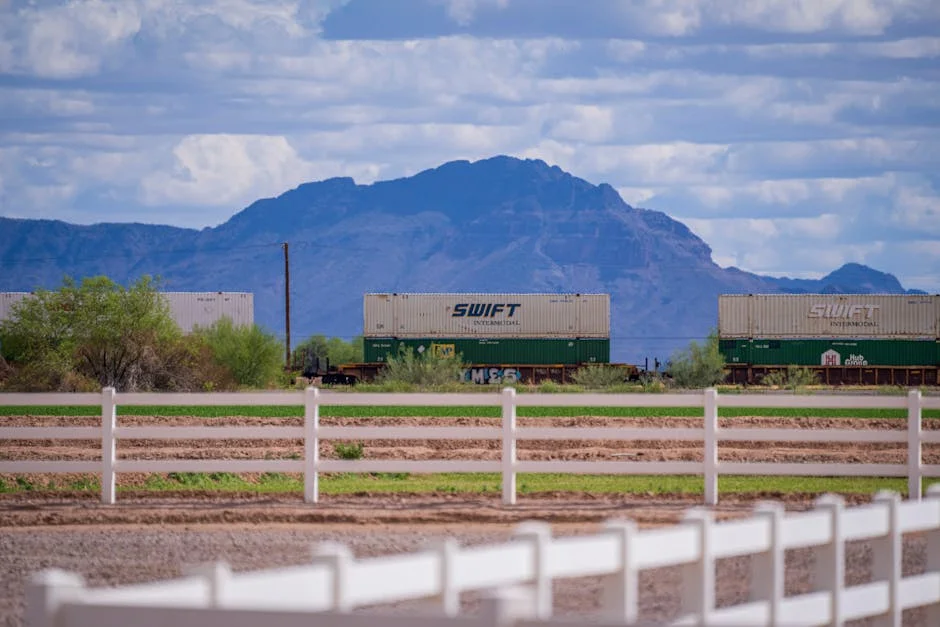
Traxtion plans to direct the capital toward track rehabilitation, new rolling stock acquisition, and signaling upgrades along high-traffic corridors. The company operates across multiple markets including South Africa, Zambia, and Botswana, where freight demand continues to climb. Officials said the investment will also fund expansion into currently underserved regions, giving more shippers access to rail services.
Context: Why Rail Infrastructure Matters
Southern Africa relies heavily on road freight, which carries significantly higher per-ton costs than rail. Trucks dominate transport corridors despite wearing out roads faster and producing more carbon emissions per unit of cargo moved. Governments across the region have set targets to shift more freight onto rail, yet progress has been slow without adequate private capital.
The African Continental Free Trade Area has intensified pressure for reliable cross-border transport links. Landlocked nations including Zambia and Zimbabwe depend on rail connections to coastal ports for export markets. Without competitive rail options, these countries face higher logistics costs that erode the price competitiveness of their exports.
Regional Development Priorities
Regional bodies have identified rail infrastructure as essential for economic integration and industrial growth. The Southern African Development Community has repeatedly called for modernized rail networks to support cross-border trade. Efficient rail reduces the cost of moving goods, which benefits producers, consumers, and governments alike.
Infrastructure development ranks among the top priorities for African nations seeking sustainable growth. Rail projects create construction jobs, require ongoing maintenance staff, and stimulate related industries including manufacturing and logistics. Enhanced connectivity also opens new markets for agricultural and mining operations currently constrained by transport costs.
Strategic Plans and Market Position
Traxtion's expansion strategy includes acquiring additional locomotives and wagons to increase carrying capacity. The company has identified several key corridors where demand exceeds current rail supply. Officials noted that shippers have expressed strong interest in reliable rail alternatives to road transport.
The investment also signals growing confidence among institutional investors in African infrastructure assets. Capital has flowed toward the continent's roads and ports in recent years, but rail has attracted comparatively less private funding. Traxtion's successful raise suggests that investors see rail as a viable and potentially profitable asset class in the region.
What Comes Next
Traxtion is expected to announce specific deployment timelines for the new capital in the coming months. The company faces pressure to demonstrate measurable progress on track upgrades and service expansion quickly. Shareholders and shipping clients will be watching for announcements regarding new routes and capacity additions.
The rollout will likely prioritize corridors with the highest freight volumes and clearest commercial returns. Traxtion's management team has indicated that deployment will proceed in phases, with initial upgrades focused on existing high-demand lines before extending into new territory. The pace of execution will test whether the investment translates into tangible improvements for shippers across the region.
See Also
- Rui Borges Reveals Sporting's Injury Crisis Amidst Tondela Challenge
- Allister Coetzee and Heyneke Meyer Bring Springbok Expertise to Currie Cup: What It Means for African Rugby
See AlsoRui Borges Reveals Sporting's Injury Crisis Amidst Tondela ChallengeAllister Coetzee and Heyneke Meyer Bring Springbok Expertise to Currie Cup: What It Means for African Rugby The company has identified several key corridors where demand exceeds current rail supply.