Health authorities in the Democratic Republic of Congo are battling to contain a deadly Ebola outbreak that has continued to spread despite intensive containment efforts. The outbreak, concentrated in Ituri Province in the country's northeast, has defied multiple rounds of intervention, raising alarm among regional health officials.
Ituri Province Emerges as New Epicentre
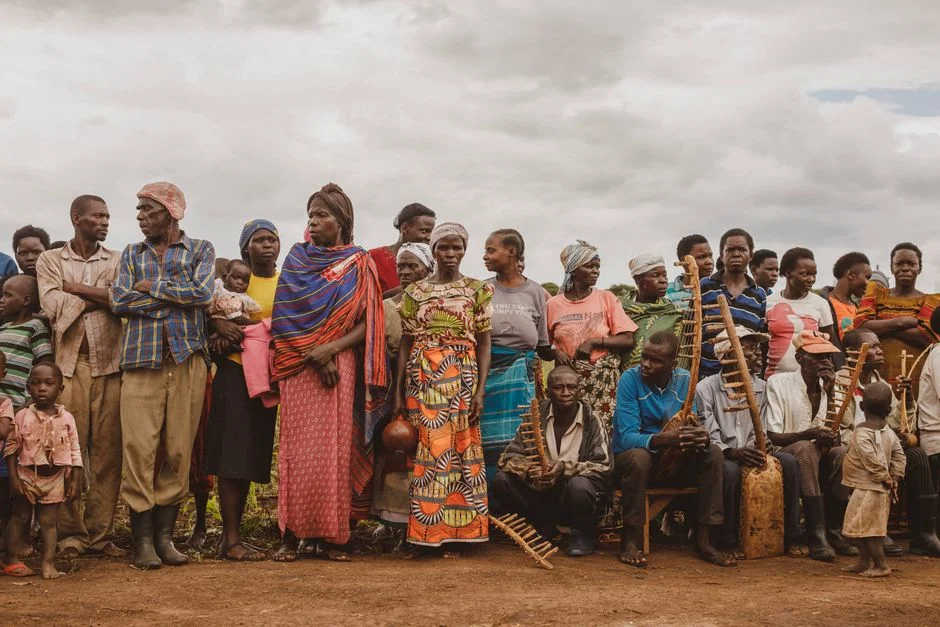
The virus has established a foothold in areas where previous outbreaks burned out years ago. Bundibugyo, a district in western Ituri, reported some of the earliest cases in the current wave. Communities there have faced Ebola before, yet familiarity has not made control easier. Local health workers say transmission chains remain active in hard-to-reach villages surrounded by dense forest.
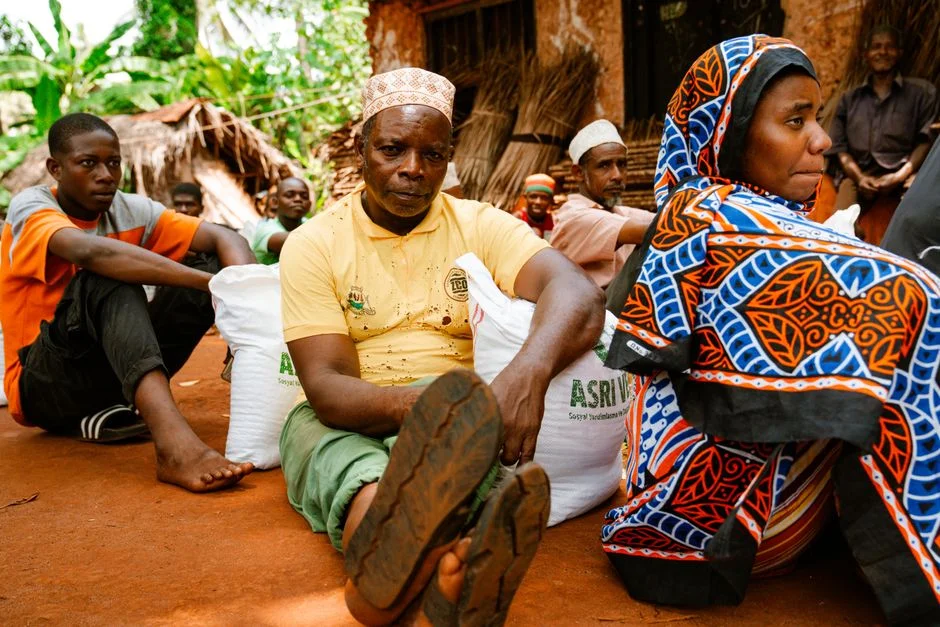
Contacts of confirmed cases have proven difficult to trace. In many instances, families have resisted official protocols, opting instead for traditional burial practices that involve direct contact with bodies. Health teams have faced hostility in some communities where suspicion of foreign medical workers runs deep.
Containment Efforts Face Persistent Obstacles
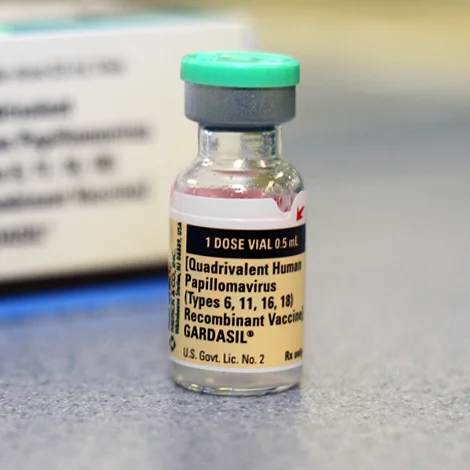
Vaccination campaigns have rolled out across affected zones, yet supply constraints have limited their reach. The Merck vaccine, which proved effective during the massive 2014–2016 West African epidemic, requires ultra-cold storage — a logistical hurdle in regions where electricity remains unreliable.
Cross-border movement complicates matters further. Ituri Province shares porous boundaries with Uganda and South Sudan. Traders, miners, and displaced persons cross these lines daily, carrying the virus beyond official checkpoints. Neighbouring countries have activated surveillance protocols, though officials acknowledge the measures can only do so much.
Security Hazards Slow the Response
Apart from logistical challenges, armed groups operate throughout much of Ituri. Several aid organisations have had to suspend operations in areas where their staff faced attack. When health workers cannot safely access villages, suspected cases go uninvestigated and contacts remain unmonitored. The result is blind spots in the response where the virus continues circulating undetected.
The United Nations has called for greater protection of humanitarian personnel, but analysts say the security situation will not improve without political resolution to the broader conflict gripping eastern Congo.
What This Means for African Health Security
The outbreak exposes a persistent vulnerability in the continent's public health architecture. The Africa Centres for Disease Control and Prevention has coordinating authority during cross-border health emergencies, yet member states retain primary responsibility for national responses. Funding gaps, weak laboratory networks, and inadequate disease surveillance systems leave many countries exposed.
Congo has now experienced at least four major Ebola outbreaks since 2018. Each one strains already-thin health systems and diverts resources from routine care. Maternal health services, malaria treatment, and childhood immunisation programmes all suffer when attention and funding shift toward epidemic response.
Regional Stakes and International Attention
World Health Organisation officials have travelled to Congo to assess the situation firsthand. Emergency committees have convened, though no decision has been made on declaring a Public Health Emergency of International Concern. Such a designation would unlock additional funding and compel neighbouring states to strengthen border screening.
For now, the burden falls on local authorities. Health officials in Ituri are working to isolate cases, monitor contacts, and persuade communities to accept medical intervention. Their success or failure will determine whether this outbreak burns out or expands into a broader regional crisis.
What Comes Next
Communities in the most affected districts are bracing for continued spread through the coming weeks. Schools in several areas have suspended classes, and market activity has slowed as fear grips the population. Families who can afford it have begun relocating to areas they perceive as safer, potentially carrying the virus with them.
The next few weeks will test whether Congo's health authorities can regain control. International partners are watching closely, but decisive action must come from within. Readers should monitor updates from the Ministry of Health and Africa CDC for the latest case counts and containment guidance.
See Also
- WHO Launches New TB Tests Across Africa — 100M People at Risk
- Morocco Wins Lalla Meryem Cup as Huang Makes History