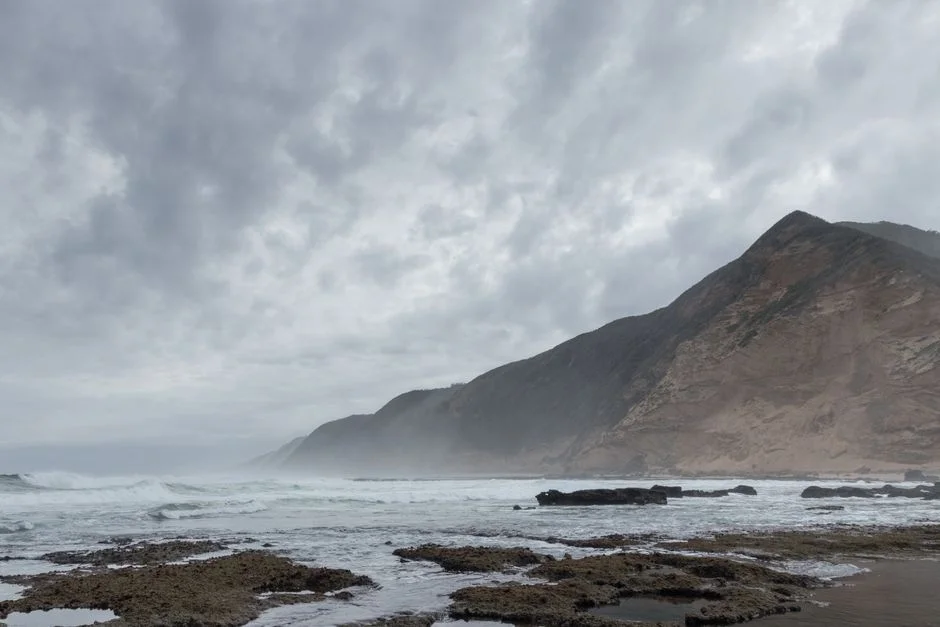
Heavy flooding rain, snow, and a powerful cold front have gripped parts of South Africa's Western Cape province, forcing road closures and disrupting daily life for residents across the region. The severe weather system moved through today, bringing sub-zero temperatures to higher elevations while low-lying areas faced dangerous flood conditions. Local authorities have urged people to avoid travel on affected routes as emergency crews work to respond to the incoming storm.
Flooding Blocks Major Routes
Reports from the Western Cape indicate that several key roads have become impassable due to floodwaters. Officials confirmed that certain low-lying crossings and rural routes have been closed as water levels continue to rise. Motorists are being turned away from affected areas, with authorities warning that attempting to pass through flooded roads poses serious risk to life. The closures come as rivers and streams across the region struggle to handle the volume of rainfall.
Communities in flood-prone areas have reported water entering homes and businesses. Local emergency management teams are monitoring the situation closely, though the full extent of property damage remains unclear at this stage. Schools in some affected zones have altered their operations in response to the weather conditions.
Snow Falls on Mountain Regions
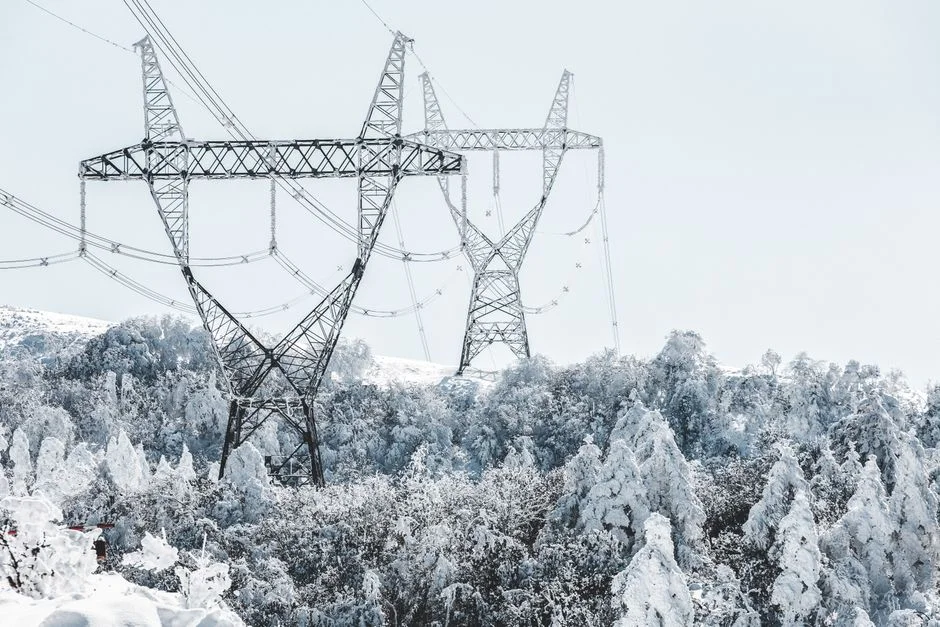
Higher ground in the Western Cape has received significant snowfall, transforming mountain passes into hazardous terrain. The cold front has pushed temperatures well below seasonal averages across the interior. Authorities have cautioned that icy roads and reduced visibility are creating dangerous conditions for anyone travelling through mountain passes. The South African Weather Service had issued advance warnings about the incoming system, giving residents time to prepare for the severe weather shift.
Impact on Rural Communities
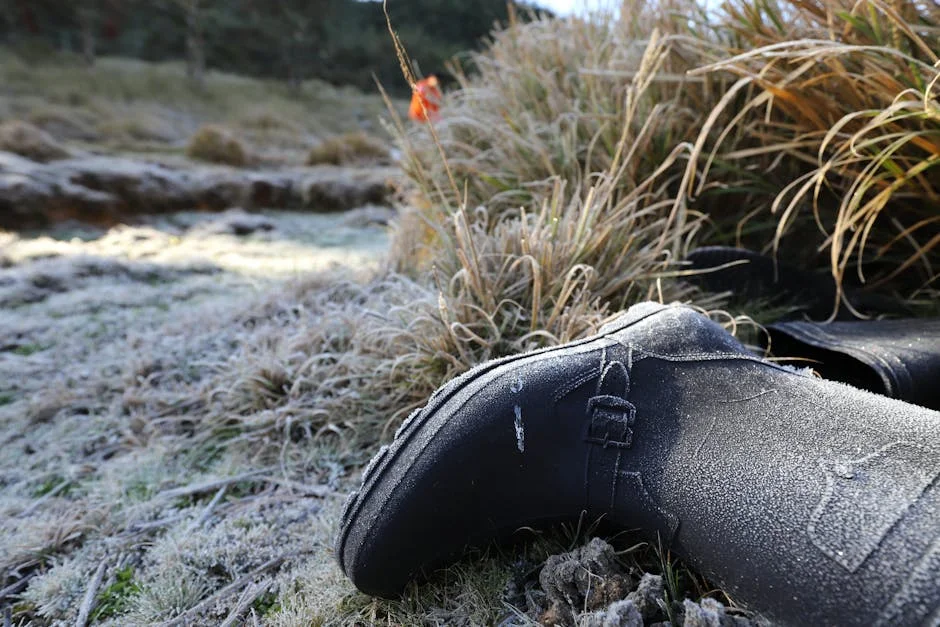
Rural settlements in the mountain foothills face particular challenges as snowfall blocks access routes. Farmers in affected areas have expressed concern about livestock and crop protection during the cold snap. Community leaders are working to ensure vulnerable residents have access to shelter and warming facilities as temperatures plummet overnight.
Emergency Response Underway
Emergency services across the Western Cape have scaled up operations in response to the weather crisis. Teams are positioned in key areas to respond quickly to any calls for assistance. The provincial government has activated its disaster management protocols, coordinating between local authorities and national resources. Residents are advised to stay indoors where possible and avoid unnecessary travel until conditions improve.
Disaster relief organisations have begun assessing needs in affected communities. Local shelters have opened their doors to those displaced by flooding or without adequate heating. Volunteers are distributing blankets and essential supplies to households most exposed to the cold.
Why This Matters Beyond South Africa
Severe weather events in Southern Africa carry implications for the broader continent. The Western Cape is a significant agricultural zone, producing crops and livestock that supply markets across Southern Africa. Disruptions from flooding and extreme cold can ripple through supply chains, affecting food availability and prices in neighbouring countries. Climate patterns in one region increasingly influence conditions elsewhere, making regional cooperation on disaster response essential for African development goals.
The flooding also highlights the infrastructure challenges facing many African nations. Roads and drainage systems built for historical rainfall patterns struggle to cope with the more intense weather events now occurring. Development planners across the continent are grappling with how to build resilience into infrastructure while managing limited public resources.
What Comes Next
Weather officials indicate the cold front will continue to affect the Western Cape through the next 48 hours before gradually weakening. Snow is expected to persist at higher elevations even as rainfall eases in lower areas. Authorities will reassess road conditions once water levels begin to recede, though meteorologists caution that any additional rainfall could prolong the flooding. Residents should monitor official updates and maintain precautions as the system makes its way through the region.
See Also
- South Africa Shatters EV Charging Record — What Nigeria Must Watch
- Save Reveals Secrets to Buying Refurbished Electronics - What It Means for Africa's Tech Sector
Teams are positioned in key areas to respond quickly to any calls for assistance. The Western Cape is a significant agricultural zone, producing crops and livestock that supply markets across Southern Africa.