Nigeria's Jimoh Ibrahim has been elected chair of the United Nations General Assembly's Fifth Committee, the UN body responsible for budgetary and administrative matters. The election took place at UN headquarters in New York. Ibrahim defeated rival candidates to secure the position, which oversees the organisation's finances and peacekeeping assessments. He takes over at a time when the UN is grappling with significant funding challenges and calls for greater fiscal responsibility from member states.
Reform Agenda Takes Shape
In his first public remarks following the election, Ibrahim outlined an ambitious reform programme aimed at modernising how the Fifth Committee operates. He pledged to improve transparency in UN budgeting processes and ensure that funds allocated to peacekeeping missions and development programmes reach their intended recipients without wasteful delays. The incoming chair stated that he would prioritised accountability mechanisms to track expenditure across the organisation's various bodies. His administration will seek to streamline administrative costs while maintaining operational efficiency across all UN departments.
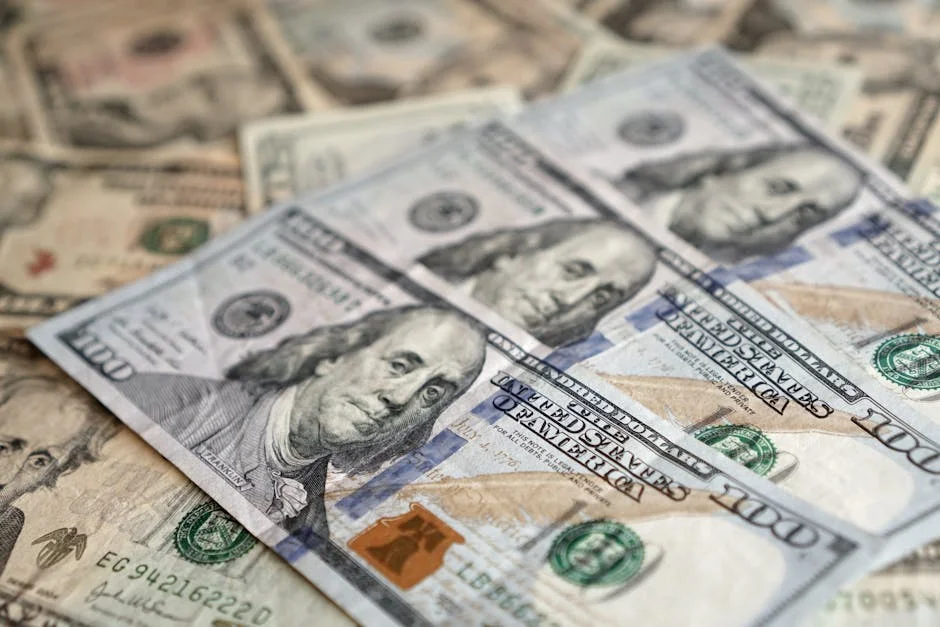
The Fifth Committee manages the UN regular budget, which stands at approximately $3.4 billion for the current biennial period. Ibrahim will also oversee deliberations on peacekeeping operations, which require annual contributions from member states totalling billions more. The committee reviews all proposals related to staffing, infrastructure, and programmatic spending before forwarding recommendations to the full General Assembly for approval. Ibrahim's focus on fiscal discipline aligns with broader calls from developing nations seeking greater value from their contributions to the world body.
New York's Vote and Committee Powers
The election in New York came after a competitive selection process among regional groups at the UN. The Fifth Committee traditionally reflects geographic rotation, with the African Group securing this cycle's chairmanship. Ibrahim's victory represents a significant moment for Nigeria, which has sought to expand its footprint in multilateral institutions in recent years. The committee wields considerable influence over how the UN allocates its resources, making the chairmanship a substantive position rather than a ceremonial one.
The Committee's Financial Authority
The Fifth Committee's jurisdiction covers both the regular budget and peacekeeping assessments paid by all 193 member states. Decisions require consensus among delegates, meaning the chair must broker agreements between nations with often divergent financial interests. Ibrahim inherits ongoing debates about assessment rates and how unpaid contributions from some member states affect the UN's operational capacity. The committee also reviews proposals for new peacekeeping mandates and their associated costs, directly influencing mission effectiveness in conflict zones across Africa and beyond.
African Representation at the UN
Ibrahim's election underscores the growing presence of African officials in UN leadership roles. The continent has historically been underrepresented in the organisation's senior positions despite contributing substantially to peacekeeping operations and development initiatives. This chairmanship places Nigeria at the centre of financial deliberations that shape the UN's priorities worldwide. African nations have long advocated for reforms that would give them greater voice in institutional decision-making, and Ibrahim's position offers an opportunity to advance those goals from within the committee's structures.
The Fifth Committee also examines administrative and budgetary aspects of UN missions, including those deployed in Africa. Ibrahim's background in both public service and business may prove valuable in navigating complex negotiations over resource allocation. The incoming chair has experience in legislative oversight from his time in the Nigerian National Assembly, skills that translate directly to the committee's mandate of scrutinising executive spending proposals. Delegates from various regional groups have indicated willingness to work constructively with the new chair on pending financial matters.
Challenges Awaiting the New Chair
Ibrahim assumes leadership of a committee facing mounting pressure to address structural inefficiencies in UN financing. Several member states have raised concerns about escalating administrative costs relative to programme delivery. The upcoming budget cycle will test whether Ibrahim can deliver on his reform pledges while maintaining consensus among delegates with competing priorities. Negotiations over peacekeeping assessments have historically been contentious, particularly regarding the methodology used to calculate contributions from wealthier nations versus developing countries.
The committee will also continue reviewing the performance and mandate duration of ongoing peacekeeping missions in Africa and elsewhere. Ibrahim has indicated that mission evaluations will receive heightened scrutiny under his chairmanship to identify cost-saving opportunities without compromising operational effectiveness. Nigeria itself contributes significant numbers of personnel to UN peacekeeping operations, providing the incoming chair with direct insight into field realities. His stated commitment to reform may face practical constraints as he balances diverse national interests within the committee's consensus-based framework.
Looking Ahead
The Fifth Committee is expected to convene its main session later this year, where Ibrahim will presiding over deliberations on the 2024-2025 budget cycle and pending peacekeeping mandates. Member states will be watching closely to see whether his reform agenda translates into concrete procedural changes. The coming months will reveal whether Ibrahim can build sufficient consensus to implement his stated priorities for fiscal discipline and transparency. How the new chair navigates early negotiations will set the tone for his tenure and shape perceptions of African leadership at the UN.
See Also
- Rising Complaints Against PSP and GNR Highlight Governance Gaps in Portugal
- French Political Shift Sparks Crisis as Far-Left and Far-Right Gains Challenge Mainstream Parties