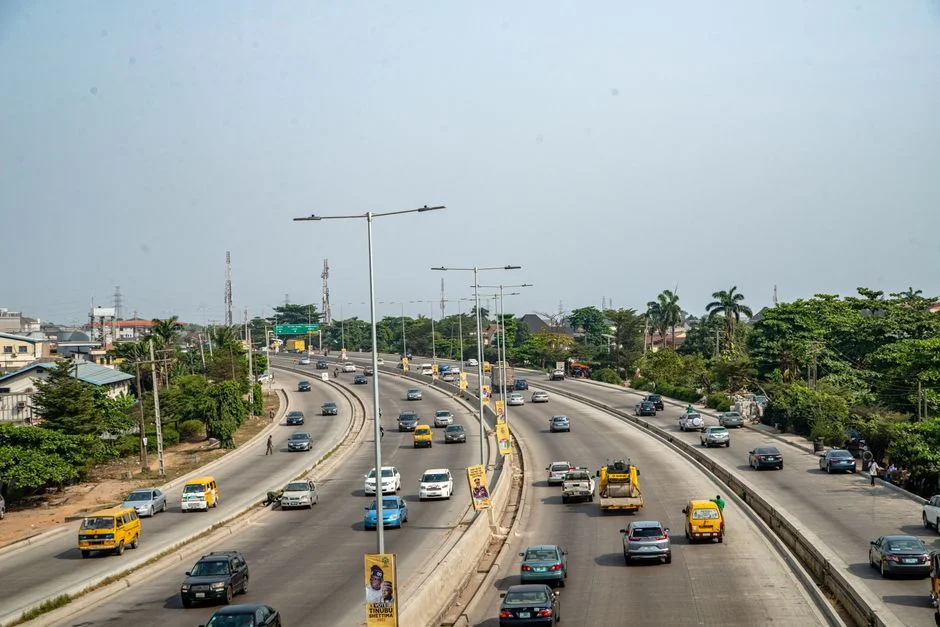
The Nigerian Upstream Petroleum Regulatory Commission confirmed on Wednesday that oil and gas operations across the Niger Delta will continue uninterrupted despite a widespread strike affecting thousands of workers in the sector.
Eno Cobham, Chief Executive Officer of NUPRC, told reporters in Abuja that the commission has activated contingency measures to maintain output levels at existing fields. The assurance comes as unions push ahead with industrial action over unresolved disputes about pay and working conditions.
What Triggered the Strike
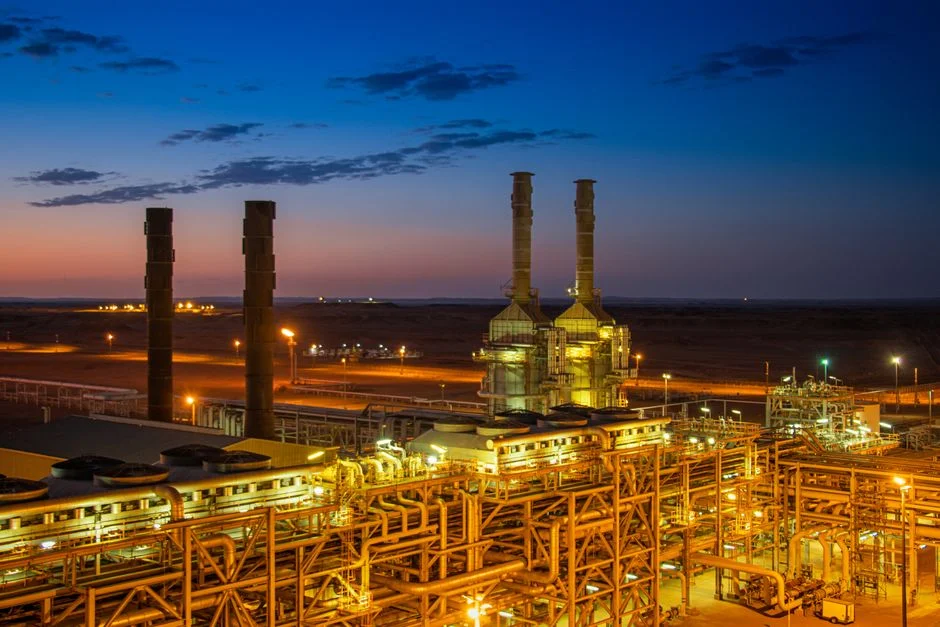
The industrial action began at midnight when three major petroleum unions — the Petroleum and Natural Gas Senior Staff Association of Nigeria, the Nigeria Union of Petroleum and Natural Gas Workers, and the Independent Petroleum Employers — failed to reach agreement with oil companies on a new collective bargaining agreement.
Union leaders say wages have not kept pace with Nigeria's rising cost of living. Inflation hit 28.9 percent in January, and the minimum wage of 30,000 naira per month has purchasing power far below what it commanded five years ago. Workers are demanding a 400 percent pay increase, which operators call unsustainable given global oil price volatility.
Strikes have already affected loading operations at the Bonny Island terminal in Rivers State, where exports averaging 400,000 barrels per day could face disruption if the action extends beyond one week.
NUPRC's Contingency Plan
Cobham stated that the commission invoked Section 11 of the Petroleum Industry Act, allowing regulatory intervention to prevent production shutdowns during national emergencies. The law permits the NUPRC to direct operators to maintain minimum staffing levels during disputes.
In Port Harcourt, Chevron Nigeria confirmed it has deployed supervisory staff to continue operations at its Escravos terminal. TotalEnergies said its operations in OML 58 were running at 85 percent capacity as of Wednesday afternoon. Shell Nigeria, which employs the largest workforce among international operators, declined to specify output levels citing operational security.
Domestic gas supply to the Ibori and Sapele power stations remains unaffected, according to the Transmission Company of Nigeria. This matters because Nigeria relies on gas for roughly 70 percent of its electricity generation.
Why This Matters for Energy Security
Any sustained drop in Nigerian oil output would reverberate across West Africa. The region imports refined petroleum products from Europe at higher cost, and Nigeria's domestic production keeps pump prices more stable than they would otherwise be. A prolonged strike could force the government to spend foreign exchange reserves on emergency fuel imports.
The African Development Bank has noted that Nigeria's oil sector underpins the naira's value. When production falls, the central bank faces pressure to defend the currency against dollar demand for imports. As it stands, Nigeria's crude output stands at 1.5 million barrels per day, and any shortfall above 200,000 barrels would trigger visible effects in the domestic market.
What Workers Are Demanding
Segun, a pump operator at an Agbami floating production vessel, spoke to Vanguard on condition of anonymity. "My rent has doubled since last year. The company says we should be grateful we have jobs. We cannot feed our families on gratitude."
Union officials say the dispute centres on a 2019 agreement that employers have refused to honour. That agreement included hazard pay adjustments and hazard allowances tied to oil price benchmarks. When crude prices rose above $80 per barrel last year, workers expected the adjustments to activate. Instead, companies cited production costs and deferred.
The employers' coalition, represented by the Petroleum Products Pricing Regulatory Agency, argues that implementing the full union demand would add $2.4 per barrel to production costs, making Nigerian crude less competitive against Angolan and Algerian alternatives on the international market.
Government Response and International Reaction
The Ministry of Petroleum Resources issued a statement calling for "responsible dialogue" but stopped short of ordering compulsory arbitration, which would halt the strike under the Trade Disputes Act. Minister of Labour and Employment Oyeniyi Omosuyi invited both parties to a meeting scheduled for Friday in Abuja.
The International Monetary Fund, which concluded a visit to Nigeria last month, noted in its preliminary report that labour market stability in the energy sector was essential for meeting Nigeria's $11 billion financing arrangement targets. Any disruption that reduces oil export earnings could complicate those obligations.
European gas buyers, who rely on Nigerian LNG shipments for winter supply, are monitoring the situation closely. Spot prices at the Title Transfer Facility in the Netherlands rose 3.2 percent on Wednesday in response to the strike news, according to ICE Futures Europe data.
What Happens Next
The Friday meeting in Abuja will determine whether a settlement emerges before the weekend. Union leaders have said they will escalate to a full shutdown by Monday if no agreement is reached. That would affect the Qua Iboe terminal in Akwa Ibom, Nigeria's largest crude export point, handling approximately 450,000 barrels daily.
Industry analysts at FBNQuest said the government's position is delicate. Appearing too sympathetic to oil companies could inflame union anger ahead of next year's general elections. Appearing too accommodating to unions could discourage future investment in the sector.
Eno Cobham is expected to present a production monitoring report to the National Assembly by Thursday. Lawmakers have summoned the NUPRC chief to explain how the commission plans to prevent production collapse if the strike intensifies.
See Also
- India's Extreme Heat Triggers Urgent Climate Action Demands Ahead of COP28
- Egypt Stuns Russia in Friendly Match — What This Means for African Football
What Happens Next The Friday meeting in Abuja will determine whether a settlement emerges before the weekend. Industry analysts at FBNQuest said the government's position is delicate.
What is the latest news about nigeria oil workers strike regulator promises steady production?
Why does this matter for environment-nature?
What are the key facts about nigeria oil workers strike regulator promises steady production?