French President Emmanuel Macron and his Rwandan counterpart Paul Kagame opened a memorial in Paris on Thursday dedicated to victims of the 1994 Rwanda genocide, a landmark moment in Franco-Rwandan reconciliation efforts decades after the atrocities that killed an estimated 800,000 people, most of them Tutsis.
A Memorial Three Decades in the Making
The inauguration ceremony drew survivors, government officials, and diplomats to a quiet corner of the French capital. Macron and Kagame stood side by side as the memorial was unveiled, a visual representation of two nations finally confronting a shared and painful history. The site names the victims and acknowledges the failure of the international community to prevent the massacre.
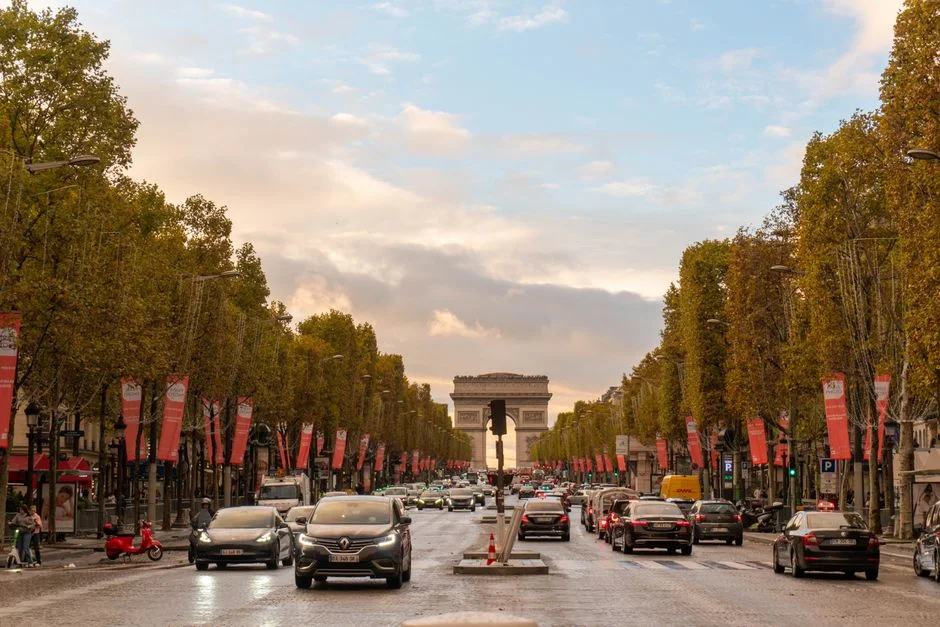
Relations between France and Rwanda had soured significantly in the years following the genocide. Rwanda accused French forces of complicity through their support for the Hutu-led government during the conflict. Paris long maintained it had merely sought to prevent a broader humanitarian catastrophe.
France's Reckoning With Its Colonial Legacy
Thursday's ceremony marks a dramatic shift. Macron has previously acknowledged that France bore "serious" moral responsibility for the genocide, a statement that broke from decades of official French denial. The memorial represents the physical culmination of that political apology.
Survivors who attended the ceremony described the moment as deeply personal. Many had waited years for France to formally acknowledge the scale of the horror and its own role in the events that unfolded in Rwanda during the spring of 1994.
The Road to Reconciliation
The memorial project was years in development. Rwandan and French officials worked together on its design, content, and placement within Paris. The site occupies a prominent location that ensures visitors and passersby cannot ignore its presence. Organisers expect it to become a site of pilgrimage for those seeking to understand one of the 20th century's darkest chapters.
Historians have noted that Thursday's ceremony goes beyond symbolism. It creates an institutional anchor for remembrance, ensuring that future generations of French citizens will have access to accurate information about what occurred in Rwanda.
Continental Implications for African Justice
The Macron-Kagame ceremony carries weight beyond bilateral relations. Across Africa, nations continue to grapple with the legacies of colonialism, ethnic violence, and incomplete reckonings with the past. Rwanda's path from genocide to relative stability has long fascinated policymakers on the continent.
The memorial signals that post-conflict reconciliation is possible even between parties that once accused each other of complicity in mass murder. For African nations watching closely, the French-Rwandan model offers both inspiration and questions about transferability.
Kagame has transformed Rwanda into one of Africa's fastest-growing economies, a fact that complicates simple narratives about post-genocide recovery. His government remains controversial on issues of press freedom and political opposition, a tension that Thursday's ceremony did not fully resolve.
What Comes Next
The memorial will open to the public following Thursday's inauguration. Educational programmes are planned for French schools, with materials developed in partnership between the two governments. A rolling exhibition will feature survivor testimonies and historical documentation.
Analysts will watch whether Thursday's ceremony leads to further concrete steps, including potential legal proceedings against remaining suspects. French courts have previously prosecuted individuals linked to the genocide, and survivors' groups continue to push for accountability.
The memorial's opening coincides with a broader reset in French African policy. Paris has sought to reposition itself as a partner rather than a paternalistic ally, a shift that Thursday's ceremony both exemplifies and tests. Whether the gesture translates into durable change will depend on actions yet to come.
See Also
- Aidan Chidarikire's Legacy: Impact on Zimbabwe's Health and Development Goals
- Joseph Kabila Faces New Arrest Warrant Amid Political Turmoil
A rolling exhibition will feature survivor testimonies and historical documentation.Analysts will watch whether Thursday's ceremony leads to further concrete steps, including potential legal proceedings against remaining suspects. See AlsoAidan Chidarikire's Legacy: Impact on Zimbabwe's Health and Development GoalsJoseph Kabila Faces New Arrest Warrant Amid Political Turmoil
What is the latest news about macron and kagame open paris genocide memorial 30 years after 800000 died?
Why does this matter for politics-governance?
What are the key facts about macron and kagame open paris genocide memorial 30 years after 800000 died?