Ghana's President John Dramani Mahama signed legislation on Friday that imposes criminal penalties on LGBTQ+ activity, triggering panic among affected communities and reigniting fierce debate about human rights in West Africa. The new law represents one of the most far-reaching measures of its kind on the continent and immediately drew condemnation from international observers.
What the Law Establishes
The legislation passed by Ghana's parliament creates offences related to same-sex conduct and organisations supporting LGBTQ+ rights. Under the new framework, individuals found guilty of engaging in LGBTQ+ activity face imprisonment, while groups and advocates may also face legal consequences. Authorities have indicated enforcement will begin immediately, though details on implementation remain unclear.
The government framed the move as consistent with Ghana's cultural and religious values. Officials stated the law reflects the will of the majority of Ghanaians and warned against external pressure to reverse course.
Communities React with Fear
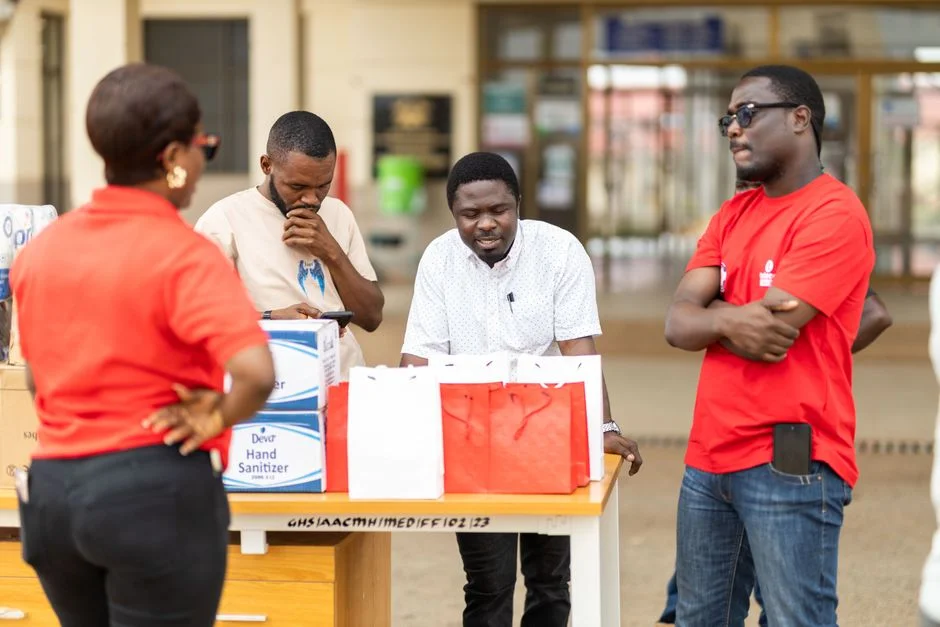
Local community members described a climate of fear following Friday's signing. Reports from Accra indicate some individuals have gone into hiding, while others have destroyed personal documents and contacts that could identify them. Aid workers operating in the capital say they are receiving urgent requests for assistance from people seeking to leave the country.
One advocacy group operating in Ghana, speaking on condition of anonymity, confirmed their operations have effectively halted since the announcement. "People are terrified," the source said. "We are receiving messages around the clock from individuals who do not know what to do or where to turn."
International Response and Pressure
Western governments and international rights organisations have condemned the legislation. Several countries indicated they are reviewing their diplomatic and aid relationships with Ghana in response. The United States State Department issued a statement calling the law a "serious setback" for human rights.
International financial partners have not announced direct consequences yet, but analysts suggest development funding and trade preferences could face scrutiny. Ghana has historically relied on Western support for its development programmes, and economists warn the law could complicate those relationships.
Regional Context Across Africa
Ghana joins a growing list of African nations tightening restrictions on LGBTQ+ activity. Uganda enacted sweeping anti-LGBTQ+ legislation in 2023 that drew significant international backlash and aid suspensions. Nigeria maintains strict laws criminalising same-sex relationships, with penalties including prison sentences.
However, Ghana's action marks a notable shift for a country that has historically been seen as more tolerant than some neighbours. The West African nation previously avoided the level of criminalisation seen in other parts of the continent, and human rights groups had pointed to Ghana as a potential model for gradual social change.
Impact on Ghana's Development Goals
The timing of the legislation raises questions about Ghana's international standing during a period of economic recovery. The country completed a debt restructuring programme and has been seeking increased foreign investment to drive growth. Business leaders have expressed concern that the law could deter multinational companies and skilled workers from considering Ghana as a destination.
Civil society organisations warn the legislation will drive talent out of the country and damage Ghana's reputation as a stable democracy. The Ghanaian Chamber of Commerce has not issued a public statement, but private sector sources suggest unease among companies with international workforces.
Legal Challenges and Next Steps
Constitutional lawyers in Ghana are examining whether the legislation conflicts with fundamental rights provisions in the country's supreme law. Challenges are expected, though the timeline for judicial review remains uncertain. The Supreme Court of Ghana will ultimately determine whether the law withstands constitutional scrutiny.
What to watch: courts will likely face petitions challenging the law's constitutionality within weeks. International pressure is expected to intensify, and Western diplomatic missions have scheduled consultations with Ghanaian officials. The behaviour of enforcement agencies in the coming days will determine the immediate impact on affected populations.
See Also
- BetKing TV Launches in Lagos, Reshaping Nigeria's Media Landscape
- Dr Kgosientsho Ramokgopa Leads Nigeria at Africa Energy Indaba — what it means for development
What is the latest news about ghana criminalises lgbtq activity communities describe widespread panic?
Why does this matter for politics-governance?
What are the key facts about ghana criminalises lgbtq activity communities describe widespread panic?