The High Court in London confirmed on Monday that the UK government is not obligated to pay Rwanda £100 million related to the controversial asylum seeker relocation scheme. This ruling comes after legal challenges that questioned the viability and ethics of the agreement, which aimed to send asylum seekers to Rwanda for processing.
Details of the Ruling
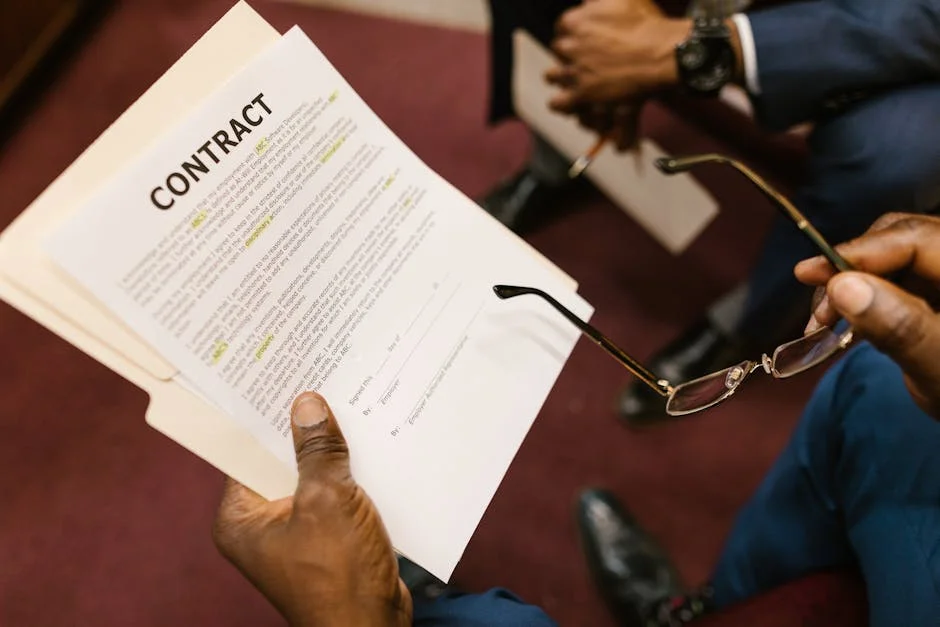
The case centred on the UK-Rwanda partnership established in April 2022, which intended to deter illegal immigration by facilitating the relocation of asylum seekers. However, the scheme suffered multiple setbacks, including legal challenges arguing that the plan posed risks for the individuals involved. The £100 million payment was set to be the initial instalment under this agreement.
Implications for Asylum Policies
This decision raises critical questions about the future of the UK’s asylum policies, particularly in light of rising migration challenges across Europe. The UK government aims to reduce the number of individuals crossing the English Channel in small boats, a topic that has dominated political discourse.
Rwanda's Position in the Global Arena
The ruling provides Rwanda with a mixed outcome, as it continues to project its image as a nation open to international cooperation on migration issues. As Rwanda becomes increasingly involved in the management of migration, the new circumstances may create both opportunities and challenges for the country.
African Development and Migration
From an African perspective, this ruling could influence regional migration patterns and development goals. Countries like Nigeria and Kenya closely watch how Rwanda navigates its relationship with the UK, as the implications may filter through to broader discussions on governance, economic growth, and human rights within the region.
The Role of International Aid
This situation also highlights the importance of international aid in Africa. As nations grapple with development goals, the funding associated with such agreements can be crucial for infrastructure and health initiatives. Rwanda's ability to attract partnerships depends significantly on its adherence to international standards regarding human rights and governance.
The View from the Labour Party
The Labour Party in the UK has voiced strong opposition to the Rwanda scheme, labelling it as inhumane and ineffective. A spokesperson stated that the ruling confirms their stance that the government should focus on safe and legal routes for asylum seekers rather than punitive measures. This opposition reflects ongoing debates over immigration policy within the UK.
Continental Challenges and Opportunities
The decision from the High Court underscores the complexities of migration management in Africa and Europe. Rwanda's experience may serve as a case study for other African nations considering similar agreements, prompting discussions on sovereignty, aid dependency, and migration management.
What’s Next for Rwanda?
As Rwanda navigates the aftermath of this ruling, observers should watch for potential shifts in its migration policy and its ongoing relations with Western nations. The Rwandan government may seek to reposition itself within the context of African development goals, where migration management remains a critical issue.
Upcoming discussions at international forums could further shape the migration landscape in Africa, with Rwanda potentially playing a pivotal role in defining future agreements that balance national interests with humanitarian obligations.
See Also
- Iranian Blogger Reveals Harrowing War Experiences — What Nigeria Can Learn
- Political Analyst Warns of Iran War Fallout for the Red Sea — Risks for Africa Explored