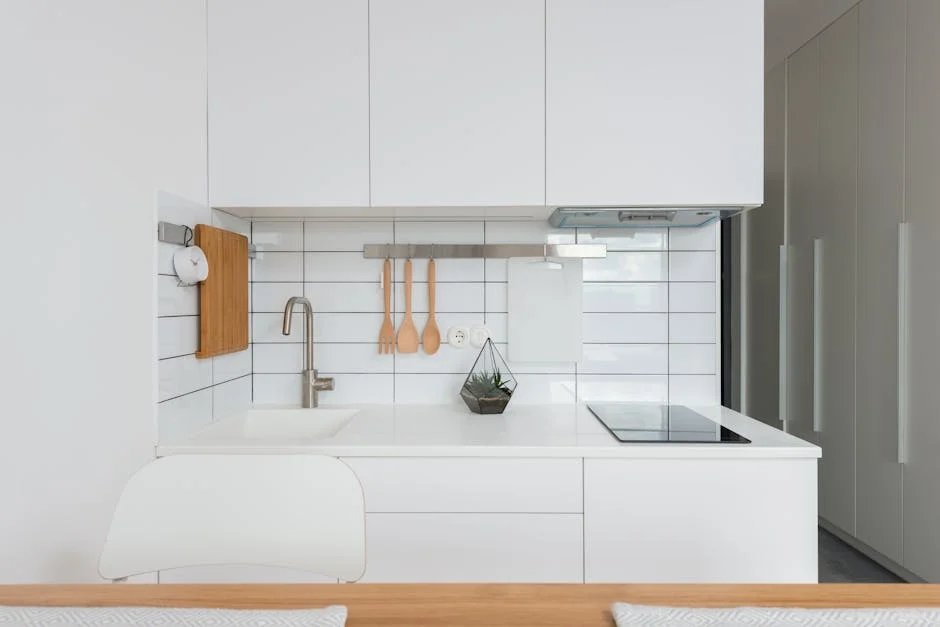
As housing costs rise, many South Africans are opting for smaller homes, reshaping the real estate landscape. A recent report indicates that interest in properties under 80 square metres has surged by 30% over the last year, particularly in urban centres like Johannesburg. This trend reflects changing economic priorities, with more families prioritising affordability and location over space.
Rising Housing Costs Drive Change
The cost of living in South Africa has been on the rise, driven by inflation, increased utility costs, and a struggling economy. According to the South African Reserve Bank, the consumer price index reached 6.5% in August 2023, further squeezing household budgets. Many families now feel compelled to choose smaller living spaces as a way to allocate resources effectively towards education and healthcare.
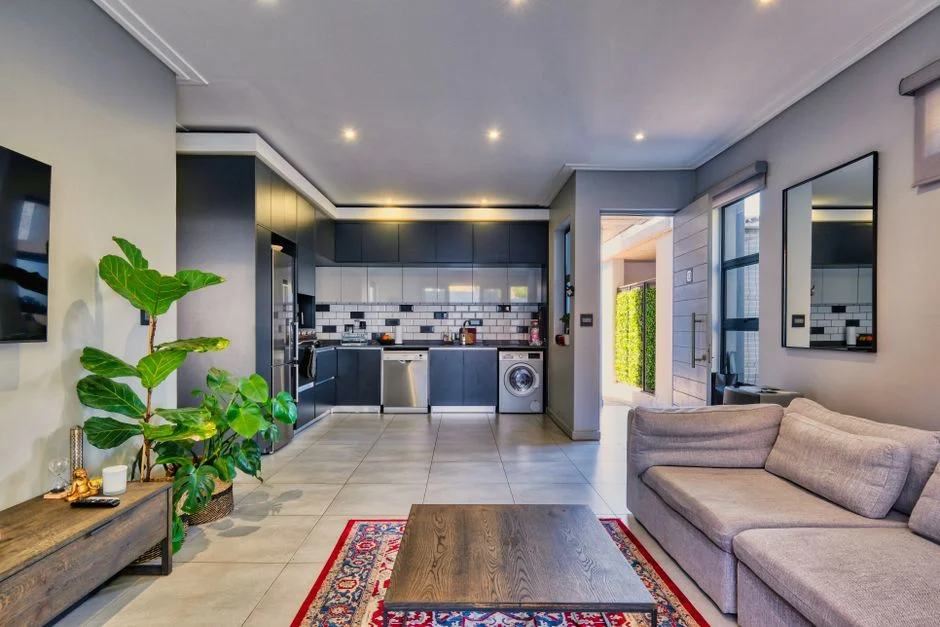
Johannesburg, the largest city in South Africa, has seen a notable increase in demand for smaller units. The average price for homes under 80 square metres has plummeted from R1.5 million to R1.1 million, making them more accessible to a broader range of buyers. This shift is not just about costs; it is also reflective of evolving lifestyles as more individuals seek convenience and proximity to their workplaces.
Environmental Sustainability and Urban Planning
Experts suggest that the downsizing trend aligns with broader sustainability goals. Smaller living spaces often require fewer resources, translating into lower carbon footprints. The City of Johannesburg's environmental initiatives aim to encourage compact living, promoting efficient land use and reducing urban sprawl.
Furthermore, smaller homes contribute to the increased availability of housing, addressing the pressing issue of affordability. As urbanisation continues, city planners recognise the need for innovative housing solutions that cater to a growing population without compromising environmental integrity.
Impact on Family Dynamics and Lifestyles
As South Africans adapt to smaller living spaces, family dynamics are also experiencing changes. Smaller homes can foster closer family ties, yet they also challenge households to maximise limited space creatively. Many families are now investing in multifunctional furniture and smart storage solutions to enhance their living experience.
This shift opens opportunities for businesses in the home improvement and furnishings sector. Companies focusing on compact living solutions are set to thrive, meeting the demands of a market that increasingly values functionality over size.
Challenges Ahead for the Real Estate Market
Despite the upward trend in smaller homes, the South African real estate market faces significant challenges. Developers must navigate bureaucracy, rising construction costs, and a scarcity of affordable land. The National Association of Realtors in South Africa cautions that while smaller units are in demand, there is a potential over-saturation of the market if the trend continues unchecked.
Additionally, the quality of smaller homes must not be compromised in the race for affordability. Striking a balance between cost, sustainability, and livability is crucial for long-term success in this evolving market.
What’s Next for the Housing Market?
Looking ahead, South Africans can expect continued exploration of innovative housing solutions that cater to compact living. As urban areas become more congested, city officials will need to develop policies that support this shift while ensuring sustainable growth.
Upcoming initiatives include the launch of the Affordable Housing Initiative scheduled for early 2024, which aims to provide incentives for developers focusing on compact housing plans. Citizens should watch for policy changes and funding opportunities that promote affordable and sustainable housing.
See Also
- Sensex Slashes 829 Points as Energy Crisis Intensifies - What Does It Mean for Africa?
- Continental Transitions to Sustainable Energy in Tyre Production: What It Means for Africa
Companies focusing on compact living solutions are set to thrive, meeting the demands of a market that increasingly values functionality over size.Challenges Ahead for the Real Estate MarketDespite the upward trend in smaller homes, the South African real estate market faces significant challenges. As urbanisation continues, city planners recognise the need for innovative housing solutions that cater to a growing population without compromising environmental integrity.Impact on Family Dynamics and LifestylesAs South Africans adapt to smaller living spaces, family dynamics are also experiencing changes.
What is the latest news about south africans shift to smaller homes a new housing trend emerges?
Why does this matter for environment-nature?
What are the key facts about south africans shift to smaller homes a new housing trend emerges?