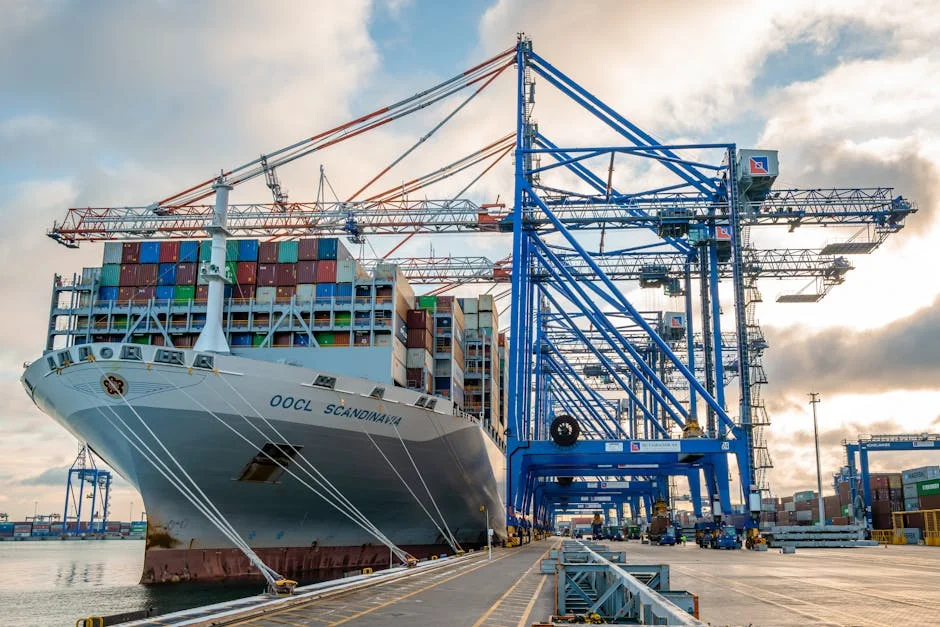
The South African government has set the official petrol price for June 2026 at $1.50 per litre, marking a significant increase from previous months. This change, announced by the Department of Mineral Resources and Energy on May 30, comes amid rising global oil prices and local inflationary pressures. The new price is expected to have wide-ranging implications, not just for South Africa but also for its neighbours, particularly Nigeria.
Context Behind the Price Increase
Oil prices have been rising steadily due to a combination of factors, including geopolitical tensions and production cuts by OPEC+ nations. South Africa has seen its petrol prices increase by 20 cents per litre since May, a trend that analysts believe will continue. The South African government attributed the increase to a weaker rand and higher international oil prices, which have surged to approximately $80 per barrel.
Impact on Regional Economies
This price hike is expected to affect South Africa's economy heavily and may have spillover effects on Nigeria, which relies significantly on oil imports to meet its fuel needs. As petrol prices rise, the cost of transportation and goods is likely to increase, contributing to higher inflation rates in Nigeria. The local economy, which is still recovering from the impacts of the recent pandemic, could face additional strain.
Nigeria's Economic Outlook
Nigeria recorded inflation rates of around 18% in April 2026, and the rising costs of fuel could exacerbate the situation. Experts warn that if the trend continues, Nigeria may see increased unrest and dissatisfaction among citizens due to the rising cost of living. The Nigerian government will need to address these challenges promptly to avoid widespread discontent.
Opportunities for Alternative Energy Sources
With petrol prices on the rise, there is a growing opportunity for investment in alternative energy sources across Africa. Countries like Nigeria could benefit from investing in renewable energy to reduce dependency on imported fuels. The African Union has set ambitious goals for renewable energy, aiming to reduce carbon emissions while creating sustainable jobs. This shift could provide economic opportunities in the renewable energy sector, which is increasingly seen as a viable alternative to fossil fuels.
Governance and Policy Responses
As South Africa navigates these economic challenges, its government is under pressure to implement policies that stabilise petrol prices and support citizens. The South African government has initiated discussions about potential subsidies to mitigate the impact of soaring prices on low-income households. Similarly, Nigeria may need to consider policy adjustments in response to fuel price fluctuations.
The Broader African Development Goals
The rise in petrol prices intersects with the African Union's broader development goals, which focus on fostering economic stability and reducing poverty across the continent. As fuel costs rise, both South Africa and Nigeria must align their economic strategies with these goals to ensure sustainable development. Collaboration between countries could enhance regional energy security and economic resilience.
What to Watch Next
As June approaches, stakeholders should monitor the developments surrounding fuel prices and government policies in South Africa and Nigeria. Key upcoming events, including budget announcements and energy conferences, will provide insights into how these nations are addressing the challenges posed by rising fuel costs. Watch for potential shifts in policy that may arise as both countries navigate this complex economic landscape.
See Also
- Suns vs Trail Blazers Play-In Showdown Could Boost SG Sports Investment
- Wizkid Shatters 11 Billion Spotify Records for Africa