Nigeria's indigenous game, Abula, is gaining traction as it seeks international recognition and aims to elevate Yoruba cultural heritage. The game, a traditional pastime for many Yoruba communities, showcases athleticism and strategy. As the competition prepares for its upcoming international debut in December 2023, it captures the attention of sports enthusiasts and cultural advocates alike.
Abula: A Deep Dive into Yoruba Culture
Originating in the southwestern region of Nigeria, particularly among the Yoruba people, Abula represents more than just a game; it reflects a rich cultural heritage. Abula players engage in a fast-paced contest that requires agility and tactical thinking. With each match, participants not only compete for victory but also preserve and promote their cultural identity.
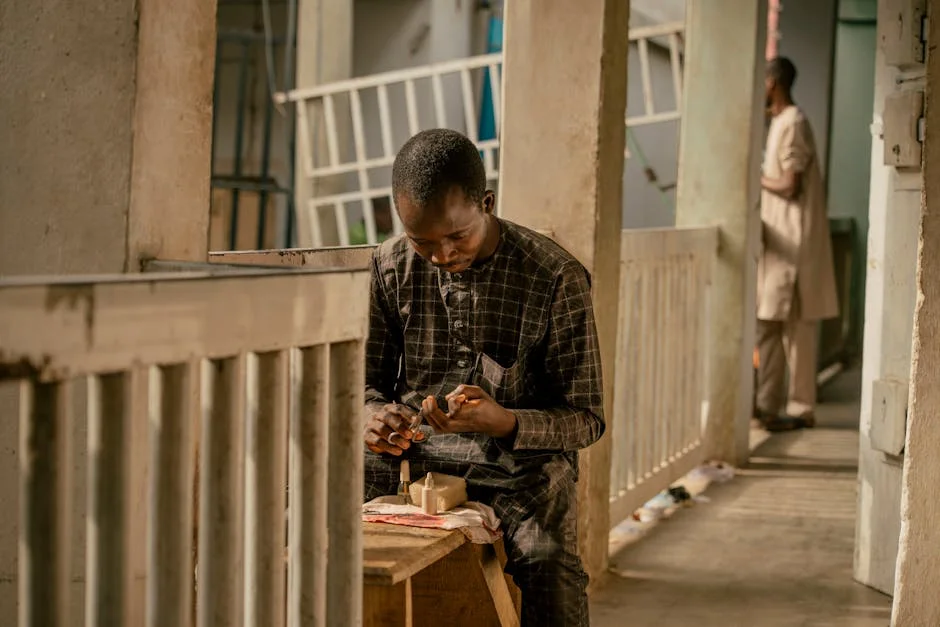
The game has garnered a following in cities like Ibadan and Lagos, where communities have rallied behind local teams. In Ibadan, competitions are held regularly, attracting crowds and fostering a sense of community. As Abula gains popularity, it is also being seen as a potential sports tourism magnet, with plans to host international events that could draw visitors from around the globe.
Government Support and Initiatives
The Nigerian Ministry of Youth and Sports Development has acknowledged the significance of Abula in promoting Yoruba culture. In October 2023, the ministry announced support for the national championship set to take place in Lagos. This initiative aligns with Nigeria's broader goals of promoting local sports, fostering national pride, and enhancing cultural awareness among youth.
By investing in traditional sports like Abula, the Nigerian government aims to stimulate economic growth through tourism and cultural events. This investment in indigenous games creates job opportunities, encourages entrepreneurship, and supports local artisans who produce traditional sports equipment.
Challenges Facing Abula's Growth
Despite its rising popularity, Abula faces challenges. Limited funding and infrastructure development hamper the growth of the sport. Additionally, there is a pressing need for systematic training programs to nurture talent. Without these resources, the cultural gem may struggle to reach its full potential.
Furthermore, competition from other mainstream sports such as football and basketball poses a threat. While these sports enjoy massive commercial backing and global visibility, Abula must carve a niche to attract sponsorship and media attention.
Opportunities for Development
The growing interest in Abula presents opportunities for local businesses and entrepreneurs. Sportswear companies can collaborate with local artisans to produce authentic gear, while restaurants may cater to fans during tournaments by showcasing traditional Yoruba cuisine.
Moreover, integrating Abula into educational curricula can promote awareness among younger generations. Schools can organise Abula tournaments, fostering respect for cultural heritage and teamwork. This approach aligns with Nigeria's development goals, which emphasise education and cultural preservation.
Looking Ahead: The Future of Abula
As the December championship approaches, stakeholders are keenly watching the developments surrounding Abula. The event is expected to draw significant media coverage, potentially attracting sponsorship deals that could elevate the game's profile. Observers are optimistic that a successful championship could lay the groundwork for future international competitions.
Looking ahead, the continued promotion of Abula as a symbol of Yoruba culture could play a crucial role in Nigeria's cultural diplomacy. By embracing traditional sports, Nigeria can showcase its rich heritage on the global stage, making a mark in the international sports arena.
The event is expected to draw significant media coverage, potentially attracting sponsorship deals that could elevate the game's profile. Limited funding and infrastructure development hamper the growth of the sport.