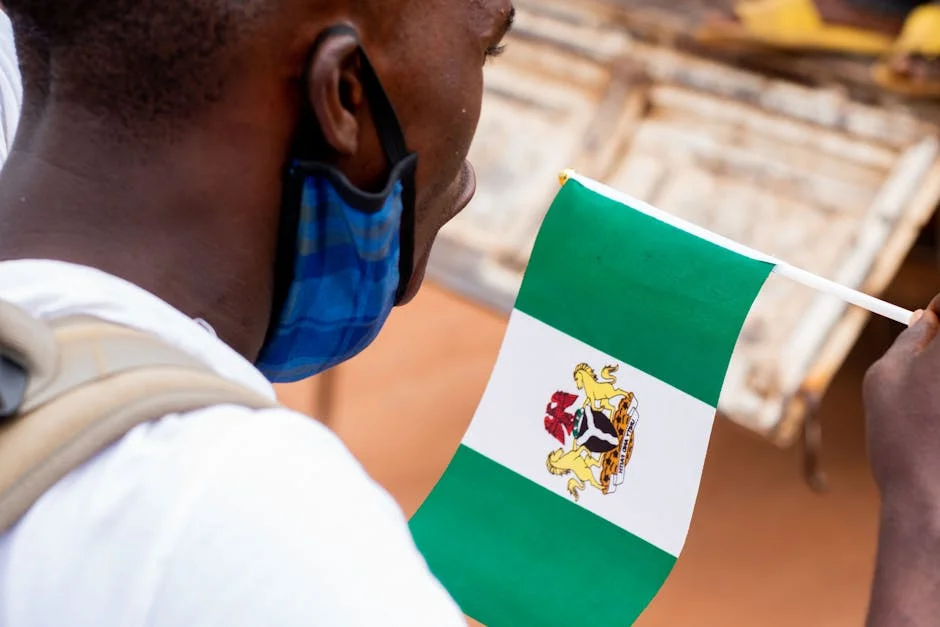
Nigeria's government has unveiled a bold $1 billion initiative aimed at revitalising its education sector by the end of 2026. The announcement made on June 1, 2026, by the Minister of Education, Adamu Adamu, comes in response to alarming statistics showing that over 10 million Nigerian children are out of school.
New Educational Policies Addressing Critical Issues
The initiative aims to tackle the underlying issues that have contributed to this crisis, including inadequate infrastructure, teacher shortages, and a lack of learning resources. Adamu emphasised that the funds will focus on building modern classrooms and hiring qualified teachers across the country.
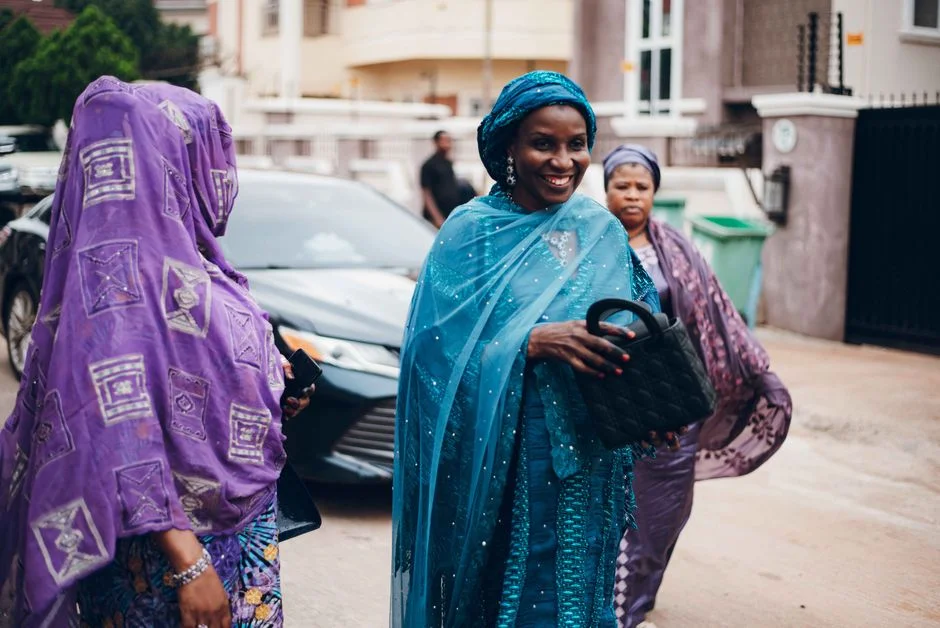
Moreover, the Nigerian government plans to implement digital learning programmes, which will further enhance education delivery, especially in rural areas. This multifaceted approach is designed to meet the United Nations Sustainable Development Goal of ensuring inclusive and equitable quality education.
Continental Challenges Impacting Development Goals
Across Africa, numerous nations are grappling with similar challenges that impede educational progress. The African Union's recent meeting in Addis Ababa on May 28, 2026, underscored the urgency of addressing educational deficits continent-wide. More than 50 million children are estimated to be out of school in Africa, according to a report from UNICEF.
During the meeting, leaders discussed strategies for pooling resources and sharing best practices. Delays in reaching educational goals not only affect individual countries but also hinder the continent's overall development. The African Union's education programme aims to align with the Agenda 2063 vision, which promotes education as a cornerstone for sustainable economic growth.
Health Sector Reforms in Focus
Besides education, health reforms are also at the forefront of Africa's development agenda. The African Development Bank has allocated $2.5 billion to bolster health systems across the continent as part of its response to ongoing medical challenges, such as the COVID-19 pandemic.
In Nigeria, Minister of Health, Osagie Ehanire, confirmed that a significant portion of these funds will support immunisation drives and maternal health programmes, directly addressing Nigeria's high maternal mortality rate, which stands at 512 deaths per 100,000 live births.
Opportunities for Economic Growth
These educational and health initiatives present significant opportunities for economic growth in Nigeria and elsewhere in Africa. Improvements in education will likely lead to a more skilled workforce, essential for attracting foreign investment. Moreover, better health outcomes can enhance productivity, allowing more individuals to participate in the economy.
Investors are already paying attention. The recent $1 billion initiative has attracted interest from multinational corporations, eager to partner with the Nigerian government in financing and implementing educational projects.
What to Watch in the Coming Months
Looking ahead, stakeholders will closely monitor the initiative's rollout and effectiveness. The Nigerian government plans to release a detailed action plan by July 2026, outlining specific goals and timelines for the education sector.
Furthermore, implications from the African Union's recent climate discussions will also be observed, particularly as various countries work to address the impacts of climate change on food security and health. As June unfolds, watch for further developments on educational reforms and collaborative efforts across the continent aimed at enhancing Africa's growth trajectory.