Health workers in the Democratic Republic of Congo (DRC) are on the frontline battling the latest Ebola outbreak in Bundibugyo, a region notorious for its recurrent disease challenges. The outbreak, which was confirmed last month, poses significant challenges to local healthcare systems already strained by years of conflict and inadequate resources.
Current Ebola Situation in Bundibugyo
As of this week, the DRC's Ministry of Health reported 14 confirmed cases of Ebola, highlighting the urgency of the situation. Bundibugyo, located in the northwestern part of the country, has experienced multiple outbreaks since the virus was first identified in 1976. Health officials are implementing rapid response measures to contain the spread.
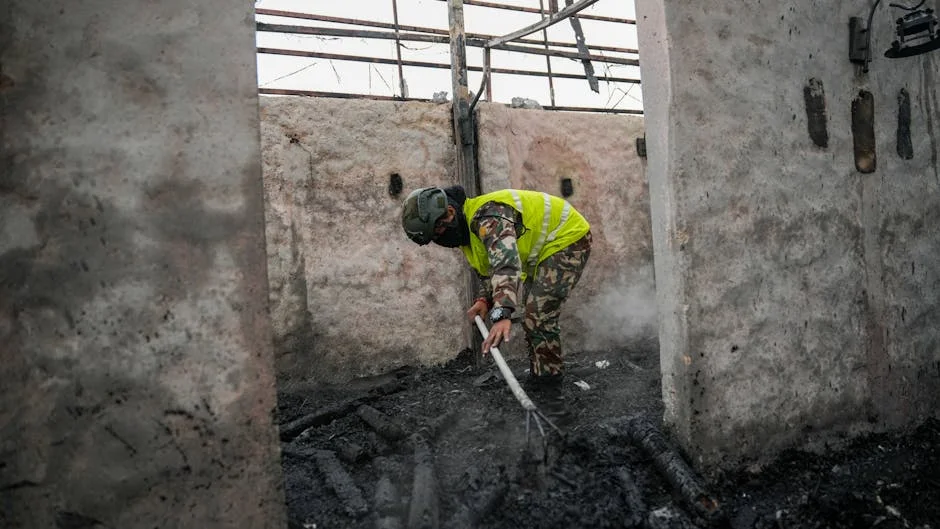
The World Health Organization (WHO) has deployed additional personnel and resources to assist local efforts. Experts emphasise that early detection and prompt treatment are crucial to reducing mortality rates, which can be as high as 90% without intervention. With a population of approximately 80,000, Bundibugyo’s small healthcare infrastructure is tested daily.
Health Workers Implement Safety Measures
Local health workers are employing stringent safety protocols to protect themselves and their patients while treating individuals suspected of being infected with the virus. They are utilising personal protective equipment (PPE), including masks, gloves, and gowns, to minimise the risk of transmission.
Dr. Claire Mbala, the head of the DRC’s Ebola response team, noted in recent remarks, "The safety of our healthcare staff is paramount. Without them, we cannot fight this outbreak effectively." Training sessions are regularly held to ensure that all personnel are knowledgeable about the latest safety measures and treatment procedures.
Challenges & Opportunities for Health Development
The ongoing Ebola crisis underscores significant health system challenges in the DRC, including insufficient funding and inadequate infrastructure. Over the years, the DRC has faced obstacles in developing a robust healthcare system, making it vulnerable to infectious diseases.
However, this situation presents an opportunity for both local and international stakeholders to invest in health infrastructure. The DRC government is calling for increased funding from international partners to enhance healthcare capabilities and promote long-term development plans that align with the African Union's health objectives.
Regional Implications and Nigeria's Interest
The impact of the Ebola outbreak in the DRC extends beyond its borders, particularly affecting Nigeria due to increased travel and trade within the region. Nigerian health authorities are closely monitoring the situation to prevent a similar outbreak from entering their country.
In a recent health update, Nigeria's Minister of Health stressed the importance of surveillance and quick response mechanisms to infectious diseases, highlighting that the country has learned from past Ebola outbreaks. This proactive approach is vital as regional cooperation could help mitigate the risk of future health crises.
What Lies Ahead for Health Workers in the DRC
As health workers continue their efforts to control the Ebola outbreak in Bundibugyo, the DRC faces a pivotal moment in strengthening its health systems. The government aims to implement a comprehensive health strategy by the end of the year, focusing on both immediate responses to outbreaks and the long-term development of healthcare infrastructure.
Stakeholders and health officials urgently await the results of ongoing vaccination campaigns and treatment efficacy studies. Their success could signal a turning point not only for the DRC but for the entire African continent in the fight against Ebola and other infectious diseases.
See Also
- MSF Warns Ebola Outbreak in Congo Surges — Health System Faces Critical Tests
- Nigeria Tightens Airport, Border Screening as Ebola Cases Surface
What is the latest news about congo health workers combat ebola outbreak while ensuring safety protocols?
Why does this matter for health-medicine?
What are the key facts about congo health workers combat ebola outbreak while ensuring safety protocols?