The Democratic Republic of Congo has initiated a clinical trial involving approximately 250 individuals who were exposed to the rare Bundibugyo virus. The primary objective of this medical intervention is to determine if the new drug can effectively prevent these individuals from contracting the disease. This development marks a direct response to the specific risks posed by this distinct viral strain in the region.
Immediate Trial Details and Scope
The trial focuses on a specific cohort of 250 participants who have all shared exposure to the Bundibugyo virus. This virus is a variant of the broader Ebola family, which has historically caused significant health disruptions across Central and West Africa. The participants are currently receiving the experimental treatment to assess its efficacy in stopping the virus from taking hold in their systems. The scope of the trial is tightly defined, targeting only those with confirmed or highly probable exposure to this specific strain.
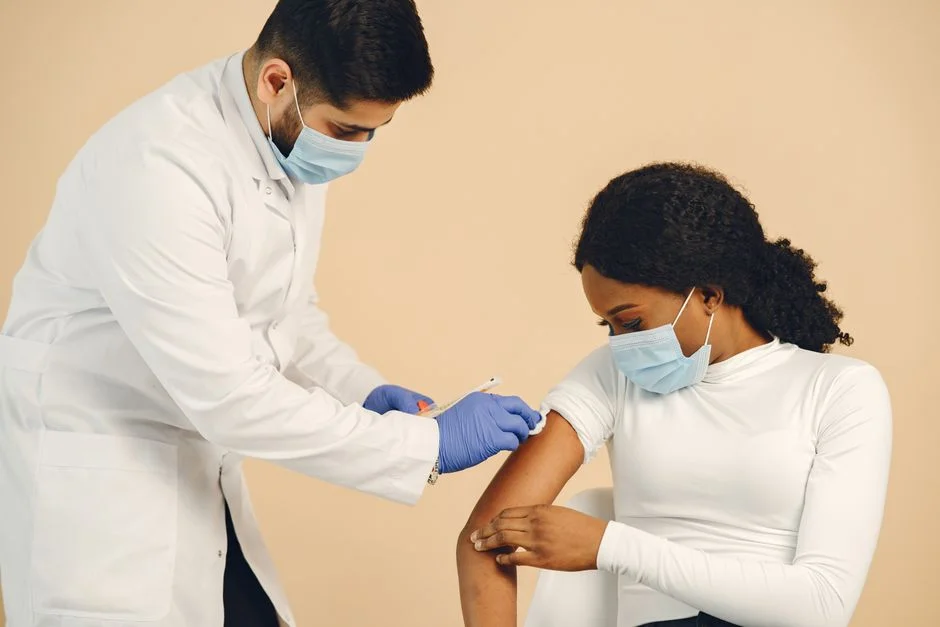
Health authorities in the DRC are overseeing the administration of the drug to this group. The goal is to gather concrete data on whether the intervention can serve as a viable preventive measure. This approach differs from traditional treatment methods that focus on curing patients after symptoms appear. Instead, the trial tests the drug's ability to block the virus entirely in exposed individuals. The results from this group will provide critical insights into the drug's potential for broader use.
The Bundibugyo virus, first identified in Uganda, is known for its lower transmission rate compared to other Ebola variants but its potential for severe illness remains. By targeting those already exposed, the trial aims to reduce the secondary spread of the virus within communities. This method could significantly alter how outbreaks are managed in dense population centers. The success of this trial could establish a new standard for post-exposure prophylaxis in the region.
Local health workers are monitoring the participants closely for any side effects or signs of infection. The data collected will help determine the optimal dosage and timing for the drug. This information is crucial for scaling up the treatment if the trial proves successful. The DRC health sector is relying on this trial to strengthen its toolkit against viral threats.
Regional Implications and Future Outlook
The Bundibugyo virus presents a unique challenge for regional health security. Its rarity means that many healthcare systems have limited experience managing it. The trial in the DRC could provide a model for other countries in the region facing similar threats. If the drug proves effective, it could be deployed more broadly to contain future outbreaks. This would reduce the burden on hospitals and limit the economic impact of quarantine measures.
For Nigeria and other West African nations, understanding the Bundibugyo impact on Nigeria is essential for preparedness. While the virus is primarily associated with Central Africa, increased travel and trade routes mean that cross-border transmission is always a possibility. The Bundibugyo explained context shows that while less deadly than some variants, it still requires robust surveillance. The Bundibugyo developments explained in this trial highlight the importance of rapid medical response.
The Ebola latest news often focuses on the more common Zaire ebolavirus, but the emergence of variants like Bundibugyo requires distinct strategies. The Ebola analysis Nigeria should consider how these variants might affect border health checks. The why Ebola matters for regional stability lies in its potential to disrupt trade and travel. A successful trial could lead to faster containment of outbreaks, minimizing these disruptions.
Health experts are watching the trial results closely. The outcome will determine whether this drug becomes a standard part of the regional health arsenal. The DRC's approach could influence how other nations allocate resources for viral preparedness. The trial represents a proactive step in managing the evolving landscape of viral threats in Africa.
The next phase of the trial will involve a detailed analysis of the participants' health outcomes over the coming weeks. Results are expected to be published in the near future, which will guide future health policies. Stakeholders will monitor these findings to adjust their own preparedness strategies accordingly.
See Also
- Ebola Survivor Urges Speed in Response — Critical Lessons for West Africa's Health System
- Danish Couple Unveils Groundbreaking Vaccine Research Amidst Global Health Debate
The Bundibugyo developments explained in this trial highlight the importance of rapid medical response. This would reduce the burden on hospitals and limit the economic impact of quarantine measures.