The World Health Organization (WHO) has raised alarms about Africa's readiness for future pandemics, stressing the urgent need for comprehensive measures to bolster health systems across the continent. In a new report released on October 5, 2023, WHO Director-General Tedros Adhanom Ghebreyesus called for immediate action, highlighting the lessons learned from the COVID-19 crisis.
Current Pandemic Preparedness in Africa
African countries have made some progress in health system reforms since the onset of COVID-19, but significant gaps remain. According to a WHO assessment, only 30% of African nations have adequate pandemic response plans in place. This unpreparedness is alarming given that the continent still grapples with the health impacts of the recent pandemic.
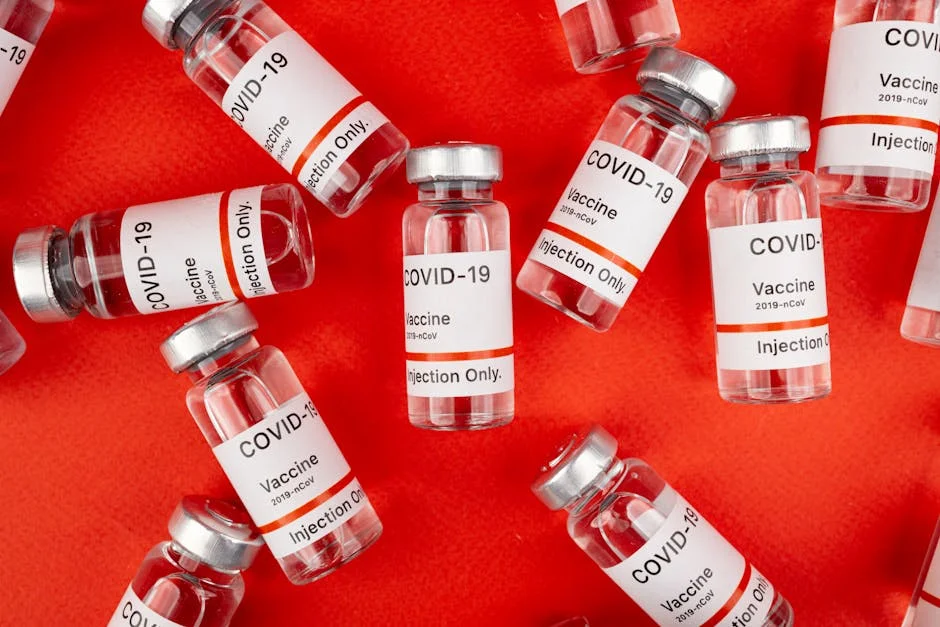
Countries such as Nigeria, which reported over 250,000 confirmed COVID-19 cases, illustrate the weaknesses in public health infrastructure and response capabilities. The lack of investment in healthcare and insufficient stockpiles of medical supplies pose serious risks for the future.
Investment Needs and Infrastructure Challenges
To address these challenges, WHO emphasises the need for increased investment in health infrastructure. A report suggests that Africa requires an estimated $12 billion annually to adequately prepare for pandemics. Governments must prioritise this funding to avoid similar crises in the future.
In Nigeria, for instance, the Ministry of Health has indicated the necessity of upgrading hospitals and enhancing disease surveillance systems. The absence of robust infrastructure not only hinders immediate response but also affects long-term economic resilience and stability.
Education and Training Initiatives
Apart from funding, WHO underscores the importance of education and training for healthcare workers. Over 60% of health professionals in Africa lack the necessary training to handle pandemic situations effectively, leading to a shortage of expertise during health emergencies.
In response, initiatives aimed at providing specialised training for health professionals are essential. Collaborations with universities and international health organisations could lay a strong foundation for building health workforce capacity.
Governance and Policy Implementation
Governance plays a vital role in pandemic preparedness. The WHO has noted that only 15 African countries have implemented comprehensive health policies that include pandemic readiness as a key component. This lack of political will can severely undermine efforts to enhance health system resilience.
Countries need to establish regular reviews of health policies and ensure compliance with established health protocols. Effective governance frameworks may facilitate better resource allocation and improve public trust in health institutions.
Potential Economic Impact
The economic ramifications of being unprepared for future pandemics are severe. A study estimates potential losses for African economies could exceed $500 billion if a major health crisis strikes without adequate preparedness. This figure includes the costs of health care, lost productivity, and disrupted trade.
For nations like Nigeria, which relies heavily on oil exports and agricultural products, an unpreparedness scenario could lead to decreased export revenues and increased import dependencies, pushing more citizens into poverty.
Looking Ahead: What Needs to Change
As the world grapples with the ongoing effects of COVID-19, it is imperative for African nations to adopt immediate steps towards bolstering pandemic preparedness. Increased funding, focused education initiatives, and robust governance mechanisms must be prioritised.
In the coming months, WHO plans to convene a summit in Nairobi to address these issues, fostering collaboration among African nations to create a stronger, more unified health response strategy. This summit will be crucial in determining how countries can work together to prevent the next pandemic crisis.
See Also
- Lorient vs Marseille: GB Analysis Sparks Nigerian Debate
- Oscar-Nominated ‘The Devil Is Busy’ Exposes Georgia Clinic Crisis — What it Means for Health Access