Health experts convened by the World Health Organization (WHO) have gathered to discuss candidate treatments and vaccines for the Ebola virus disease caused by the Bundibugyo virus. This meeting, held in Geneva, Switzerland, marks a crucial step in addressing the ongoing health challenges posed by Ebola, particularly in the Democratic Republic of the Congo (DRC), where the virus has a history of outbreaks.
Importance of Candidate Treatments
During the recent meeting, participants reviewed several candidate therapies that have shown promise in preclinical and early-phase clinical trials. Among the treatments discussed were monoclonal antibodies and antiviral drugs that target the virus more effectively. Dr. Moeti Matshidiso, WHO Regional Director for Africa, emphasized the urgent need for effective treatments as the DRC remains on high alert for potential outbreaks.
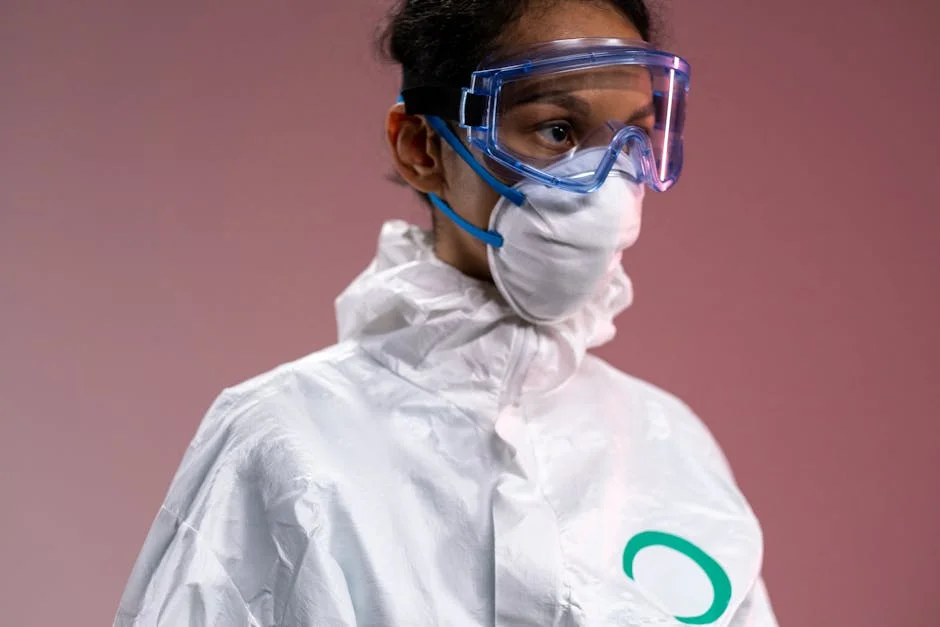
Bundibugyo virus is one of several strains of the Ebola virus, and outbreaks can lead to significant loss of life. The WHO’s focus on developing treatments reflects a broader commitment to improving health outcomes across the region. This initiative aligns with African development goals that aim for universal health coverage and strengthened health systems by 2030.
Context of Ebola in Africa
The DRC has witnessed numerous Ebola outbreaks since the disease was first identified in 1976, with the Bundibugyo virus accounting for several of those incidents. The most recent outbreak in 2020 resulted in 12 confirmed cases and 6 deaths, highlighting the persistent threat the virus poses to public health. Each outbreak strains healthcare resources and limits access to essential services.
In addition to its direct health impacts, Ebola outbreaks have broader socio-economic consequences, including diminished productivity and decreased foreign investment. The continent's health systems are often overwhelmed by the demands of managing such outbreaks, which further complicates efforts to achieve health goals set by the African Union and WHO.
Opportunities for Collaboration
WHO's convening of experts presents an opportunity for enhanced collaboration among African nations. Sharing research and resources can foster innovation and lead to quicker responses in crisis situations. The meeting underscored the importance of developing regional capacities for disease surveillance and outbreak response.
As countries work towards achieving health-related Sustainable Development Goals (SDGs), bolstering research and development capabilities becomes essential. Collaborative efforts can lead to the establishment of shared laboratories and clinical trial networks, particularly in regions most affected by Ebola.
Funding and Resource Allocation
Implementation of candidate treatments will require significant funding and resource allocation. The WHO has called for increased investment in public health initiatives to ensure that countries are prepared to respond swiftly to future outbreaks. Current funding for the global health response remains inadequate, with experts estimating that at least $7 billion is needed to strengthen health systems in the wake of past Ebola outbreaks.
In Nigeria, for example, an enhanced focus on healthcare infrastructure and emergency preparedness is vital. Ensuring a robust health system can mitigate the risks associated with potential outbreaks crossing into West Africa.
Looking Ahead
The WHO’s ongoing efforts to develop treatments and vaccines against the Bundibugyo virus reflect a proactive approach to infectious disease management. As the meetings conclude, countries must remain vigilant and ready to implement these findings. Public health officials, researchers, and governments will need to work collaboratively to ensure that effective treatments are accessible to all, should an outbreak occur.
Going forward, the global health community should watch how these candidate treatments progress through clinical trials. The next major update on their status is expected in early 2024, which could significantly influence future preparedness and response strategies for Ebola in Africa.
See Also
- WHO Chief Visits DR Congo to Tackle Resurgent Ebola Outbreak
- DRC Ebola Case Sends US Doctor to Germany — A Warning for Africa
Current funding for the global health response remains inadequate, with experts estimating that at least $7 billion is needed to strengthen health systems in the wake of past Ebola outbreaks.In Nigeria, for example, an enhanced focus on healthcare infrastructure and emergency preparedness is vital. The next major update on their status is expected in early 2024, which could significantly influence future preparedness and response strategies for Ebola in Africa.
What is the latest news about who experts confirm candidate treatments for ebola as drc faces outbreak risk?
Why does this matter for health-medicine?
What are the key facts about who experts confirm candidate treatments for ebola as drc faces outbreak risk?