Nigeria's electricity sector is grappling with severe governance challenges, as the country strives to improve power supply and attract private investment. The sector has been under scrutiny following a series of blackouts and inadequate infrastructure. Recent figures indicate that about 50% of Nigeria's 200 million people lack reliable electricity access, stifling economic growth and development.
Current State of Nigeria's Electricity Market
In the past few years, Nigeria's electricity market has undergone significant reforms aimed at enhancing productivity and efficiency. The government privatised the sector in 2013, expecting to attract investors and improve service delivery. However, challenges persist, with many power distribution companies struggling to collect revenue effectively.
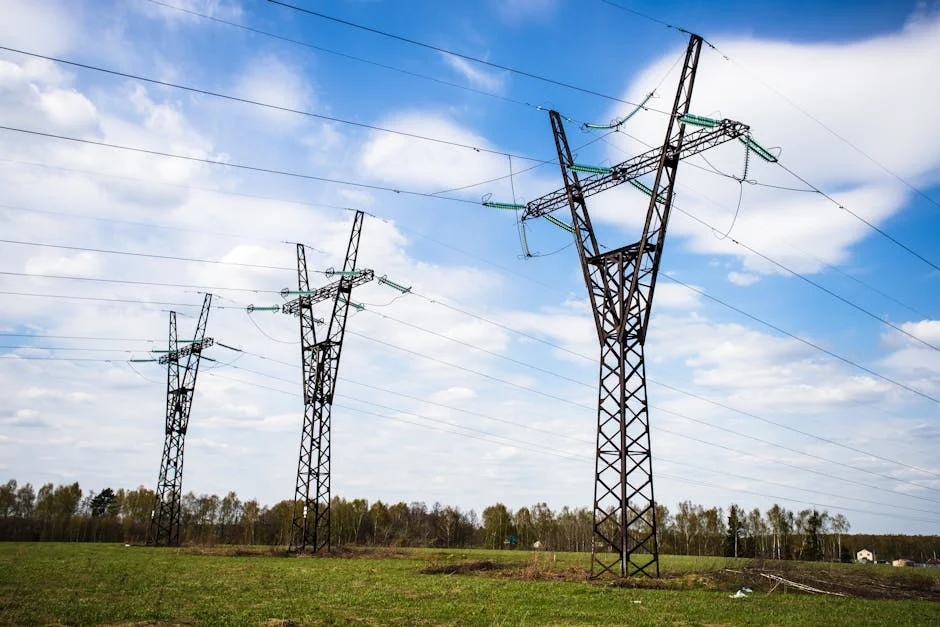
As of 2023, the federal government estimates a staggering $10 billion is required to upgrade existing infrastructure. Poor governance practices have led to a lack of accountability, leaving consumers with little recourse against service failures. This crisis in leadership is a primary factor preventing the sector from achieving its full potential.
Impact of Inadequate Governance on Development Goals
The challenges facing Nigeria's electricity industry are not merely technical; they have direct implications for the nation’s development goals. Sustainable Development Goal 7 aims to ensure access to affordable, reliable, sustainable, and modern energy for all. Achieving this target is crucial for enhancing education, health services, and economic opportunities.
Without a functioning power sector, businesses struggle to operate efficiently, resulting in job losses and stunted economic growth. President Bola Tinubu's administration is under pressure to implement reforms that will address these governance issues and restore investor confidence.
Reforms on the Horizon
In response to these challenges, Nigeria's Ministry of Power announced a new framework aimed at reforming the governance structure within the electricity sector. The plan, set to be rolled out by mid-2024, intends to streamline operations and enhance regulatory oversight.
The proposed measures include establishing clearer accountability channels and incentivising performance among power providers. The government plans to introduce performance-based contracts for distribution companies, which could improve service delivery standards across the board.
Potential Benefits of Reforming Governance
Implementing these reforms effectively could lead to a more dynamic electricity market in Nigeria. Enhanced governance may attract foreign investment, which is necessary for upgrading infrastructure and improving service delivery. Increased reliability in electricity supply would not only benefit households but also bolster economic activities, contributing to GDP growth.
Industry stakeholders have expressed cautious optimism regarding the new governance framework. If successful, reforming the electricity sector could serve as a model for other critical sectors facing similar challenges in Nigeria.
What to Watch Next
The eyes of the nation will be on the Ministry of Power as it prepares to launch its reform plan. A key date to watch is the mid-2024 target for implementation. Stakeholders will be evaluating the clarity of the new governance structure and its potential to produce tangible results.
Moreover, the government's performance in executing these reforms could either restore confidence in Nigeria's electricity sector or further exacerbate the ongoing crisis. With the right steps, there is a chance for Nigeria to overcome its energy challenges and meet its development goals.
See Also
- Naira Hits Record Low of 92.16 Against Dollar Amid Middle East Tensions: What It Means for Nigeria
- Shettima Demands States Act Now on $750m World Bank Reform Fund
If successful, reforming the electricity sector could serve as a model for other critical sectors facing similar challenges in Nigeria.What to Watch NextThe eyes of the nation will be on the Ministry of Power as it prepares to launch its reform plan. President Bola Tinubu's administration is under pressure to implement reforms that will address these governance issues and restore investor confidence.Reforms on the HorizonIn response to these challenges, Nigeria's Ministry of Power announced a new framework aimed at reforming the governance structure within the electricity sector.