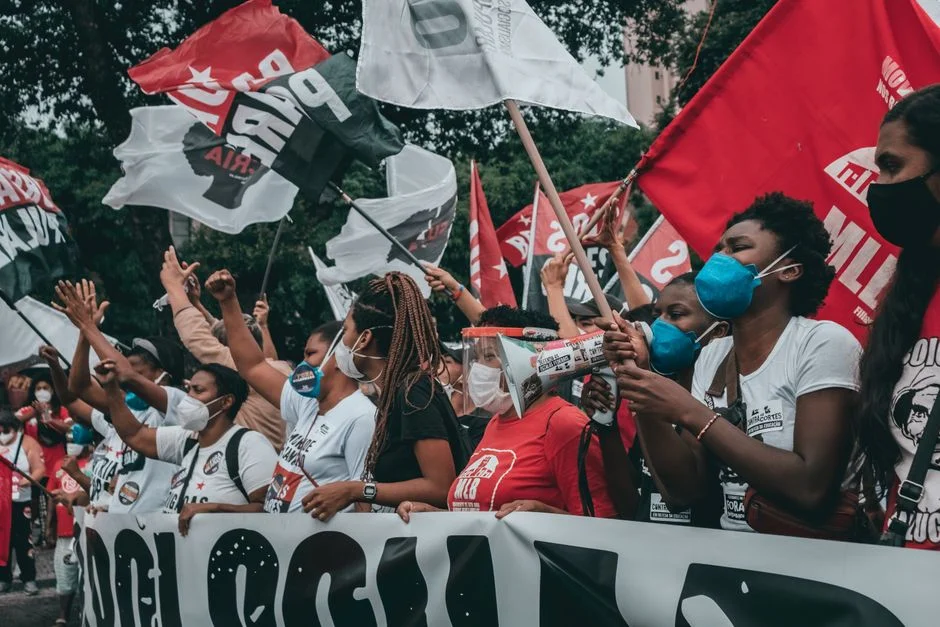
Nigeria's police force has issued a stern warning against potential reprisals aimed at South Africans within its borders. This comes in the wake of escalating tensions following a spate of violent incidents against Nigerians in South Africa, raising fears of a retaliatory backlash.
Background of the Tensions
The current state of South Africans Tensions escalated after a series of attacks on Nigerian expatriates in South Africa. Reports indicate that since January 2023, there have been over 50 recorded incidents of violence against Nigerians, prompting widespread concern within Nigeria.

Major General Usman Baba, Nigeria's Inspector General of Police, stated that all necessary measures would be implemented to protect South African nationals residing in Nigeria. The police have reiterated their commitment to ensuring safety and preventing undue violence against any community.
The Role of Diplomatic Relations
Relations between Nigeria and South Africa are under strain, as incidents of xenophobic violence have historically plagued the two nations. Nigerian citizens make up one of the largest expatriate communities in South Africa, with over 1 million individuals, making the diplomatic balance crucial for both countries.
Authorities have noted that retaliation against South Africans residing in Nigeria would only exacerbate tensions and may hinder economic ties. The Nigerian government has called for constructive dialogue, emphasizing the importance of maintaining good diplomatic relations.
Consequences for Nigerian Citizens Abroad
This warning from the Nigerian police highlights the broader implications for its citizens working abroad. Many Nigerians rely on remittances from family members working in South Africa, which significantly boosts Nigeria's economy. According to the World Bank, remittances accounted for approximately $24 billion in 2022, underscoring their importance.
Any retaliatory actions could result in an increase in hostilities, further undermining the safety of Nigerians abroad. This situation raises serious concerns regarding the welfare of Nigerian expatriates who may face backlash in other regions as well.
Media Coverage and Public Reaction
Public reactions have been mixed, with many Nigerians expressing outrage over the violence against their compatriots. Social media platforms have seen widespread discussions under the hashtag #JusticeForNigerians, with calls for greater protection from the Nigerian government.
Meanwhile, South African officials have also urged their citizens to refrain from engaging in inflammatory rhetoric that might incite further violence. The media coverage around this issue has been extensive, highlighting the delicate balance of maintaining peaceful relations.
Potential Economic Impacts
The economic ties between South Africa and Nigeria are significant, with both countries being vital players in the African Continental Free Trade Area (AfCFTA). Analysts warn that any disruption to these ties could have far-reaching economic consequences.
In the financial markets, currencies may respond to increased tensions, influencing investments and bilateral trade. The trade volume between Nigeria and South Africa was estimated at $1.5 billion in 2022, making stability in relations crucial for continued economic growth.
Looking Ahead: What’s Next?
As both governments work towards mitigating these tensions, the next steps will be critical. Diplomatic meetings are anticipated in the coming weeks to address the underlying issues and formulate a joint strategy for community safety.
Observers are urged to monitor developments closely, especially upcoming statements from both the South African and Nigerian governments. The aim is to foster an environment of dialogue that prioritises the safety and welfare of all citizens, regardless of nationality.
See Also
- UK-Nigeria Tech Hub Launches Fund to Revolutionise Creative Sector
- South Sudan's Health System Collapses: What This Means for Regional Stability