Five northern states in Nigeria experienced a significant blackout on Tuesday, leaving millions without electricity. The states affected include Kano, Katsina, Yobe, Borno, and Zamfara, disrupting daily life and economic activities in these regions. This blackout has also extended into the Niger Republic, further complicating energy needs across borders.
Local Impact on Residents and Businesses
Residents in Kano reported widespread outages, with many struggling to access basic services such as healthcare and education. Small businesses, reliant on electricity to operate, faced immediate losses. For instance, a local bakery in Kano stated it lost around ₦50,000 (approximately $130) in a single day due to the power outage.
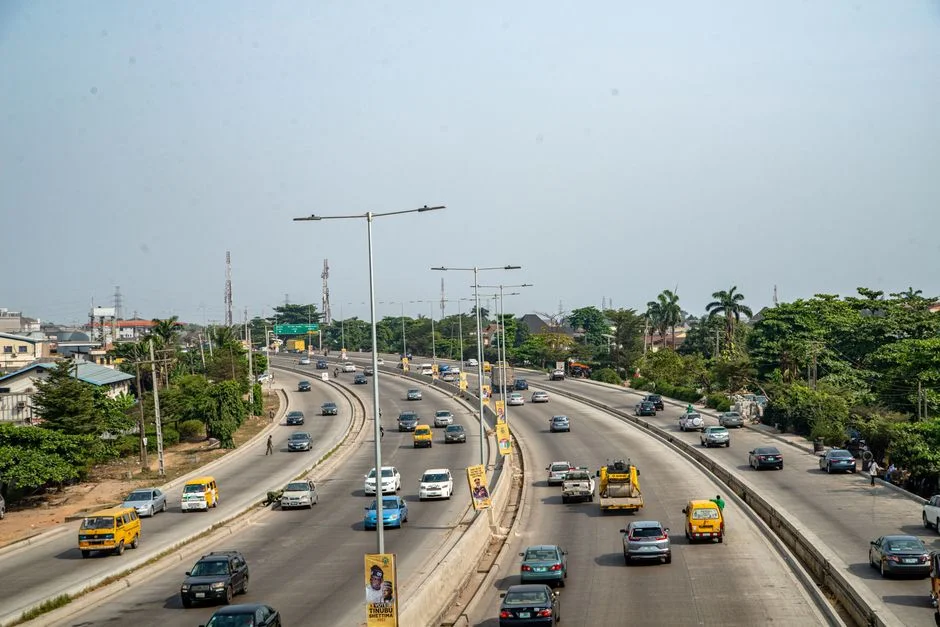
The healthcare sector has been similarly affected. Hospitals in Yobe are reporting challenges in providing essential services, as power cuts hinder operations, especially for equipment that requires constant electricity. A local doctor noted that patients are being turned away due to a lack of power in medical facilities.
Role of the Transmission Company of Nigeria
The Transmission Company of Nigeria (TCN) confirmed that the outages were due to technical issues at several power stations. This situation highlights the fragility of Nigeria's electrical infrastructure, which has struggled to meet the demands of its growing population. TCN has announced plans for emergency repairs, though no timeline has been provided for when full service will be restored.
Continental Energy Challenges
This blackout is not an isolated incident but part of a larger pattern affecting energy access across Africa. Many countries face similar challenges, with outdated infrastructure and insufficient investment in energy production. According to the African Development Bank, over 600 million people on the continent still lack reliable access to electricity, which impedes economic growth and development.
Northern Nigeria's difficulties are exacerbated by competing demands from different sectors. The agricultural sector, crucial for food security, relies heavily on consistent energy supply for irrigation and processing. As farmers struggle to operate efficiently, the potential for food shortages looms.
Opportunities for Investment in Infrastructure
Despite these challenges, the crisis brings opportunities for investment in Nigeria's energy sector. The Nigerian government has been encouraging public-private partnerships to modernise electrical infrastructure and expand energy access. International investors have shown interest in renewable energy projects, which could offer sustainable solutions to the ongoing power crisis.
Health and Education at Risk
With schools and hospitals bearing the brunt of the blackouts, the implications for health and education are dire. Schools in affected states are forced to close or scale back operations, disrupting the education of children and young adults. Likewise, hospitals struggle to maintain essential services, risking patient lives.
The Long-Term Impact on Governance
The inability to provide stable electricity raises questions about governance and accountability in Nigeria. Citizens affected by the blackouts may grow increasingly frustrated with the government’s inability to address fundamental infrastructure needs. The ensuing dissatisfaction can lead to political instability and reduced public trust.
What Comes Next?
As Nigeria grapples with these power outages, attention will turn to TCN's response and the government's plans for long-term energy solutions. Stakeholders will be watching closely for announcements on infrastructure investments and potential partnerships that could help mitigate future crises. The next few weeks will be critical in determining how Nigeria can restore power and provide stability in both local and regional economies.
See Also
- Goldman Sachs Warns of Middle East Heat Impacting India's Energy Supply Chain: What It Means for Africa
- American Fugitive Arrested in Gqeberha for Alleged Abuse of Daughter
Likewise, hospitals struggle to maintain essential services, risking patient lives.The Long-Term Impact on GovernanceThe inability to provide stable electricity raises questions about governance and accountability in Nigeria. The next few weeks will be critical in determining how Nigeria can restore power and provide stability in both local and regional economies.