Ghana's Parliament approved a controversial anti-LGBTQ law on Friday, 30th June 2023, escalating tensions around human rights in West Africa. This new legislation imposes severe penalties for same-sex relationships, with potential prison terms of up to 10 years for individuals engaging in LGBTQ activities. The law's passage is seen as a significant setback for human rights advocacy, stoking fears of increased discrimination and violence against LGBTQ individuals.
Legal Framework and Harsh Penalties
The approved law, formally titled the Promotion of Proper Human Sexual Rights and Ghanaian Family Values Bill, introduces stricter measures against homosexuality and related activities. It establishes penalties for 'aggravated homosexuality,' which includes cases involving minors or individuals with disabilities. The law also criminalizes the promotion of LGBTQ rights, a move that places any advocacy efforts at risk of legal action.
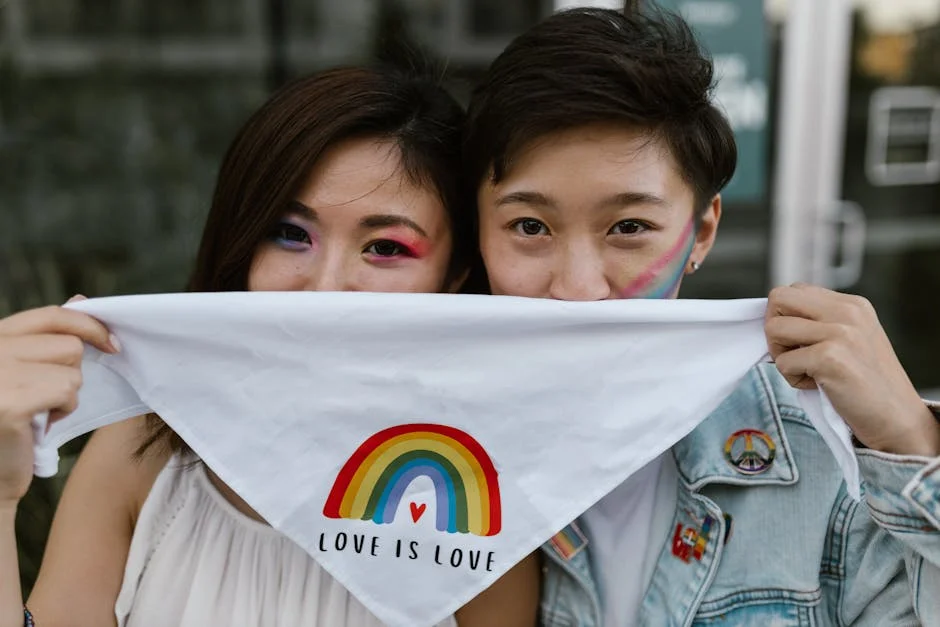
David Boadi, a Member of Parliament and one of the law's architects, stated that the legislation reflects the cultural values of Ghana. He emphasized that it aims to protect the family structure, asserting, “This bill is about our identity as Ghanaians and our commitment to traditional family values.” However, these claims have been met with significant backlash from human rights organizations worldwide.
Global Reaction and Domestic Implications
As the news broke, various international human rights groups condemned the law. Amnesty International labelled it a “violation of human rights,” urging the Ghanaian government to reconsider its decision. The United Nations expressed concern about the potential increase in violence and discrimination against LGBTQ individuals, noting that such laws contradict global human rights standards.
Furthermore, local activists fear that the law could lead to a surge in hate crimes. “We are already living in a climate of fear, and this law makes it worse,” said Kofi Anokye, a Ghanaian LGBTQ rights advocate. The worry is that increased hostility could deter investments and affect tourism, critical elements of Ghana's economy.
Development Goals at Risk
This new legislation poses a challenge to Ghana's commitment to the United Nations Sustainable Development Goals (SDGs), particularly Goal 16, which emphasises peaceful and inclusive societies. By enacting a law that targets a minority group, Ghana risks alienating its LGBTQ community and undermining efforts for equality and social justice.
Economic growth is tied to social stability, and the ongoing hostility towards LGBTQ rights could hinder foreign investment. Many investors look for countries with inclusive laws and human rights protections. Ghana's new stance on LGBTQ rights may send a negative signal to international investors, potentially stalling vital economic growth initiatives.
A Broader African Context
Ghana's law aligns with a growing trend in several African nations that have enacted or are considering anti-LGBTQ legislation. Countries like Uganda and Tanzania have adopted similar laws, reflecting a widespread cultural and political backlash against LGBTQ rights in the region. This trend poses significant challenges to the continental agenda of promoting human rights and social inclusion.
Moreover, this law could influence neighbouring countries like Nigeria, where LGBTQ rights are already heavily restricted. Observers worry that Ghana's decision might embolden other nations to adopt stricter measures, further entrenching discrimination across the continent.
The Road Ahead: What to Watch
As Ghana moves forward with the implementation of this law, its impacts on both domestic and international fronts will be closely monitored. Activists plan to challenge the law in court, arguing that it violates basic human rights. The timeline for potential legal challenges and further public protests remains uncertain.
With increasing local and international scrutiny, observers are keen to see how President Akufo-Addo's administration will handle the backlash. The next few months are pivotal for the future of human rights advocacy in Ghana and the broader implications for development across Africa.
See Also
- England Bans Phones in Schools — New Law Sparks Debate
- Nigeria Promotes Crude Oil as Global Gem to Lure Foreign Investors
This trend poses significant challenges to the continental agenda of promoting human rights and social inclusion.Moreover, this law could influence neighbouring countries like Nigeria, where LGBTQ rights are already heavily restricted. Ghana's new stance on LGBTQ rights may send a negative signal to international investors, potentially stalling vital economic growth initiatives.A Broader African ContextGhana's law aligns with a growing trend in several African nations that have enacted or are considering anti-LGBTQ legislation.