On Wednesday, Muslims in Kenya gathered to celebrate Eid al-Adha, marking the end of the Hajj pilgrimage and the willingness of Prophet Ibrahim to sacrifice his son in obedience to God. The festivities included communal prayers, traditional sacrifices, and charitable donations aimed at supporting the less fortunate.
Prayer and Community Spirit
In cities across the country, thousands attended Eid prayers at mosques, including the Jamia Mosque in Nairobi, one of the largest and most prominent. The Kenyan government encouraged unity and reflection on the values of sacrifice and charity, significant tenets of the celebration.
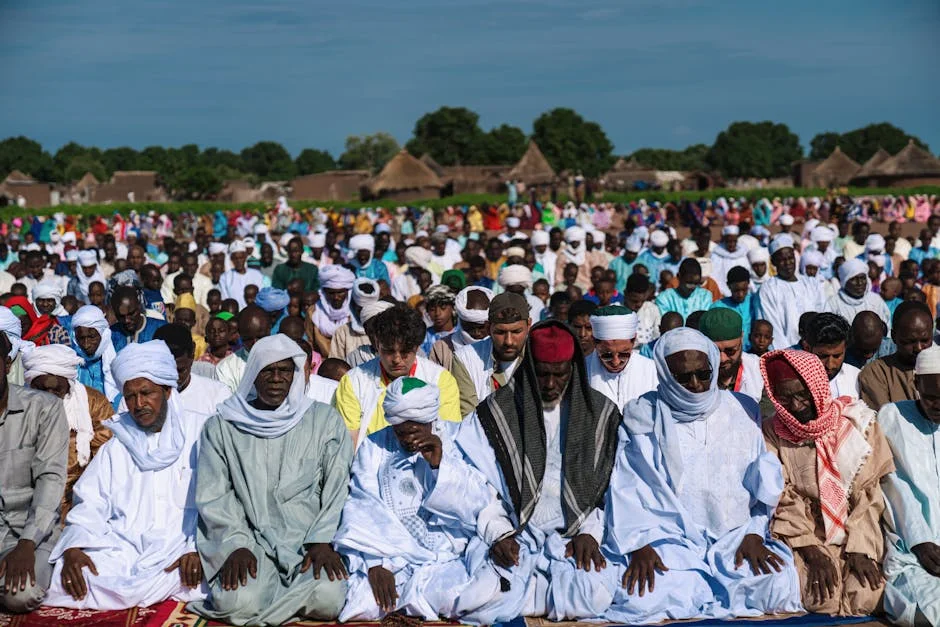
“Eid al-Adha is a reminder for us to share and support each other,” said Abdi Mahmud, a local imam. “Through our sacrifices, we show gratitude and responsibility towards our community,” he added during a prayer session, which drew an estimated crowd of over 5,000 worshippers.
Celebrating with Sacrifice
The essence of Eid al-Adha lies in the ritual sacrifice of animals, primarily goats, sheep, and cows. This year, it is estimated that over 200,000 animals were sacrificed across Kenya, supporting local farmers and boosting the agricultural economy.
The Kenya Meat Commission reported that the demand for livestock surged by 30% ahead of the holiday, reflecting both the community’s commitment to tradition and the beneficial economic impact on local farmers. Such practices not only sustain cultural heritage but also contribute to the country's agricultural sector.
Charity Initiatives Gain Momentum
In line with the spirit of giving, many charitable organisations ramped up efforts to aid vulnerable populations. The National Council of Churches of Kenya launched a campaign to distribute food and essential supplies to over 10,000 families in need during this Eid period.
“This is a time for giving back, especially to those less fortunate,” stated Rev. Peter Karanja, Secretary-General of the National Council of Churches. Providing assistance through food and resources aligns with wider development goals of alleviating poverty and improving living standards across communities.
Economic and Social Implications
The celebration of Eid al-Adha also raises questions about sustainable practices and health regulations regarding livestock management. As Kenya continues to emphasise agricultural development, the government recently announced plans to improve livestock health and ensure food safety.
These initiatives are part of a broader approach to meet the African Union's Agenda 2063 goals, which focus on promoting sustainable economic growth and reducing poverty through agriculture and food security.
Challenges and Opportunities Ahead
While the festivities brought joy, they also highlighted ongoing challenges such as food security and economic inequality in Kenya. As the country grows, the disparity between affluent and economically challenged communities remains a pressing issue.
Many hope that community engagement during Eid will inspire further collaboration between government agencies and local NGOs to address these disparities. Strengthening ties among communities can lead to more effective and inclusive development.
Looking Forward
The impact of Eid al-Adha on Kenyan society extends beyond one day of celebration. As the nation looks forward to the upcoming national budget discussions in June, stakeholders are urged to prioritise agricultural investment and social support programmes.
The community’s commitment to charity and sacrifice during this festive season may serve as a catalyst for broader discussions on sustainable development and growth opportunities in the coming months.
See Also
- South Africa Wine Industry Faces Climate Crisis
- Russia Launches Expert Council to Strengthen Africa's Food Security
As Kenya continues to emphasise agricultural development, the government recently announced plans to improve livestock health and ensure food safety.These initiatives are part of a broader approach to meet the African Union's Agenda 2063 goals, which focus on promoting sustainable economic growth and reducing poverty through agriculture and food security.Challenges and Opportunities AheadWhile the festivities brought joy, they also highlighted ongoing challenges such as food security and economic inequality in Kenya. Strengthening ties among communities can lead to more effective and inclusive development.Looking ForwardThe impact of Eid al-Adha on Kenyan society extends beyond one day of celebration.