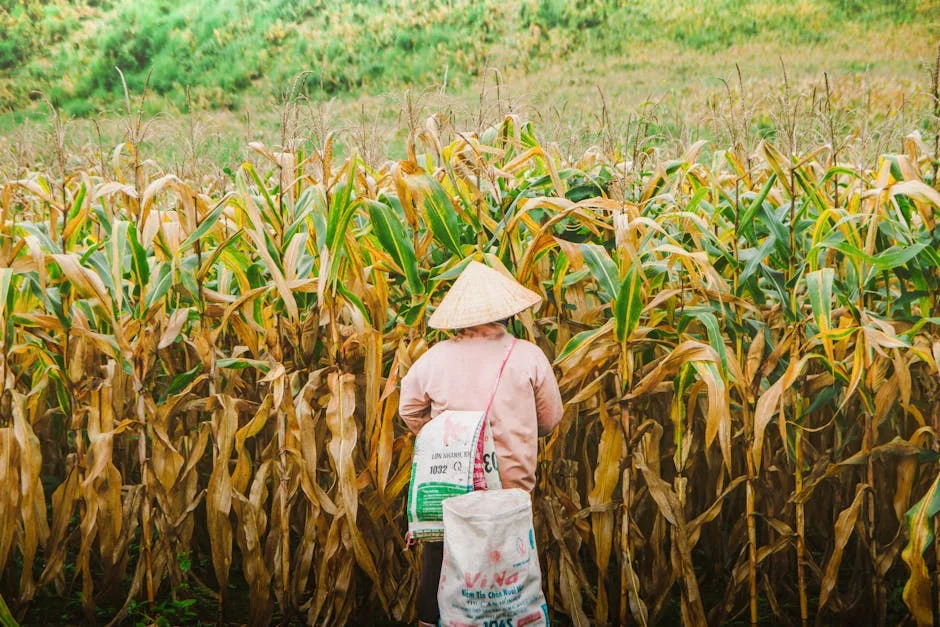
South Africa’s Western Cape wine industry is racing against time as rising temperatures threaten the region’s most prized grape varieties. Vineyards in Elgin and Stellenbosch are already seeing harvests arrive weeks earlier than historical averages, forcing growers to adapt quickly. This environmental shift offers a critical case study for African agricultural resilience.
Climate Shifts in the Western Cape
The Western Cape, often described as Africa’s breadbasket, is experiencing profound climatic changes. What is Western Cape? It is a province known for its Mediterranean climate, which has historically favored viticulture. However, recent data shows that average temperatures have risen by nearly one degree Celsius in the last decade. This warming trend is not just a local nuisance; it is a structural threat to the region’s economic engine.
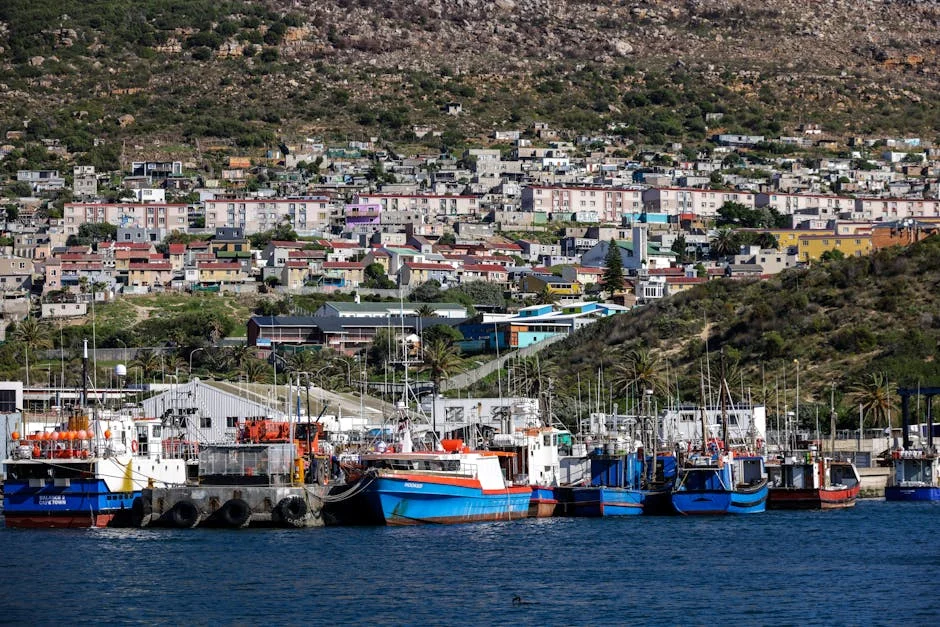
Grapes are sensitive to heat. When temperatures soar during the ripening season, the sugar content in the fruit increases rapidly. This results in wines with higher alcohol levels and less acidity, altering the traditional flavor profiles that global consumers love. Growers in the Franschhoek valley report that Cabernet Sauvignon, a staple variety, is maturing so fast that it risks losing its signature tannic structure.
The implications extend beyond flavor. Water scarcity is becoming a pressing issue in the region. The Western Cape environment update highlights that droughts are becoming more frequent and more severe. Farmers must now make difficult decisions about which crops to plant and how to manage limited water resources. This situation mirrors challenges faced by agricultural sectors across the African continent.
Adaptation Strategies for Vineyards
Winegrowers are not sitting idle. They are implementing a range of strategies to mitigate the impact of a warming planet. One common approach is the introduction of heat-tolerant grape varieties. Varietals like Grenache and Syrah, which naturally thrive in warmer conditions, are being planted in larger quantities. This shift requires investment in new vines and a rebranding effort to convince consumers that the wine style is evolving.
Another critical adaptation involves irrigation technology. Many estates are switching from traditional flood irrigation to drip systems that deliver water directly to the roots of the vines. This method can reduce water usage by up to thirty percent. Additionally, some growers are using reflective mulch under the vines to keep the soil cooler and conserve moisture. These technological interventions are expensive but necessary for long-term survival.
Canopy Management Techniques
Canopy management is a crucial, labor-intensive strategy employed by Western Cape vineyards. By carefully pruning leaves and training vines, growers can control the amount of sunlight and air circulation each grape cluster receives. In warmer years, leaving more leaves can provide shade for the grapes, preventing them from cooking in the sun. This technique requires skilled labor and precise timing, adding to the operational complexity of modern viticulture.
Shade cloth is another tool being tested in high-heat zones. These translucent fabrics are stretched over rows of vines during the peak summer months. They reduce the solar radiation hitting the grapes, allowing for a slower, more even ripening process. While effective, the cost of installing and maintaining these structures is a significant consideration for smaller family-owned estates.
Economic Impacts on Local Communities
The wine industry is a major employer in the Western Cape. It supports thousands of jobs, from skilled winemakers to seasonal harvest workers. As the climate changes, the economic stability of these communities is at stake. If vineyards are forced to expand or relocate due to unsuitable microclimates, land prices may rise, pushing out smaller producers. This could lead to consolidation in the industry, favoring larger corporate players over family farms.
South Africa developments explained by local economists suggest that the wine sector’s resilience has broader economic ripple effects. Tourism is closely tied to the wine route, with visitors flocking to Stellenbosch and Franschhoek for tastings and scenery. If the quality of the wine declines or the landscape changes drastically, tourism revenue could suffer. This would impact local businesses, from restaurants to boutique hotels, creating a chain reaction of economic adjustment.
However, there are opportunities within the challenge. Early harvests can sometimes lead to a first-mover advantage in the global market. If South African wines are ready for export when European counterparts are still in the barrel, they can capture market share. This requires strategic planning and marketing agility. The South Africa environment update indicates that proactive growers are already positioning themselves to capitalize on these temporal shifts.
Broader African Development Lessons
The struggles of the Western Cape wine industry are a microcosm of broader African development goals. Climate change is perhaps the single greatest threat to the continent’s economic potential. Agriculture employs a significant portion of the African workforce, making it a key sector for job creation and food security. The adaptations being tested in the vineyards offer valuable insights for other agricultural sectors across the continent.
Water management is a critical lesson. The Western Cape’s experience with the “Day Zero” drought in Cape Town demonstrated the vulnerability of water-intensive industries. African nations must invest in water infrastructure and efficient usage technologies to ensure agricultural sustainability. This includes rainwater harvesting, wastewater recycling, and the adoption of drought-resistant crop varieties. These strategies are essential for achieving the African Union’s Agenda 2063 goals related to economic integration and resilience.
Furthermore, the wine industry’s focus on branding and market positioning highlights the importance of value addition. Instead of exporting raw commodities, African producers can capture more value by branding their products as unique and climate-resilient. This approach can help differentiate African goods in the global market, commanding higher prices and attracting premium consumers. Why South Africa matters in this context is that it serves as a testing ground for these strategies, providing a model for other African nations to follow.
Regional Variations and Microclimates
Not all areas of the Western Cape are affected equally. The region is blessed with diverse microclimates, largely due to its varied topography and proximity to the ocean. Coastal areas like Elgin and Constantia benefit from cooling sea breezes, which moderate temperatures and extend the growing season. These areas are likely to remain viable for traditional varieties like Chardonnay and Pinot Noir for longer than inland regions.
Inland areas, such as Stellenbosch and Paarl, are experiencing more intense heat. These regions may need to shift towards red varieties that thrive in warmer conditions. The altitude also plays a role; higher-altitude vineyards are naturally cooler and may become more valuable as low-lying areas heat up. This geographical nuance means that adaptation strategies must be tailored to specific locations, rather than applying a one-size-fits-all approach.
This diversity within the Western Cape provides a natural experiment for climate adaptation. Researchers and growers are studying how different varieties perform in various microclimates. This data is invaluable for predicting future trends and making informed planting decisions. The findings from these studies can inform agricultural planning in other parts of Africa, helping farmers choose the right crops for their specific local conditions.
Global Market Dynamics
The global wine market is highly competitive, and South Africa is vying for attention against established powerhouses like France, Italy, and Chile. Climate change is affecting these competitors as well, but the pace and nature of the shifts differ. South Africa’s relative youth in the global wine market allows for greater flexibility. Growers can change varieties and styles more easily than in regions with centuries-old traditions.
Consumer preferences are also evolving. There is a growing demand for organic and biodynamic wines, which often have better soil health and water retention capabilities. South African growers are well-positioned to capitalize on this trend by emphasizing their sustainable practices. This alignment with global consumer values can enhance the brand image of South African wines, helping them stand out in a crowded marketplace.
Trade agreements and logistics also play a role. As European harvests become more unpredictable, South Africa can offer a reliable alternative for importers. The timing of the harvest, occurring in the opposite hemisphere, allows for a steady supply of fresh wine throughout the year. This temporal advantage is becoming more significant as climate variability increases in Europe, creating new opportunities for South African exports.
Future Outlook and Policy Needs
The future of the Western Cape wine industry depends on continued adaptation and strategic investment. Government support will be crucial in this process. Policies that encourage water conservation, renewable energy use, and research into new grape varieties can help the sector thrive. Collaboration between universities, research institutes, and growers can accelerate the pace of innovation.
Investment in infrastructure is also necessary. Improved roads, ports, and digital connectivity can help wine producers reach global markets more efficiently. Additionally, training programs for the local workforce can ensure that they have the skills needed to manage modern vineyards and wineries. This human capital development is essential for sustaining the industry’s growth and competitiveness.
Watch for upcoming policy announcements from the Western Cape government regarding water pricing and agricultural subsidies. These decisions will have a direct impact on the cost structure of wine production. Additionally, monitor the release of annual harvest reports from major wine estates, which will provide real-time data on how climate change is affecting yields and quality. The next five years will be critical in determining whether the Western Cape wine industry can successfully navigate the challenges of a warming planet.
See Also
- Guterres Demands Urgent Climate Cash for Africa's Survival
- Kenya School Fire Claims 16 Lives — Safety Questions Emerge Amid Outcry