India has moved quickly to secure a strategic Mediterranean base in Cyprus, challenging the growing influence of an emerging Islamic-NATO alignment. This diplomatic and military maneuver signals a major shift in global power dynamics that will directly impact trade routes and energy security for African nations.
For African development, this realignment presents both a new market opportunity and a complex geopolitical challenge. The competition between New Delhi and Western-Islamic coalitions means African governments must navigate a more crowded diplomatic landscape to secure infrastructure investments and energy deals.
Strategic Positioning in the Eastern Mediterranean
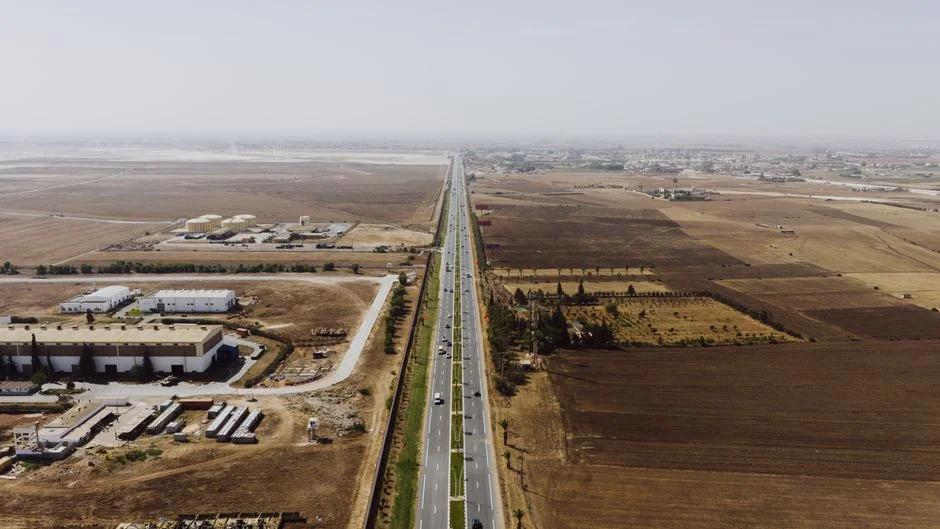
India’s decision to deepen its ties with Cyprus is not merely symbolic. The island nation sits at the crossroads of Europe, Asia, and Africa, controlling vital shipping lanes that carry energy and goods. By establishing a stronger presence in Nicosia, New Delhi aims to secure direct access to these critical maritime corridors.
This move comes as Turkey and other regional powers, often aligned with NATO and Islamic blocs, seek to expand their own influence. The resulting tension creates a competitive environment where African coastal states can leverage rival interests to secure better terms for port access and logistics partnerships.
The Eastern Mediterranean has become a chessboard for global powers. India’s entry adds a new layer of complexity that African leaders in Egypt, Libya, and Morocco must monitor closely. The stakes involve not just military presence but also the flow of natural gas and liquefied natural gas (LNG) supplies that Europe increasingly relies upon.
Energy Security and African Exports
African energy exports are central to this geopolitical contest. Countries like Nigeria and Angola rely on stable maritime routes to deliver crude oil and LNG to European and Asian markets. India’s growing energy appetite makes it a crucial buyer for African producers, reducing dependence on traditional European consumers.
India’s strategic foothold in Cyprus enhances its ability to secure energy supplies from the region. This could lead to increased investment in African energy infrastructure, as New Delhi seeks to diversify its import sources. African nations with energy reserves can use this demand to negotiate better prices and long-term contracts.
The competition for energy security also drives infrastructure development. Ports and pipelines in North Africa are seeing renewed interest from both Indian and Western investors. This competition can accelerate the modernization of African logistics networks, improving efficiency and reducing costs for local economies.
Impact on Nigerian Trade Routes
Nigeria faces direct implications from this shift. As Africa’s largest oil producer, Nigeria benefits from having multiple major buyers for its crude. India has become one of Nigeria’s top trading partners, and a stronger Indian presence in the Mediterranean could streamline trade between Lagos and European markets.
However, the rise of an Islamic-NATO axis, which includes key regional players, means that political alliances will influence trade policies. Nigeria must maintain balanced diplomatic relations to ensure its energy exports are not held hostage to geopolitical rivalries. Diversifying trade partners remains a critical strategy for economic stability.
Infrastructure Investment Opportunities
Infrastructure development in Africa is a key goal for continental integration. The competition between India and other global powers creates opportunities for African nations to attract foreign direct investment. New Delhi has shown willingness to invest in ports, railways, and energy projects across the continent.
Cyprus itself is positioning itself as a logistics hub, which could serve as a gateway for Indian firms looking to expand into Africa. This creates a potential corridor for goods and services moving between Asia and Africa, bypassing some of the traditional bottlenecks in European supply chains.
African governments should actively court these investments while maintaining sovereignty over key assets. The experience of other nations suggests that strategic partnerships can drive rapid development if managed with clear regulatory frameworks. Focus should be on projects that enhance local capacity and create jobs.
Geopolitical Balancing Act
African nations must navigate a delicate balancing act. The emergence of an Islamic-NATO axis introduces a new bloc that combines Western military strength with Islamic cultural and economic ties. India’s counter-move challenges this alignment, creating a multipolar environment that offers Africa more room for maneuver.
This multipolarity allows African countries to avoid over-reliance on any single power. By engaging with India, the European Union, and Islamic blocs simultaneously, nations can extract better concessions in trade, aid, and security. Strategic autonomy becomes a realistic goal rather than a distant ideal.
The diplomatic skills of African foreign ministries will be tested. Leaders must articulate clear national interests and leverage the competition to achieve development goals. Clear communication and consistent policy will be essential to maintain trust with all partners.
Regional Stability and Security
Security in the Mediterranean and adjacent African regions is directly affected by these shifts. A stronger Indian presence could provide an additional security partner for African nations seeking to combat piracy and terrorism in the Red Sea and Gulf of Aden. These threats disrupt trade and increase insurance costs for exporters.
The Islamic-NATO axis brings its own security dynamics. Turkey’s military activities in Libya and Syria have shown how regional powers can influence stability in North Africa. India’s engagement with Cyprus could serve as a counterweight, promoting a more balanced security architecture in the region.
African nations must invest in their own security capabilities to complement these external partnerships. Regional forces like the African Union Mission in Somalia demonstrate the potential for continental solutions. Strengthening local security reduces vulnerability to external geopolitical shocks.
Implications for Pan-African Integration
Pan-African integration aims to create a single market and enhance economic cooperation. The new geopolitical dynamics can support this goal by providing diverse external partners for African nations. India’s focus on South-South cooperation aligns well with African development strategies.
The African Continental Free Trade Area (AfCFTA) benefits from external competition. When global powers vie for access to the African market, they are more likely to offer favorable terms. This can accelerate the implementation of the AfCFTA by bringing in capital and technology from multiple sources.
However, integration requires internal cohesion. African nations must present a united front to maximize their bargaining power. Fragmentation allows external powers to play nations against each other, reducing the overall benefits. Coordination among key African economic blocs is essential for success.
Looking Ahead: Strategic Priorities
The next phase of this geopolitical shift will involve concrete investments and diplomatic agreements. African nations should prioritize securing long-term energy contracts and infrastructure deals with India. These agreements should include technology transfer and local content requirements to maximize developmental benefits.
Monitoring the evolution of the Islamic-NATO axis is also critical. Understanding the strategic priorities of this bloc will help African leaders anticipate policy changes and market shifts. Active engagement with all partners will ensure that Africa remains a central player in the global economy.
Watch for upcoming trade summits and bilateral visits between New Delhi and African capitals. These events will reveal the depth of India’s commitment to the continent and the specific sectors targeted for investment. African governments must prepare detailed proposals to capitalize on these opportunities.
See Also
- Steenhuisen demands strict foot-and-mouth vaccine control — what it means for Nigeria's agriculture
- Guitar Virtuoso Carlos Macedo Passes Away - A Tribute to Portugal's Rich Cultural Heritage
The emergence of an Islamic-NATO axis introduces a new bloc that combines Western military strength with Islamic cultural and economic ties. Turkey’s military activities in Libya and Syria have shown how regional powers can influence stability in North Africa.
What is the latest news about india seizes cyprus foothold a new geopolitical shift for africa?
Why does this matter for health-medicine?
What are the key facts about india seizes cyprus foothold a new geopolitical shift for africa?