The Democratic Republic of Congo has confirmed its final squad for the upcoming World Cup, securing the inclusion of two of Africa’s most dynamic attackers. Yoane Wissa and Aaron Bissaka have been named in the final 26-man roster, marking a strategic shift towards integrating diaspora talent with local prodigies. This announcement signals a new era for Congolese football, blending Premier League experience with raw continental ambition.
Strategic Squad Selection for Kinshasa
The inclusion of Yoane Wissa represents a calculated move by the national team coaches. Wissa has established himself as a consistent performer in the English Premier League, bringing pace and technical precision to the attack. His selection addresses the need for a reliable finisher who can capitalize on defensive errors in high-pressure matches. Fans in Kinshasa have watched his progress with keen interest, seeing him as a bridge between African talent and European success.
Aaron Bissaka’s addition to the squad provides a different dimension to the team’s structure. Known for his defensive solidity and attacking overlap, Bissaka offers versatility that coaches value in tournament play. His experience in top-tier European football brings a level of tactical discipline that is often crucial in knockout stages. This balance between attack and defense is essential for a team aiming to navigate a competitive group stage.
Integrating Diaspora Talent
The strategy of recruiting players from the diaspora is becoming increasingly common across African nations. Countries like Senegal and Cameroon have successfully leveraged players living in Europe to strengthen their national teams. Congo is following this trend by integrating players who understand both the African footballing culture and the European professional environment. This dual exposure allows for a more nuanced approach to training and match preparation.
However, integrating these players requires careful management of form and fitness. Players like Wissa and Bissaka often face heavier workloads in their club seasons compared to their domestic counterparts. The coaching staff must ensure that these stars are not overexerted during the group stages. Proper rotation and tactical deployment will be key to maximizing their impact without risking early injuries.
Implications for African Football Development
This squad selection highlights broader trends in African football development. Nations are increasingly looking beyond their borders to find talent that can compete at the highest level. The success of players like Wissa and Bissaka serves as an inspiration for young athletes across the continent. It demonstrates that with the right combination of skill, hard work, and strategic positioning, African players can dominate in Europe.
The presence of these stars also brings increased media attention and commercial opportunities for the DR Congo national team. Sponsors are more likely to invest in a team with recognizable faces and strong performances. This financial boost can be reinvested into grassroots development programs, creating a virtuous cycle of growth. Infrastructure improvements in training facilities and youth academies can benefit from this increased visibility.
Furthermore, the tactical sophistication brought by players like Bissaka can elevate the overall playing style of the national team. Their understanding of spatial awareness and positional play can influence teammates, raising the collective intelligence of the squad. This transfer of knowledge is invaluable for developing a more cohesive and adaptable team unit.
Economic Impact on the Host Nation
The World Cup brings significant economic benefits to the host nation, and the DR Congo is poised to capitalize on this opportunity. Tourism is expected to surge as fans from across Africa and the world flock to Kinshasa to witness the matches. Hotels, restaurants, and local businesses will see a substantial increase in revenue during the tournament period. This influx of foreign currency can provide a much-needed boost to the local economy.
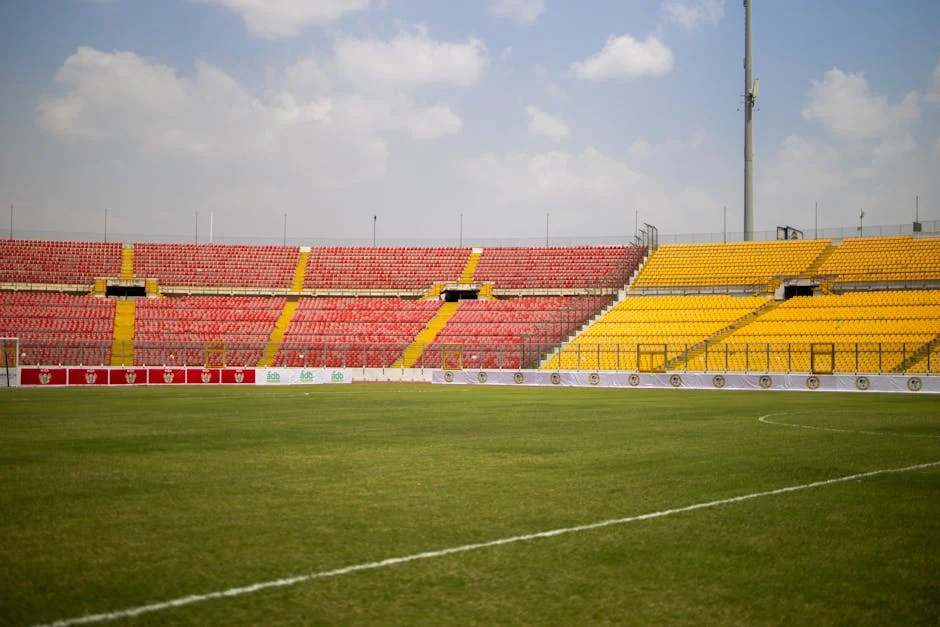
Infrastructure development is another critical area where the World Cup can drive progress. The government has invested heavily in upgrading stadiums, transportation networks, and urban amenities to accommodate the influx of visitors. These improvements will have long-term benefits for the city of Kinshasa, enhancing the quality of life for residents even after the tournament concludes. Roads, airports, and public transport systems will be better equipped to handle future growth.
Job creation is also a major benefit of hosting the World Cup. Thousands of temporary and permanent jobs are created in sectors such as hospitality, construction, and event management. For a country with a large youth population, these employment opportunities can help reduce unemployment rates and stimulate economic activity. The tournament serves as a catalyst for broader economic development in the region.
Challenges Facing the Congolese Team
Despite the strong squad, the DR Congo faces several challenges in their quest for World Cup success. The competition is fierce, with teams from Europe, South America, and Asia all bringing high levels of skill and tactical discipline. Congo must be prepared to face diverse playing styles and adapt quickly to different opponents. Consistency in performance will be key to advancing beyond the group stage.
Injury management is another critical concern for the coaching staff. With players like Wissa and Bissaka carrying significant responsibilities, keeping them fit throughout the tournament is paramount. The depth of the squad will be tested if key players are forced to miss matches due to fatigue or minor injuries. Strategic substitutions and careful monitoring of player workload will be essential.
Psychological pressure can also impact performance, especially for a team that has not seen consistent success in recent years. The expectations from fans and media can be overwhelming, potentially affecting player confidence and decision-making on the pitch. Building mental resilience and fostering a strong team spirit are crucial for navigating these pressures.
Maintaining Focus and Unity
Maintaining team unity is vital for overcoming these challenges. Players from different clubs and backgrounds must come together to form a cohesive unit. The coaching staff plays a key role in fostering a sense of belonging and shared purpose among the squad members. Regular team-building activities and open communication can help strengthen bonds and improve on-field coordination.
Focus on the process rather than the outcome can also help players manage pressure. By concentrating on executing their roles effectively and trusting in their preparation, players can reduce anxiety and perform more freely. This mindset shift is often the difference between a good performance and a great one in high-stakes matches.
Regional Rivalries and Continental Pride
The World Cup is not just a tournament; it is a celebration of continental pride and regional rivalries. For the DR Congo, this is an opportunity to reassert their status as a footballing powerhouse in Africa. Matches against traditional rivals like Nigeria, Ghana, and Senegal will be highly anticipated and fiercely contested. These encounters often carry historical significance and emotional weight, adding an extra layer of intensity to the competition.
Regional rivalries also drive fan engagement and support. Fans across Africa will rally behind their national teams, creating a vibrant and energetic atmosphere at the stadiums. This support can be a significant boost to player morale and performance. The passion and dedication of African fans are well-known, and their presence can create a home-away-from-home advantage for the teams.
Furthermore, the World Cup provides a platform for showcasing African culture and diversity. From the music and dance to the fashion and cuisine, the tournament becomes a cultural festival that celebrates the richness of the continent. This cultural exchange fosters greater understanding and appreciation among fans from different backgrounds, strengthening the bonds within the African football community.
What to Watch Next
As the World Cup approaches, all eyes will be on the DR Congo’s group stage matches. The team’s ability to adapt to different opponents and maintain consistency will be closely monitored. Fans and analysts will be looking for signs of tactical flexibility and individual brilliance from players like Wissa and Bissaka. The outcome of these early matches will set the tone for the rest of the tournament.
The final week before the tournament will be crucial for team preparation. The coaching staff will finalize their tactics and make any last-minute adjustments to the squad. Players will undergo intense training sessions to ensure they are physically and mentally ready for the challenges ahead. The media will also increase its coverage, building anticipation and excitement among fans.
Looking ahead, the performance of the DR Congo squad will have long-term implications for African football. Success on the global stage can inspire a new generation of players and attract more investment in the sport. The tournament serves as a benchmark for measuring progress and identifying areas for improvement. As the countdown begins, the DR Congo is poised to make a memorable impact on the World Cup stage.
Consistency in performance will be key to advancing beyond the group stage. With players like Wissa and Bissaka carrying significant responsibilities, keeping them fit throughout the tournament is paramount.
What is the latest news about congo world cup squad reveals african footballs rising stars?
Why does this matter for politics-governance?
What are the key facts about congo world cup squad reveals african footballs rising stars?