The World Health Organization has officially declared the Ebola outbreak in the Democratic Republic of the Congo an international public health emergency. This decisive move signals that the virus has reached a critical threshold, demanding immediate and coordinated action across the continent. The announcement places immense pressure on Kinshasa to stabilize the situation before the virus spreads further into neighboring nations.
The Scale of the Current Outbreak
The latest data from the Ministry of Public Health reveals a surge in confirmed cases that has overwhelmed local health infrastructure. Over 150 new infections were recorded in the Equateur province alone in the past week. This rapid increase has forced health officials to expand treatment centers in key urban hubs like Mbandaka and Bokungu.
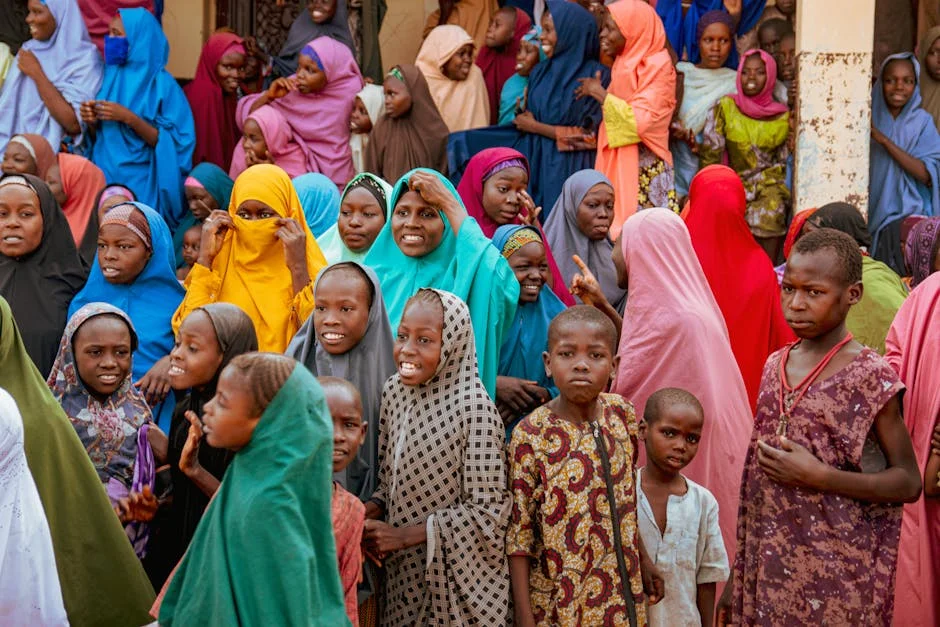
Health workers are battling against time as the virus moves through densely populated areas. The mortality rate remains stubbornly high, hovering around 70% in some districts. This figure underscores the urgency of the response and the fragility of the health systems in the region.
The geographic spread is particularly concerning. The virus has moved beyond the traditional hotspots in the northwestern part of the country. It is now appearing in central provinces, which have historically been less affected by previous Ebola waves.
Why This Crisis Threatens African Development Goals
This outbreak poses a direct challenge to the African Union’s Agenda 2063 development framework. Health security is a foundational pillar of economic growth on the continent. When a virus like Ebola strikes, it disrupts labor markets, scares away investors, and drains public finances. The development gains made in recent years could be reversed if the response is not swift and effective.
Economic activities in the Equateur province have already slowed down significantly. Schools have closed, and markets are operating at half capacity. This economic paralysis affects millions of people who rely on daily wages to survive. The ripple effects extend beyond the immediate infection zones, impacting trade routes that connect central Africa.
Health System Resilience Under Fire
The crisis exposes deep-seated weaknesses in the health systems of many African nations. Underfunding and brain drain have left clinics and hospitals struggling to cope. The WHO declaration highlights the need for sustained investment in primary healthcare infrastructure. Without robust local health systems, external aid often arrives too late to make a decisive difference.
Education on disease prevention is another critical area that requires attention. Community engagement has proven to be just as important as medical intervention. Trust in health workers can be fragile, especially in regions where rumors and traditional beliefs influence behavior.
Regional Coordination and the Pan-African Response
The Ebola virus does not respect national borders, making regional cooperation essential. The Economic Community of Central African States (ECCAS) has activated its emergency protocols. Neighboring countries like Cameroon, Gabon, and the Republic of the Congo are tightening border controls and enhancing surveillance mechanisms.
This collaborative approach is vital for containing the outbreak. Information sharing between health ministries can help predict the virus’s movement. Joint training exercises for health workers ensure that response teams are ready to act quickly. The success of the response depends on how well these nations work together.
However, political tensions can sometimes hinder effective coordination. Differences in policy approaches and resource allocation can create friction. It is crucial for regional leaders to prioritize public health over political considerations during this critical period.
Challenges in Vaccine Deployment and Logistics
Deploying the Ebola vaccine in the DRC is a logistical nightmare. The vast and often rugged terrain makes transportation difficult. Many health centers are located in remote areas, accessible only by boat or on foot. This challenges the cold chain requirements necessary to keep the vaccine effective.
The rVSV-ZEBOV vaccine has proven to be highly effective in previous outbreaks. However, ensuring that it reaches the right people at the right time is a complex task. Health workers must identify high-risk contacts and administer the vaccine within a specific window. Any delay can reduce the vaccine’s protective effect.
Funding for the vaccine rollout is also a concern. While international donors have pledged support, the funds often trickle in slowly. This delay can hamper the speed of the vaccination campaign. Securing timely financial commitments is crucial for maintaining momentum in the fight against the virus.
The Role of International Aid and Local Ownership
International aid organizations play a crucial role in supporting the DRC’s response efforts. The World Health Organization, UNICEF, and the Red Cross are on the ground, providing medical supplies and expertise. However, aid must complement, not overshadow, local ownership of the response.
Kinshasa has emphasized the need for a locally led response. This approach ensures that interventions are culturally appropriate and sustainable. Local health workers know the community dynamics and can navigate social challenges more effectively than external experts. Empowering local institutions strengthens the overall response capacity.
Coordination between international agencies and the Ministry of Public Health is key to avoiding duplication of efforts. Clear communication channels and regular joint meetings help align strategies. This collaborative model has been successful in previous Ebola outbreaks in the DRC.
What Happens Next: Critical Milestones Ahead
The coming weeks will be decisive in determining the trajectory of the outbreak. Health officials are targeting a 70% vaccination coverage rate in the most affected provinces. Achieving this goal requires sustained effort and community buy-in. The next monthly report from the WHO will provide a clearer picture of the virus’s behavior.
Investors and policymakers should watch for changes in mobility patterns and hospital admission rates. These indicators can signal whether the outbreak is stabilizing or accelerating. The effectiveness of border controls will also be tested as the rainy season approaches, which can further complicate logistics.
The African Union is scheduled to hold a special summit on health security next month. This gathering will likely focus on lessons learned from the DRC outbreak and strategies for future preparedness. The decisions made in Kinshasa and Addis Ababa will shape the continent’s health landscape for years to come. Readers should monitor the official WHO dashboard for real-time data updates and policy announcements from the Congolese government.
See Also
- General Mosikili Rejects Claims of O'Sullivan's Involvement in Justice System: What It Means for Nigeria
- U.S. State Department Launches New Ebola Response Initiative in DRC