The Nigeria Electricity Management Services Agency (NEMSA) and the Niger Delta Power Holding Company (NDPHC) have launched a coordinated crackdown on substandard electrical installations across the region. This joint initiative aims to reduce power outages, enhance grid stability, and improve revenue collection for distribution companies. The move addresses long-standing infrastructure deficits that have plagued the Nigerian power sector for decades.
Targeting Infrastructure Deficits in the Niger Delta
Substandard electrical installations remain a critical bottleneck in Nigeria’s quest for energy security. Faulty wiring, overloaded transformers, and inadequate metering systems lead to frequent tripping and technical losses. These issues disproportionately affect the Niger Delta, where rapid urbanization has outpaced infrastructure development. The collaboration between NEMSA and NDPHC seeks to standardize installation practices to mitigate these inefficiencies.
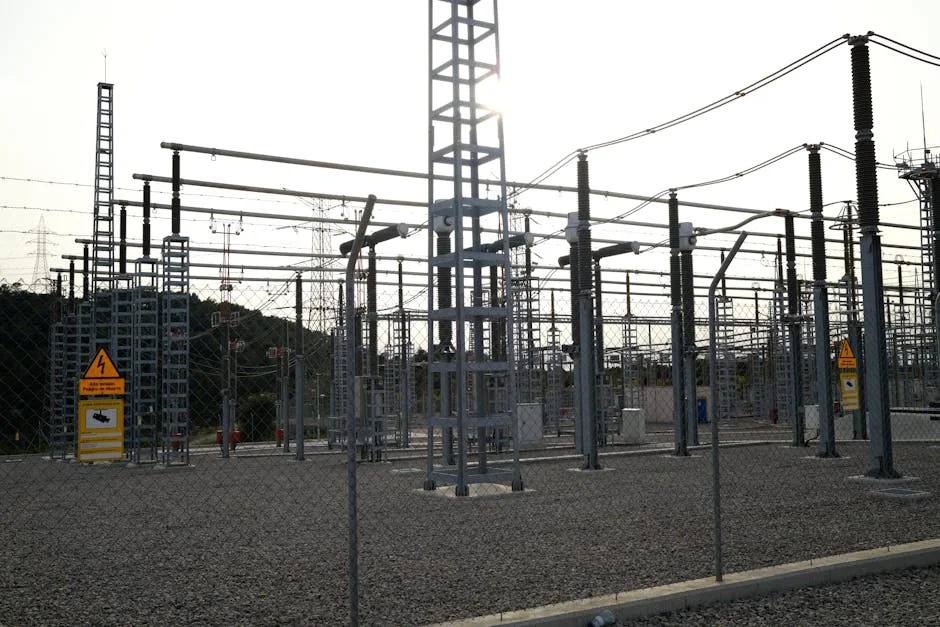
NEMSA, as the regulatory arm for electricity management, has the authority to enforce compliance with the Electricity Act of 2009. This legal framework empowers the agency to inspect, certify, and penalize non-conforming installations. NDPHC, on the other hand, focuses on the operational efficiency of the power grid in its service area. Their combined efforts target both the regulatory and operational sides of the power value chain.
The Niger Delta region faces unique challenges, including saltwater corrosion and erratic power supply. These environmental factors accelerate the degradation of electrical components if not properly maintained. By enforcing stricter standards, the agencies hope to extend the lifespan of grid assets and reduce the frequency of breakdowns. This approach aligns with broader continental goals for sustainable infrastructure development.
Regulatory Enforcement and Compliance Mechanisms
NEMSA’s enforcement strategy involves rigorous inspections of residential, commercial, and industrial premises. Inspectors are tasked with identifying common faults such as loose connections, inadequate earthing, and the use of non-standard cables. Non-compliant entities face penalties, including disconnection and fines, to encourage adherence to quality standards. This strict approach is designed to create a deterrent effect across the consumer base.
Key Inspection Criteria
The agencies have outlined specific criteria for evaluating electrical installations. These criteria ensure that all components meet the necessary technical specifications for safety and efficiency. The focus is on preventing common causes of power failures and fire hazards. Compliance with these standards is mandatory for all consumers within the NDPHC service area.
- Verification of cable sizing relative to load capacity
- Assessment of earthing and lightning protection systems
- Inspection of metering equipment for accuracy and tampering
- Evaluation of circuit breaker functionality and rating
These technical checks are crucial for maintaining grid stability. Overloaded circuits, for instance, can cause transformers to burn out, leading to widespread outages. By ensuring that each installation is appropriately sized and protected, the agencies aim to reduce the strain on the distribution network. This proactive measure is more cost-effective than reactive repairs.
Economic Implications for Power Distribution
Technical and commercial losses are significant drains on the financial health of distribution companies (DisCos). Substandard installations contribute to these losses through theft, inaccurate metering, and transformer failures. By plugging these leaks, NDPHC can improve its revenue collection and reinvest in grid upgrades. This financial stability is essential for attracting further investment in the power sector.
The economic benefits extend beyond the utility companies. Reliable power supply boosts productivity for businesses and improves the quality of life for households. Industries in the Niger Delta, such as oil and gas processing and manufacturing, depend on consistent electricity to maintain output. Reducing outages can lead to increased economic activity and job creation in the region.
From a pan-African perspective, this initiative reflects a growing emphasis on operational efficiency in infrastructure projects. Many African nations have invested heavily in generation capacity, but distribution networks often lag behind. Addressing these distribution bottlenecks is critical for maximizing the return on investment in power generation. Nigeria’s approach offers a model for other countries facing similar challenges.
Consumer Awareness and Engagement
For the crackdown to be effective, consumers must be educated about the importance of quality installations. NEMSA and NDPHC have launched awareness campaigns to inform the public about the new standards and enforcement measures. These campaigns highlight the safety risks and cost implications of using substandard electrical components. Engaging consumers is key to building a culture of compliance and accountability.
The agencies are also working with licensed electricians and contractors to ensure that installations are done right the first time. Training programs and certification processes are being strengthened to raise the skill level of professionals in the field. This focus on human capital development is essential for sustaining the quality improvements over the long term.
Consumer feedback mechanisms have been introduced to monitor the effectiveness of the crackdown. Residents can report issues such as frequent tripping, voltage fluctuations, and billing discrepancies. This data helps the agencies identify problem areas and target their inspection efforts more efficiently. Transparent communication with consumers builds trust and encourages cooperation.
Aligning with African Development Goals
The initiative supports the African Union’s Agenda 2063, which emphasizes energy access as a driver of economic transformation. Goal 9 of the Agenda calls for the development of reliable and sustainable energy infrastructure. By improving the quality of electrical installations, Nigeria is making progress toward this continental objective. This progress also contributes to the Sustainable Development Goal 7, which aims for affordable and clean energy for all.
Infrastructure quality is a critical factor in determining the competitiveness of African economies. Poor power supply increases the cost of doing business and deters foreign direct investment. By addressing the root causes of power instability, Nigeria is enhancing its investment climate. This aligns with the broader pan-African strategy of leveraging infrastructure to boost regional integration and trade.
The collaboration between NEMSA and NDPHC also demonstrates the value of public-private partnerships in infrastructure management. Such partnerships can pool resources and expertise to tackle complex challenges. This model can be replicated in other sectors, such as transportation and water supply, to accelerate development across the continent.
Challenges and Implementation Hurdles
Despite the promising framework, the implementation of the crackdown faces several challenges. One major hurdle is the sheer scale of the consumer base in the Niger Delta. Inspecting thousands of premises requires significant manpower and logistical support. The agencies must ensure that their inspection teams are well-equipped and efficiently deployed to cover the vast service area.
Resistance from consumers and contractors is another potential obstacle. Some may view the new standards as an additional cost burden or a bureaucratic hurdle. Educating stakeholders about the long-term benefits of quality installations is crucial for gaining their buy-in. Transparency in the penalty and certification processes will help mitigate perceptions of arbitrariness.
Corruption and political interference can also undermine enforcement efforts. Ensuring that inspections are conducted objectively and that penalties are applied consistently is vital for the credibility of the initiative. Strengthening institutional capacity and fostering a culture of accountability within the agencies will help safeguard the process.
Future Outlook and Next Steps
The success of this initiative will depend on sustained commitment and continuous monitoring. NEMSA and NDPHC plan to conduct regular audits and publish performance reports to track progress. These reports will provide valuable data for refining strategies and identifying areas for improvement. Stakeholders should watch for the release of the first quarterly performance review, which will offer insights into the initial impact of the crackdown.
Looking ahead, the agencies may expand the scope of the initiative to include renewable energy integrations. As more households and businesses adopt solar power, the grid must be adapted to handle bidirectional power flows. Ensuring that these new installations meet quality standards will be essential for maintaining grid stability. This forward-looking approach positions Nigeria to lead in the transition to a more resilient and diversified power system.
See Also
- PM Modi Warns Bengal Over Tukde Tukde Gang Allegiances
- Senegal PM Ousmane Sonko Advocates Stricter Penalties for Same-Sex Relations