NATO allies are scrambling to secure American military commitment as Donald Trump demands higher financial contributions from European partners. This strategic shift in transatlantic relations sends immediate shockwaves through global markets and emerging economies. Nigeria and other African nations must now recalibrate their diplomatic and economic strategies in response to this new reality. The uncertainty surrounding US troop levels in Europe creates a ripple effect that extends far beyond the Atlantic.
Trump Demands Fiscal Discipline from NATO
Donald Trump has intensified pressure on European nations to increase their defense spending. He argues that current contributions are insufficient given the evolving geopolitical landscape. This demand is not merely rhetorical but involves concrete threats regarding troop deployments. The US President views the alliance as a transactional arrangement requiring immediate returns.
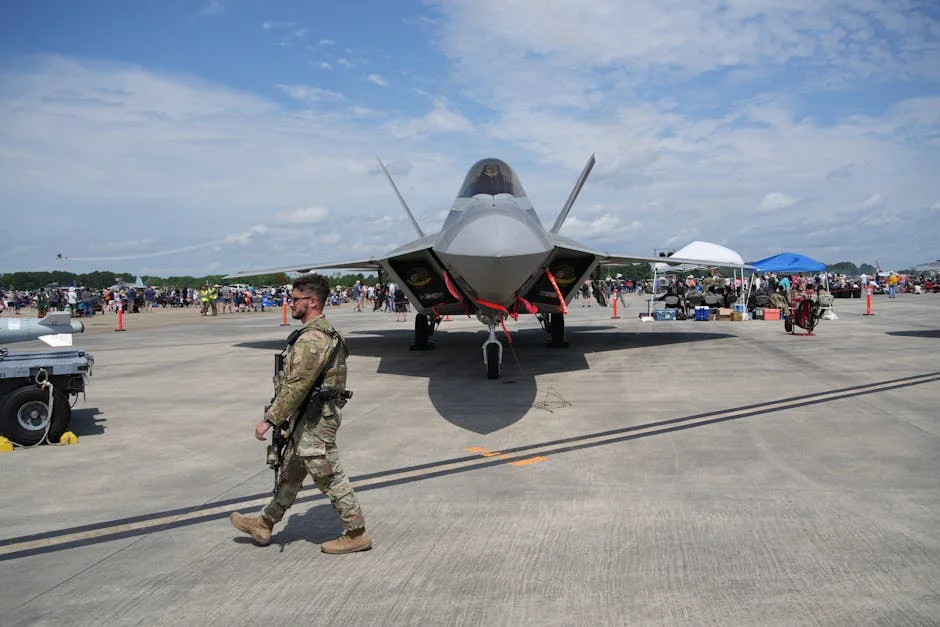
Germany faces the brunt of this pressure due to its central role in European security. Berlin hosts a significant number of US forces compared to other member states. The German government is now engaged in urgent negotiations to prevent a substantial reduction in American presence. These talks are critical for maintaining stability in Central Europe.
The financial implications for European budgets are becoming increasingly visible. Nations must choose between social spending and military modernization. This choice impacts domestic political stability and economic growth rates. Voters in several countries are beginning to question the cost of NATO membership.
Strategic Realignment in Central Europe
The potential withdrawal of US troops from Germany creates a power vacuum. Other European powers are moving quickly to fill this strategic gap. France and Poland are expanding their military capabilities to secure regional influence. This realignment changes the balance of power on the continent.
Germany is investing heavily in its armed forces to compensate for the US shift. The Bundeswehr is accelerating procurement plans for new equipment. This modernization effort requires significant capital expenditure from the federal budget. The long-term impact on the German economy remains a subject of intense debate.
Impact on Regional Security Architecture
The reduction of US forces affects the collective defense mechanism of NATO. Command structures in Europe are undergoing rapid transformation. Logistics hubs in Germany may see reduced activity or complete relocation. This disruption affects local economies dependent on military spending.
Neighboring countries are adjusting their defense strategies accordingly. Sweden and Finland are integrating more closely with Western military frameworks. This integration strengthens the northern flank of the alliance. It also creates new opportunities for defense contractors in these regions.
Economic Consequences for Global Markets
The uncertainty surrounding NATO funding impacts global investor confidence. Markets react swiftly to changes in geopolitical risk assessments. Currency fluctuations in the Euro and Dollar reflect these anxieties. Emerging markets feel the pressure through capital flight and rising interest rates.
Trade agreements between Europe and the US face renewed scrutiny. Tariffs and non-tariff barriers may increase as political tensions rise. This protectionist trend threatens the stability of global supply chains. Manufacturers in Asia and Africa must adapt to these shifting trade dynamics.
The cost of energy in Europe is also influenced by these strategic shifts. Security guarantees affect investment in energy infrastructure projects. Gas pipelines and renewable energy initiatives may face delays. These delays contribute to higher energy prices for consumers and industries.
Implications for African Development Goals
Changes in US-European relations directly affect African development strategies. The African Continental Free Trade Area relies on stable external markets. Disruptions in European demand impact African export revenues. Nations like Nigeria must diversify their trade partners to mitigate these risks.
Investment flows into Africa may shift as European capital seeks new homes. Some investors may view Africa as a safer haven from European uncertainty. This influx of capital can boost infrastructure and technology sectors. However, it also increases competition for foreign direct investment.
Diplomatic relations between Africa and the US may need recalibration. With Europe preoccupied, the US may focus more on African partnerships. This shift offers opportunities for deeper economic integration. African leaders must leverage this moment to secure favorable trade deals.
Nigeria’s Strategic Response to Global Shifts
Nigeria must adapt its foreign policy to address these global changes. The country needs to strengthen ties with both Europe and the US. Diversifying diplomatic relationships reduces dependency on single partners. This strategy enhances Nigeria’s bargaining power in international negotiations.
Domestic economic reforms are crucial to attract resilient foreign investment. Improving infrastructure and governance creates a stable business environment. Investors seek predictability amidst global geopolitical turbulence. Nigeria’s ability to deliver on these fronts will determine its economic trajectory.
The energy sector requires particular attention in this new context. European demand for Nigerian oil and gas may fluctuate. Developing local refining capacity reduces vulnerability to external shocks. This move also creates jobs and boosts industrial growth in Nigeria.
Future Outlook and Key Developments
The next six months will be critical for NATO negotiations. Decisions made now will shape the alliance for years. European leaders must present a unified front to Trump. Failure to do so could lead to fragmented defense policies.
African nations should monitor these developments closely. Proactive engagement with both US and European partners is essential. Building strategic reserves of key commodities can buffer against market volatility. This preparation ensures greater economic stability in uncertain times.
Watch for upcoming statements from the US State Department. These communications will clarify the timeline for troop adjustments. European fiscal announcements will also reveal the financial commitment to NATO. These indicators will guide investment and policy decisions across the continent.
See Also
- Canadiens Clinch 8th Win as Devils Fall in Shootout
- Johnny Somali's Appeal Fails as Detention Continues in South Korea
Future Outlook and Key Developments The next six months will be critical for NATO negotiations. Emerging markets feel the pressure through capital flight and rising interest rates.