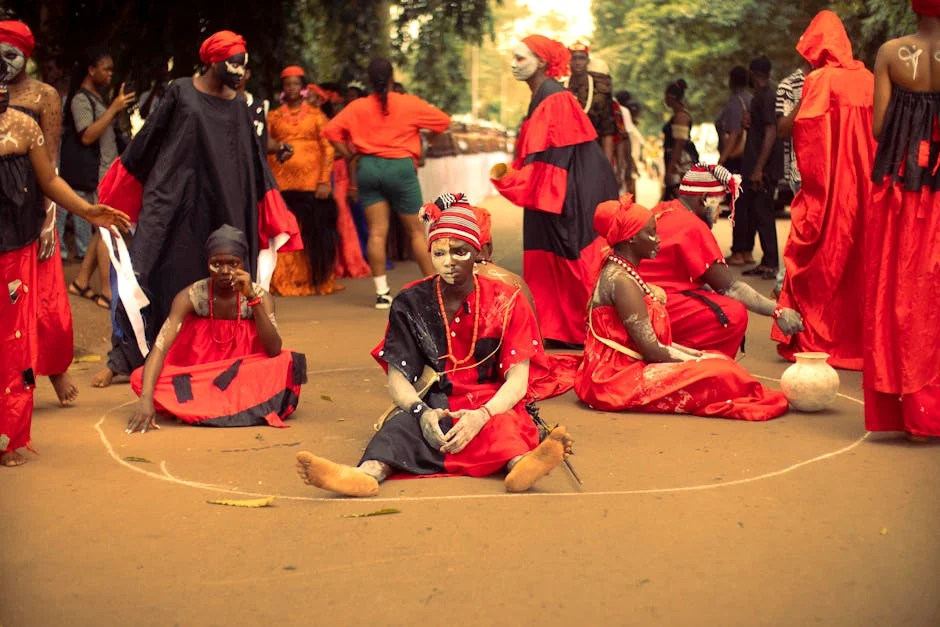
Botswana has begun the final tributes for Festus Mogae, the architect of the nation’s modern economic miracle, as his body lies in state in the capital city of Gaborone. The former president, who steered the country through decades of stable growth and democratic consolidation, passed away at the age of 73, marking the end of an era for Southern Africa’s most successful development story.
The lying-in-state ceremony at the Gaborone International Convention Centre draws leaders from across the continent, highlighting Mogae’s influence that extended far beyond the borders of the Kalahari. For Nigeria and other emerging African economies, Mogae’s career offers a critical case study in how prudent governance can transform resource wealth into lasting national prosperity.
The Economic Architect of Modern Botswana
Festus Mogae served as the President of Botswana from 1998 to 2004, but his impact on the nation’s economy began earlier when he led the Botswana Directorate of Economic Planning. Under his guidance, the country transitioned from being one of the poorest nations in the world in 1966 to a middle-income economy by the early 2000s.
His administration prioritized macroeconomic stability, keeping inflation low and managing the national budget with remarkable discipline. This approach allowed Botswana to avoid the debt traps that have plagued many other African nations during the same period. The government invested heavily in infrastructure, education, and health, creating a solid foundation for long-term growth that continues to benefit citizens today.
Mogae’s economic policies were not without challenges, but his commitment to transparency and accountability set a benchmark for the region. He understood that diamond revenues were finite and pushed for diversification into sectors such as tourism, financial services, and agriculture. This strategic vision helped Botswana build resilience against global market fluctuations.
A Model for African Governance
The political legacy of Festus Mogae is deeply intertwined with the stability of the Botswana Democratic Party (BDP) and the broader democratic framework of the country. He maintained strong relationships with regional leaders and international partners, positioning Botswana as a reliable actor on the African continent. His diplomatic skills were evident in his role as the Chairman of the African Union Commission from 2012 to 2017.
During his tenure at the African Union, Mogae focused on continental integration and the creation of the African Continental Free Trade Area (AfCFTA). He argued that economic unity was essential for Africa to compete globally and to leverage its collective bargaining power. These efforts laid the groundwork for the trade agreements that are now reshaping intra-African commerce.
Diplomatic Influence and Regional Stability
Mogae’s influence extended to conflict resolution within Southern Africa, particularly in countries like Zimbabwe and Namibia. He used his personal relationships with key leaders to mediate disputes and promote peaceful transitions of power. This diplomatic approach helped to stabilize the region and created a more favorable environment for investment and trade.
His work with the Southern African Development Community (SADC) further cemented his reputation as a unifying figure. He advocated for stronger regional institutions that could address common challenges such as infrastructure deficits and energy security. These initiatives have had a lasting impact on how African nations collaborate on development projects.
Health and Education as Pillars of Growth
One of Mogae’s most significant contributions was his focus on human capital development. He recognized that without a healthy and educated workforce, economic growth would remain fragile. His government increased spending on healthcare, particularly in the fight against HIV/AIDS, which had devastated the population in the late 1990s.
Botswana became a pioneer in the African response to the HIV epidemic, implementing aggressive testing and treatment programs that reduced the infection rate significantly. This public health success story has been studied by health ministries across the continent, including in Nigeria, where the disease remains a major challenge. The lessons learned in Gaborone have informed national health strategies in many African countries.
In education, Mogae expanded access to primary and secondary schooling, and invested in technical and vocational training. He believed that education was the key to unlocking the potential of the young population. These investments have resulted in a more skilled workforce that can adapt to the changing demands of the global economy.
Implications for Nigeria and the Continent
The passing of Festus Mogae prompts a reflection on what other African nations can learn from the Botswana model. Nigeria, as the continent’s largest economy, faces similar challenges in terms of resource management and diversification. The oil-dependent economy has struggled with volatility, much like the diamond-dependent Botswana of the 1970s.
Nigerian policymakers can draw valuable lessons from Mogae’s approach to fiscal discipline and strategic investment. The Botswana experience shows that resource wealth does not guarantee prosperity unless it is managed with foresight and transparency. The creation of the Botswana Investment and Development Group (BIDG) is an example of how targeted investment can drive growth in key sectors.
Furthermore, Mogae’s emphasis on good governance and institutional strength is relevant for Nigeria’s ongoing political and economic reforms. The need for robust institutions that can deliver services efficiently and accountably is a universal challenge for African development. Learning from the successes and failures of peers like Botswana can help Nigeria navigate its own path to middle-income status.
Continental Challenges and Opportunities
The African continent stands at a crossroads, with immense potential for growth but also significant hurdles. Issues such as infrastructure deficits, energy insecurity, and political instability continue to hamper development. Mogae’s career demonstrates that these challenges can be overcome with consistent policy implementation and regional cooperation.
The African Union’s Agenda 2063, which Mogae helped to shape, outlines a vision for an integrated, prosperous, and peaceful Africa. Achieving this vision requires the kind of leadership and strategic thinking that Mogae exemplified. It demands that African leaders prioritize long-term development goals over short-term political gains.
Opportunities abound in the digital economy, renewable energy, and agricultural modernization. These sectors offer pathways to diversification and job creation, which are critical for the continent’s large youth population. The success of these initiatives will depend on the ability of governments to create enabling environments for private sector investment.
What to Watch Next
As Botswana completes the funeral rites for Festus Mogae, attention will turn to how his successors will maintain the momentum of development. The upcoming general elections in Botswana will be a test of the country’s democratic resilience and economic continuity. Observers will be watching to see if the BDP can retain its hold on power and continue to implement pro-growth policies.
On the continental level, the implementation of the African Continental Free Trade Area will be a key indicator of progress. The success of the AfCFTA will depend on the ability of member states to harmonize tariffs and improve infrastructure connectivity. The lessons from Mogae’s diplomatic work will be crucial in driving this agenda forward.
For Nigeria and other African nations, the legacy of Festus Mogae serves as a reminder that development is a marathon, not a sprint. It requires patience, discipline, and a clear vision. As the continent moves towards its 2063 goals, the insights gained from the Botswana experience will remain relevant and influential. The coming months will reveal how well African leaders can translate these lessons into actionable policies that improve the lives of millions.
See Also
- Tinubu's Aide Slams Nasboi Over Terrorist Video — 'Stop Spreading Fear'
- Claudia Sheinbaum Faces Dilemma: Defy U.S. Pressure or Arrest Ally — What’s Next for Mexico?
What is the latest news about botswana bids farewell to mogae a panafrican development legacy?
Why does this matter for politics-governance?
What are the key facts about botswana bids farewell to mogae a panafrican development legacy?