Kenya faces a severe financial blow after British firm BAE Systems initiated a £120 million lawsuit. The legal battle centres on the abrupt termination of support for critical aid aircraft. This development threatens vital humanitarian operations across East Africa. The dispute highlights the fragility of infrastructure funding in the region.
Financial Shockwaves in Nairobi
The lawsuit reveals deep cracks in Kenya's aviation maintenance strategy. BAE Systems claims Kenya failed to honour payment terms for the support contract. This financial strain comes at a precarious time for the Nairobi economy. The Kenyan government must now allocate scarce resources to settle the debt. Such expenditures divert funds from other critical development projects.
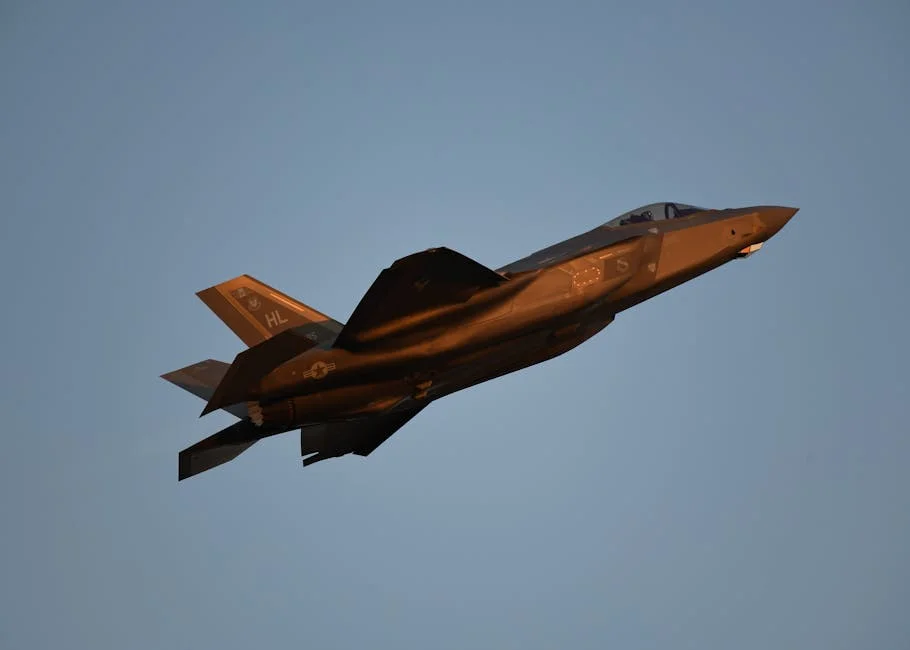
This situation mirrors challenges seen across the continent. Many African nations struggle with the long-term costs of imported technology. The reliance on foreign contractors often leads to hidden costs. Kenya's experience serves as a cautionary tale for other developing economies. It underscores the need for robust financial planning in public procurement.
Humanitarian Impact on Somalia
The aircraft in question were vital for aid delivery in Somalia. Conflict and climate change have made logistics difficult in the Horn of Africa. The potential grounding of these planes could slow down food distribution. Local populations in Mogadishu and beyond rely on these aerial supply lines. Any disruption risks exacerbating the hunger crisis in the region.
Operational Challenges in the Horn
Somalia's infrastructure remains heavily dependent on air transport. Road networks are often compromised by security issues. The BAE lawsuit adds another layer of uncertainty to these operations. Aid agencies must now consider alternative, often more expensive, transport methods. This increases the overall cost of delivering essential goods to remote areas.
The timing of the lawsuit is particularly unfortunate for Somalia. The country is still recovering from recent floods and droughts. Humanitarian organizations need reliable equipment to respond quickly. The legal dispute with BAE Systems threatens this reliability. It forces a re-evaluation of how aid is delivered in unstable regions.
Broader Continental Development Issues
This case illustrates a common challenge in African development. Nations often acquire advanced technology without securing long-term funding. The initial purchase price is only part of the financial commitment. Maintenance and support contracts can become burdensome over time. This pattern is visible in sectors beyond aviation, including healthcare and education.
Kenya's struggle has implications for its neighbours, including Nigeria. Both countries are key players in their respective regional blocs. Financial instability in one can create ripple effects across trade routes. It highlights the interconnectedness of African economies. Stronger regional cooperation could help mitigate such individual shocks.
The incident also raises questions about governance and transparency. Effective oversight is crucial when dealing with multinational corporations. Kenya must ensure that future contracts are more resilient. This includes clearer terms regarding payment schedules and performance metrics. Better governance can prevent similar disputes from arising in the future.
Strategic Lessons for African Nations
African countries must rethink their approach to foreign partnerships. Dependency on single suppliers creates vulnerability. Diversifying vendors can spread risk and improve bargaining power. Kenya might consider forming joint ventures with local firms. This could help build domestic expertise and reduce long-term costs.
The lawsuit also emphasizes the importance of local capacity building. Training local engineers and technicians can reduce reliance on expatriates. It creates jobs and retains value within the national economy. This aligns with broader pan-African goals of economic self-sufficiency. Investing in human capital is as crucial as investing in hardware.
Other nations can learn from Kenya's experience. Proactive management of international contracts is essential. Regular audits and performance reviews can identify issues early. This prevents small problems from escalating into major lawsuits. It ensures that public money is used efficiently and effectively.
What to Watch Next
The outcome of the BAE lawsuit will set a precedent. Other African nations with similar contracts will watch closely. The Kenyan parliament may introduce new legislation to protect state assets. This could include stricter clauses on foreign vendor performance. Stakeholders should monitor the judicial proceedings in Nairobi.
Humanitarian agencies are already exploring backup plans. They may lease additional aircraft from regional competitors. This could lead to a shift in the African aviation market. The next six months will be critical for stabilizing aid routes. Observers should track announcements from major aid organizations.
The Kenyan government is expected to announce a financial settlement plan. This will likely involve a mix of immediate payments and deferred terms. The details of this plan will impact the national budget significantly. Citizens and investors will be looking for clarity on fiscal stability. The coming fiscal year will test the resilience of Kenya's economic policies.