Beijing has abruptly restricted drone sales in its capital, signaling a tightening grip on urban airspace that ripples far beyond China’s borders. This move by the Chinese government affects global supply chains and offers critical lessons for African nations seeking to integrate unmanned aerial vehicles into their development strategies.
For African economies, particularly Nigeria, this development is not merely a logistical detail but a strategic indicator. As China dominates the global drone market, any policy shift in Beijing directly influences the cost, availability, and regulatory framework of drone technology across the continent. Understanding this dynamic is essential for policymakers aiming to leverage technology for economic growth.
Regulatory Shifts in Beijing
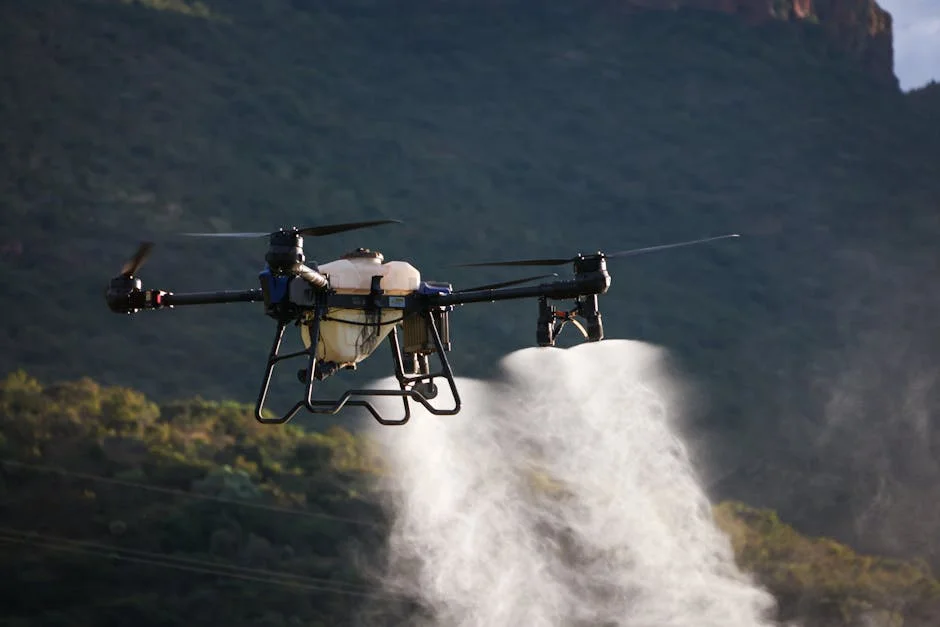
The recent decision in Beijing involves strict new protocols for drone operations and sales within the capital. Authorities have introduced rigorous registration requirements and designated no-fly zones to enhance security and manage air traffic. These measures reflect a broader trend of centralization in China’s approach to smart city infrastructure and aerial surveillance.
Such regulatory tightening often precedes broader national policies. When Beijing adjusts its rules, it frequently sets the standard for the rest of the country, which then influences global manufacturers. Companies like DJI, the world’s leading drone producer based in Shenzhen, must adapt their products and pricing strategies to meet these new standards. This adaptation can lead to initial price fluctuations and supply adjustments that international buyers quickly feel.
Implications for Global Supply Chains
The impact on global supply chains is immediate and tangible. African importers rely heavily on Chinese manufacturers for affordable, high-quality drones used in agriculture, logistics, and real estate. If Beijing’s new rules increase production costs or slow down export approvals, these costs will be passed on to buyers in Lagos, Nairobi, and Accra. This creates a direct link between local policy in China and the cost of doing business in Africa.
Furthermore, the focus on security in Beijing suggests that African nations should anticipate stricter scrutiny on drone imports. Governments may begin to demand higher levels of data security and interoperability standards from Chinese suppliers. This shift could favor larger, more established manufacturers while squeezing out smaller competitors, thereby reducing options for African buyers.
African Development and Drone Technology
African countries are increasingly turning to drone technology to solve persistent development challenges. In agriculture, drones are used for precision spraying and crop monitoring, which can significantly boost yields for smallholder farmers. In healthcare, they transport blood samples and vaccines to remote clinics, reducing the time it takes for critical supplies to reach patients. These applications are vital for achieving the African Union’s Agenda 2063 goals.
However, the effectiveness of these initiatives depends on stable access to technology. If China, the primary supplier, imposes new restrictions, African projects may face delays or budget overruns. For instance, a drone delivery pilot program in Rwanda could see its costs rise if the price of individual units increases due to regulatory compliance in Beijing. This highlights the vulnerability of African tech adoption to external policy shifts.
Investment in drone infrastructure also requires regulatory clarity. African nations need to develop their own airspace management systems that are compatible with global standards. Without clear regulations, the potential of drones to enhance economic productivity remains untapped. This is particularly important for countries like Nigeria, where the drone market is still emerging but holds significant promise for logistics and security.
Nigeria’s Strategic Position
Nigeria stands at a critical juncture in its adoption of drone technology. The country has seen a surge in drone usage for last-mile delivery in Lagos and for agricultural monitoring in the North. However, the regulatory framework remains somewhat fragmented, with multiple agencies vying for control over the airspace. This fragmentation can lead to inefficiencies and higher costs for operators.
The situation in Beijing serves as a cautionary tale for Nigerian policymakers. If China continues to tighten its grip on the drone market, Nigeria may need to diversify its sources of technology. This could involve exploring partnerships with European or American manufacturers, although these options are often more expensive. Alternatively, Nigeria could invest in local assembly and manufacturing to reduce dependency on imported units.
Moreover, the data security concerns raised by Beijing’s new rules are relevant for Nigeria. As drones collect vast amounts of data, questions arise about where this data is stored and who has access to it. For a country with growing digital infrastructure, ensuring data sovereignty is crucial. Nigerian regulators must consider these factors when drafting new aviation and data protection laws.
Economic Growth and Infrastructure
Drone technology has the potential to significantly contribute to Africa’s economic growth. By improving logistics efficiency, reducing agricultural losses, and enhancing infrastructure monitoring, drones can drive productivity across multiple sectors. This aligns with the broader goal of structural transformation in African economies, moving beyond reliance on traditional commodities.
Infrastructure development in Africa often faces challenges related to terrain and distance. Drones offer a cost-effective solution for surveying land, inspecting power lines, and monitoring construction sites. In countries with vast and diverse landscapes, this technology can accelerate project timelines and reduce costs. However, realizing these benefits requires coordinated investment and regulatory support.
The economic implications extend beyond the direct users of drone technology. The drone industry creates jobs in manufacturing, maintenance, and data analysis. For African nations seeking to create employment for their growing youth population, the drone sector offers a promising avenue. Training programs and vocational schools can prepare workers for these new roles, thereby enhancing human capital.
What to Watch Next
As Beijing implements its new drone regulations, African stakeholders should monitor the initial impact on global prices and supply chains. Early indicators will include changes in export volumes from China and adjustments in pricing by major manufacturers. These signals will help African governments and businesses anticipate potential disruptions and plan accordingly.
Policymakers in Africa should also keep an eye on the evolution of drone regulations in China. If Beijing’s approach proves successful, other major markets may adopt similar standards, creating a de facto global benchmark. African nations that align their regulations with these emerging standards may find it easier to integrate into the global drone economy. Conversely, those that lag behind may face higher compliance costs and reduced market access.
In the coming months, the African Union and regional economic communities are expected to release new guidelines on unmanned aerial vehicles. These guidelines will likely address issues such as airspace integration, data privacy, and safety standards. Stakeholders should prepare for these developments by engaging in public consultations and investing in infrastructure. The window of opportunity for early adopters is open, but it requires strategic foresight and proactive policy-making.
Early indicators will include changes in export volumes from China and adjustments in pricing by major manufacturers. Alternatively, Nigeria could invest in local assembly and manufacturing to reduce dependency on imported units.