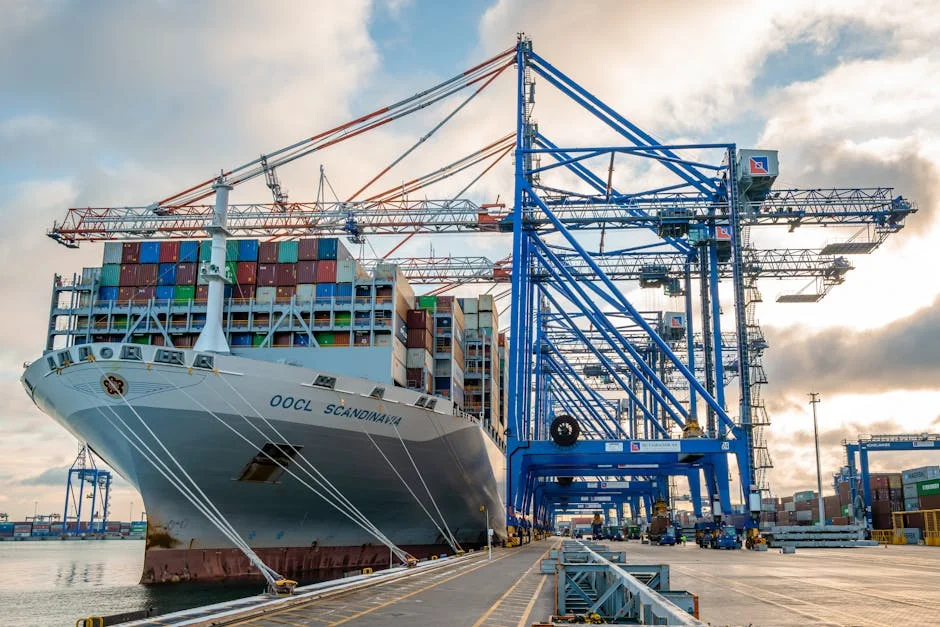
The United States military leadership has issued a stark warning about the potential return of large-scale global conflict, a development that sends ripples through African development strategies. General Teerão’s assessment signals a shift in geopolitical stability, forcing African nations to reconsider their reliance on external security guarantees. This moment demands urgent attention from policymakers in Lagos, Nairobi, and Addis Ababa who are balancing economic growth with emerging security threats.
Geopolitical Shifts Threaten African Stability
The statement from the US general highlights the fragility of the current global order. African leaders have long viewed the United States as a key partner in maintaining regional peace, particularly in the Sahel and the Horn of Africa. When Washington signals uncertainty, it creates immediate anxiety about supply chains and diplomatic leverage. The continent cannot afford to be a secondary player in a resurgent global conflict.

African development goals are deeply intertwined with international stability. The African Union’s Agenda 2063 relies on predictable trade routes and secure borders. If global tensions escalate, the cost of importing essential goods like fuel and fertilizers could surge, directly impacting inflation rates across the continent. This economic vulnerability is a critical challenge that requires immediate strategic planning.
Economic Consequences for African Markets
Financial markets in Africa are already reacting to the news. Investors are looking for safe havens, which often means capital flight from emerging African economies. The Nigerian Naira and the Kenyan Shilling may face increased pressure as global risk aversion rises. Central banks in these nations must be prepared to intervene to stabilize currencies and protect local purchasing power.
The potential for war affects more than just currency values. It impacts the cost of infrastructure projects that are vital for long-term growth. For instance, the construction of the Lagos-Calabar Coastal Highway depends on imported steel and machinery. A spike in global oil prices, a common byproduct of conflict, could delay these critical projects by months or even years. This delay hinders the creation of jobs and the integration of regional markets.
Impact on Key Sectors
The agricultural sector faces particular risks. Many African countries are net importers of wheat and maize. If global supply chains are disrupted by conflict, food security becomes a primary concern. The World Food Programme has already noted that price volatility can push millions into hunger. African governments must review their grain reserves and diversify their import sources to mitigate this risk.
Healthcare systems are also under threat. The supply of vaccines and essential medicines relies on global logistics. A disruption in air and sea freight could lead to shortages of critical drugs in hospitals across the continent. This vulnerability underscores the need for greater local production of medical supplies, a goal that has been slow to materialize despite years of planning.
African Agency in a Changing World
Despite these challenges, Africa has opportunities to assert greater agency. The continent is rich in critical minerals needed for the global energy transition. Countries like the Democratic Republic of Congo and South Africa hold vast reserves of cobalt and platinum. These resources give African nations leverage in negotiations with global powers, including the United States.
African leaders can use this leverage to secure better trade deals and investment. By forming stronger continental unions, such as the African Continental Free Trade Area (AfCFTA), nations can reduce their dependence on external markets. This internal integration can buffer the continent against external shocks and create a more resilient economic bloc. The goal is to make Africa a destination for investment, not just a source of raw materials.
Strategic Responses for African Leaders
Immediate action is required to address these emerging threats. Governments must review their defense budgets and invest in modernizing their armed forces. This is not just about military strength but also about diplomatic influence. A stronger military presence can deter regional conflicts and attract strategic partnerships with global powers.
Education and technology are also key areas for investment. The future of African development depends on a skilled workforce that can adapt to a rapidly changing global economy. Governments should prioritize STEM education and digital infrastructure to prepare their citizens for the jobs of the future. This long-term investment will pay dividends in terms of economic growth and social stability.
Looking Ahead: Critical Dates and Decisions
The coming months will be crucial for African development. The African Union Summit in Addis Ababa will likely feature discussions on security and economic resilience. Leaders must use this platform to present a unified front and negotiate better terms with global partners. Investors and citizens should watch for announcements on new trade agreements and defense partnerships that could shape the continent’s future.
See Also
- Hugo Soares Slams Tribunal's Erroneous Precedent on Spinumviva Case
- Economist Reveals Sustained Cost of Living Pressure on Households — 2024 Data Sparks Outcry
A disruption in air and sea freight could lead to shortages of critical drugs in hospitals across the continent. The continent is rich in critical minerals needed for the global energy transition.