Nigeria’s Ministry of Environment has announced a new initiative to align national development plans with global climate goals, as the nation prepares for World Earth Day 2026. The move comes amid rising pressure to address environmental degradation and energy insecurity, with the federal government pledging to expand renewable energy projects and improve waste management systems across major cities. The plan, unveiled in Lagos, aims to reduce carbon emissions by 30% by 2030, a target set by the International Network (IN), a pan-African climate advocacy group.
Earth Day 2026: A New Climate Agenda
The theme for World Earth Day 2026, “Green Growth for a Sustainable Future,” reflects a growing emphasis on balancing economic development with environmental protection. This aligns with the African Union’s Agenda 2063, which prioritises sustainable resource management and green infrastructure. Nigeria, as the continent’s largest economy, plays a pivotal role in shaping regional environmental policies. The Ministry of Environment, led by Dr. Amina Abubakar, has called for increased investment in solar and wind energy, citing a 40% rise in energy demand over the past decade.
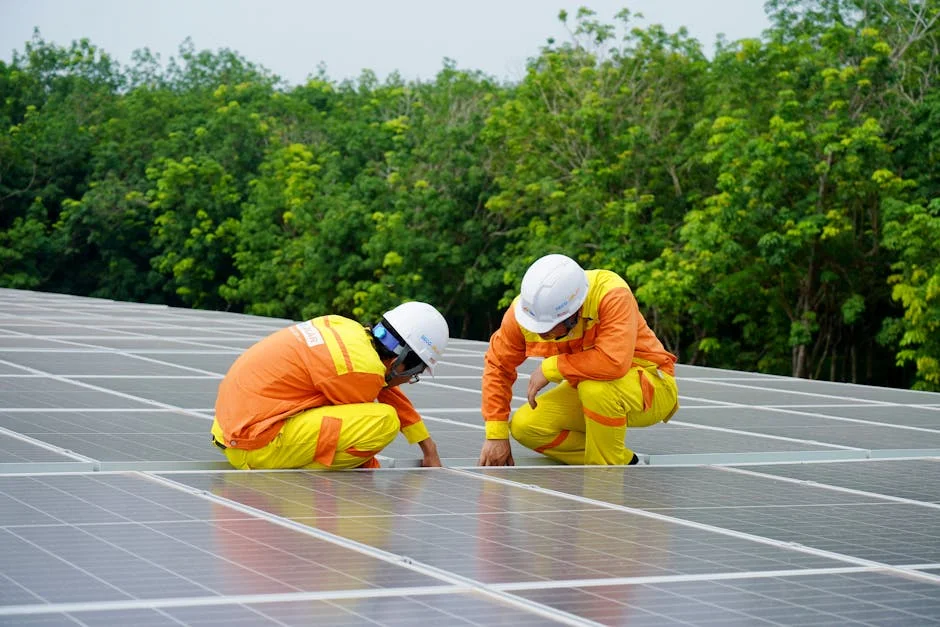
The initiative includes a pilot project in Kano, where solar-powered streetlights and waste-to-energy plants will be installed by mid-2025. This follows a 2024 report by the United Nations Development Programme (UNDP) that found only 55% of Nigerians have access to reliable electricity, with rural areas disproportionately affected. The government has also partnered with IN to launch a public awareness campaign, targeting 10 million citizens through community workshops and digital outreach.
Challenges and Opportunities
Despite the momentum, Nigeria faces significant hurdles in implementing its climate agenda. The country’s reliance on oil revenues has historically hindered investment in renewable energy. In 2023, fossil fuels accounted for 90% of the nation’s energy mix, according to the International Energy Agency (IEA). Experts warn that without policy reforms, the transition to green energy could stall. “We need to move beyond rhetoric and create a legal framework that incentivises private sector participation,” said Dr. Chidi Nwosu, a climate economist at the University of Ibadan.
However, the push for sustainability also presents economic opportunities. The World Bank estimates that every dollar invested in renewable energy generates three times more jobs than fossil fuel projects. In Lagos, a new green technology hub is set to open in 2025, offering training and funding for local startups focused on clean energy solutions. This aligns with the African Development Bank’s (AfDB) goal to mobilise $10 billion for climate-smart projects across the continent by 2030.
The Role of International Networks
The International Network (IN), a coalition of African environmental organisations, has been instrumental in pushing for stronger climate action. In a recent statement, IN’s director, Fatima Alhaji, said, “Nigeria’s commitment to Earth Day 2026 shows a shift in leadership. But we need to ensure that these promises translate into tangible policies.” The group has also called for greater transparency in how climate funds are allocated, citing past mismanagement of international grants.
IN’s advocacy has influenced the Nigerian government’s decision to join the African Renewable Energy Initiative (AREI), which aims to install 300 gigawatts of clean energy capacity across the continent by 2030. This move is expected to boost regional cooperation and attract foreign investment. However, critics argue that without strong governance, the benefits may not reach the most vulnerable communities.
Local Impact and Community Engagement
Community involvement is a cornerstone of Nigeria’s Earth Day 2026 strategy. In Abuja, a new tree-planting initiative has already seen over 50,000 saplings distributed to residents. Local leaders, including the mayor of Abuja, Musa Abubakar, have praised the effort as a step toward restoring degraded lands. “We are not just planting trees; we are planting hope,” he said in a recent address.
In rural areas, the government is working with grassroots organisations to promote sustainable farming practices. A pilot project in Kaduna State has trained 2,000 farmers in agroforestry and water conservation techniques. These efforts are part of a broader push to reduce deforestation and improve food security, which remains a major challenge in the region.
Looking Ahead: The Road to 2026
As Earth Day 2026 approaches, the focus remains on accountability and action. The Nigerian government has pledged to release a progress report by the end of 2025, detailing how funds are being used and what targets have been met. Meanwhile, international partners are monitoring the initiative closely, with the AfDB set to review Nigeria’s climate strategy in early 2025.
For African development, the success of Earth Day 2026 in Nigeria could serve as a model for other nations. If the government can balance growth with sustainability, it may unlock new pathways for economic resilience and environmental justice. What to watch next: the finalisation of the 2025 climate budget and the launch of the first green technology hub in Lagos.
See Also
- Singh Slams Dhami's 2027 'Six' as India's Defence Strategy Shifts
- Chad Shuts Borders with Sudan Amidst Escalating Conflict: Implications for Africa
However, critics argue that without strong governance, the benefits may not reach the most vulnerable communities. Local Impact and Community Engagement Community involvement is a cornerstone of Nigeria’s Earth Day 2026 strategy.