A family in Assam mistakenly buried a man alive after a case of identity mix-up, sparking a legal and emotional crisis. The incident, which unfolded in Dhubri district, has raised concerns about administrative errors and the need for better verification systems in rural areas. The man, identified as Rajesh Kumar, was found alive after being buried for over 12 hours, according to local police reports. His family, who believed he had died in a road accident, was left in shock when he emerged from the grave.
How the Tragedy Unfolded
The mix-up began when a local official mistakenly identified a body at a morgue. The man, who had been admitted to a hospital in Dhubri with severe injuries, was not properly cross-referenced with his family’s records. As a result, the family was informed that he had died in an accident. Without further verification, they proceeded with the burial. It was only after the grave was opened for a second time that the error was discovered.
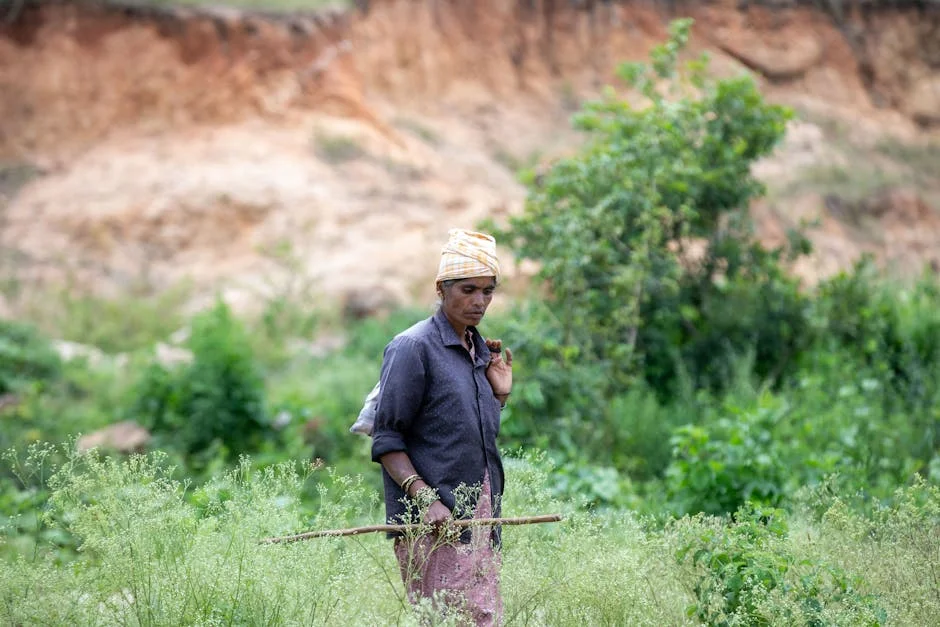
“We were devastated when we received the news,” said Mrs. Priya Devi, the man’s mother. “We didn’t think to double-check because we trusted the authorities. Now we’re facing the worst nightmare.” The incident has led to a police investigation into the negligence of the local health and administrative officials involved.
Implications for Governance and Public Trust
The case highlights the challenges of governance in remote areas of India, where bureaucratic inefficiencies can lead to life-threatening mistakes. In many parts of Africa, similar issues persist, with under-resourced health systems and poor record-keeping contributing to administrative errors. For African development, the incident serves as a reminder of the importance of robust verification processes in public services, particularly in health and civic administration.
Dr. Amina Musa, a public policy expert from Kenya, noted that “such errors are not unique to India. In many African countries, lack of digital infrastructure and weak oversight mechanisms increase the risk of misidentification and administrative failure.” She added that improving transparency and accountability in public institutions is critical to preventing such tragedies.
Impact on Family and Legal Consequences
Rajesh Kumar, now recovering in a hospital, has filed a complaint against the local authorities. He is seeking compensation for the trauma and medical costs incurred. The police have suspended two officials for their role in the mix-up, and the case is under investigation by the state government. A local human rights organisation has also called for a review of the morgue procedures to prevent similar incidents.
“This is not just a personal tragedy but a systemic failure,” said Ravi Mehta, a lawyer representing the family. “The legal system must hold those responsible accountable and implement stricter protocols to avoid such mistakes in the future.”
Broader Lessons for African Development
The case in Assam underscores the importance of investing in public infrastructure and digital record-keeping, areas that are crucial for African development. Many African nations are working to improve their health systems and administrative efficiency, but gaps remain. The incident serves as a cautionary tale about the need for transparency, oversight, and public engagement in governance.
For instance, in Nigeria, where the government is pushing for digital identity systems to improve service delivery, this case highlights the risks of relying on outdated or poorly managed records. As African countries continue to build resilient institutions, the Assam incident offers a stark reminder of the consequences of administrative negligence.
What Comes Next
The family is expected to file a formal legal suit within the next two weeks. Meanwhile, the state government has announced plans to review morgue procedures and improve coordination between hospitals and local authorities. The case has also sparked public debate about the need for stronger oversight in public services. As the legal and administrative processes unfold, the incident will likely serve as a catalyst for reform in both India and across the African continent.
See Also
- 10 US Presidents Surprised Us with Their Unlikely Careers — Discover Their Unique Paths
- Tinubu's Reforms Propel Nigeria's Stock Market to N160 Trillion Milestone
What is the latest news about assam man survives wrongful burial family faces legal fallout?
Why does this matter for economy-business?
What are the key facts about assam man survives wrongful burial family faces legal fallout?