Nigeria’s Ministry of Education has launched a nationwide digital literacy initiative aimed at improving students’ grammar and writing skills, with a focus on integrating tools like Ginger and Grammarly into school curricula. The program, announced in Lagos in early 2023, targets 500,000 students across 15 states, marking a significant step in the country’s push to enhance educational outcomes and align with the African Union’s 2063 development goals.
Integration of Grammar Tools in Schools
The initiative, led by Education Minister Tahir Mamman, involves partnerships with technology firms to provide free access to grammar-checking software in public schools. The goal is to reduce the high rate of grammatical errors in student work and improve overall literacy, a key challenge in Nigeria’s education system. A 2022 report by the National Bureau of Statistics found that only 38% of secondary school students could write a coherent essay, highlighting the urgent need for such interventions.
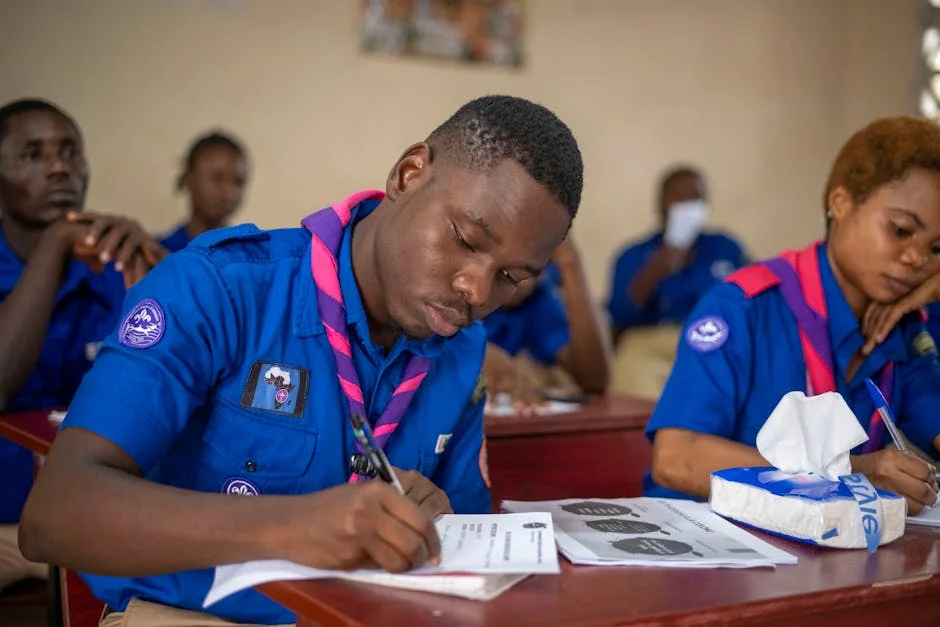
“This is not just about fixing grammar,” Mamman said during the launch. “It’s about equipping our youth with the digital skills they need to compete globally.” The program includes teacher training, with 2,000 educators set to receive certification in using digital tools effectively. Schools in Lagos, Kano, and Abuja are the first to roll out the initiative, with plans to expand nationwide by the end of 2023.
Challenges and Opportunities
Despite the potential benefits, the program faces logistical hurdles. Many schools lack reliable internet access, a critical requirement for using online grammar tools. In rural areas, where 60% of Nigeria’s population resides, connectivity remains a major barrier. The Ministry of Communications has pledged to improve infrastructure, but progress has been slow, with only 25% of schools in the northern states currently connected to the internet.
However, the initiative also presents a unique opportunity to bridge the digital divide. By focusing on grammar and digital literacy, the program aligns with the African Union’s Agenda 2063, which emphasizes education and innovation as pillars of sustainable development. “This is a win-win,” said Dr. Amina Yusuf, a senior education policy analyst at the University of Ibadan. “Improving grammar is not just about language—it’s about critical thinking and communication, which are essential for economic growth.”
Comparing Ginger and Grammarly
The program includes both Ginger and Grammarly, two of the most popular grammar-checking tools. While Grammarly is known for its advanced AI and user-friendly interface, Ginger is often praised for its affordability and ease of use. Schools are encouraged to choose the tool that best suits their needs, with pilot programs already testing both platforms in selected classrooms.
“We’re not picking a winner,” said Education Ministry spokesperson Chidi Okoro. “We’re giving students and teachers the tools they need to succeed.” The decision to include both platforms reflects a broader strategy of flexibility and inclusivity, ensuring that all students, regardless of their socioeconomic background, can benefit from the initiative.
What to Watch Next
The success of the program will depend on several factors, including teacher training, infrastructure development, and student engagement. By the end of 2023, the Ministry plans to release a progress report detailing the impact of the initiative on student performance and literacy rates. A follow-up study in 2024 will assess the long-term effects of the program on graduation rates and university admissions.
For now, the focus remains on implementation. With over 500,000 students set to benefit, the initiative could serve as a model for other African nations looking to modernize their education systems. As Nigeria continues to invest in digital literacy, the question remains: will this program be a turning point for African education, or just another well-intentioned but under-resourced effort?
See Also
- South Africa's Property Market Surges as Interest Rate Decision Looms
- Mumbai Indians Snatch Ex-Bowler in Bumrah Replacement Move