Nigeria’s Ministry of Agriculture and Rural Development has announced a major initiative to position cabbage as a key crop for 2026, aiming to address food security and support smallholder farmers. The move comes amid rising concerns over the country’s reliance on imported vegetables and the need to boost local production. The initiative, led by Minister of Agriculture and Rural Development, Dr. Abubakar Sadiq, will focus on expanding cabbage cultivation in states such as Kaduna, Kano, and Oyo, where the vegetable is already grown but not at scale.
Why Cabbage? A Strategic Choice for Food Security
Cabbage, a hardy and fast-growing vegetable, is well-suited to Nigeria’s climate and can be cultivated in both northern and southern regions. The crop requires minimal water and can thrive in a variety of soil types, making it an ideal choice for small-scale farmers. According to the Food and Agriculture Organization (FAO), Nigeria imported over 150,000 metric tonnes of vegetables in 2024, with cabbage among the top imports. This has placed a strain on foreign exchange reserves and increased consumer prices.
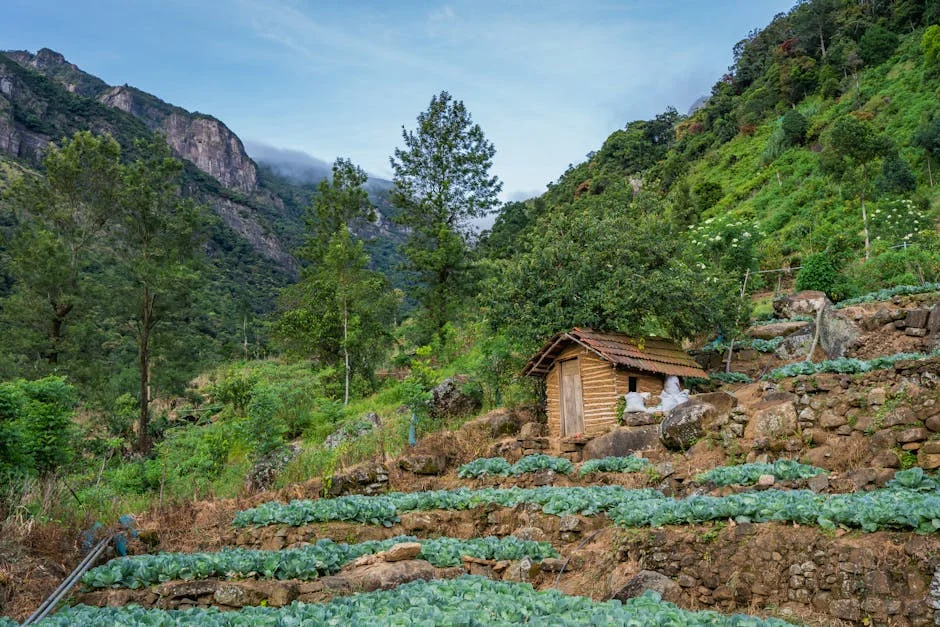
Dr. Sadiq highlighted the strategic importance of cabbage in a recent press briefing. “Cabbage is not just a vegetable; it is a tool for food security, income generation, and nutritional improvement,” he said. The government plans to provide subsidized seeds, training, and access to markets to encourage farmers to switch to or expand cabbage production. The initiative is part of the broader National Agricultural Investment Plan (NAIP), which aims to increase local food production by 30% by 2026.
Challenges and Opportunities in Cabbage Production
Despite the potential, the initiative faces several challenges. Many farmers lack access to quality seeds and modern farming techniques, which can limit yields. Additionally, the lack of cold storage facilities and transportation infrastructure hampers the ability to move cabbage from farms to markets efficiently. In Kaduna State, for example, farmers have reported losses of up to 20% due to spoilage before the produce reaches urban centers.
To address these issues, the government has partnered with the African Development Bank (AfDB) to fund the development of cold storage units and rural roads. The AfDB has pledged $50 million to support the initiative, with a focus on improving post-harvest handling. “Cabbage is a game-changer for rural economies,” said AfDB representative, Amina Diallo. “With the right infrastructure, we can turn smallholder farmers into profitable agribusinesses.”
Impact on African Development Goals
The push for cabbage production aligns with several Sustainable Development Goals (SDGs), particularly SDG 2 (Zero Hunger) and SDG 8 (Decent Work and Economic Growth). By promoting local food production, Nigeria aims to reduce its dependence on imports and create jobs in rural areas. The initiative also supports SDG 12 (Responsible Consumption and Production) by encouraging sustainable agricultural practices.
The focus on cabbage also highlights the potential for African countries to leverage indigenous crops in their development strategies. Unlike many imported crops, cabbage is well-adapted to local conditions and has a long history of cultivation in parts of West Africa. This makes it a more sustainable option in the face of climate change and global supply chain disruptions.
Regional Collaboration and Market Expansion
The initiative could also serve as a model for regional collaboration. Nigeria’s neighbors, such as Ghana and Benin, have expressed interest in adopting similar strategies to boost their own agricultural sectors. The Economic Community of West African States (ECOWAS) has proposed a regional framework to support the exchange of agricultural inputs and the development of common market standards.
However, success will depend on the ability of governments to coordinate efforts and provide long-term support to farmers. In Kano State, a pilot project involving 500 farmers has already seen a 25% increase in cabbage yields, thanks to improved seed varieties and training. This success has sparked optimism that the broader initiative could have a significant impact.
What’s Next for Cabbage in Nigeria?
The next phase of the initiative will focus on scaling up production and improving market access. The government has set a target of increasing cabbage output by 40% by 2026, with a focus on rural areas where food insecurity remains high. Farmers will be encouraged to join cooperatives to strengthen their bargaining power and reduce costs.
By the end of 2025, the Ministry of Agriculture plans to launch a national cabbage festival to raise awareness and promote the crop. The event will also serve as an opportunity to showcase new technologies and best practices in cabbage farming. As Nigeria positions cabbage as a key crop for 2026, the initiative could set a new precedent for how African countries approach food security and agricultural development.
See Also
- Court Hands Down Death Sentences in Rivers State
- Jacob Elordi Teases 'Euphoria' Season 3 With a Curious Clue on Fallon